
Beautiful Plants For Your Interior
Beautiful Plants For Your Interior
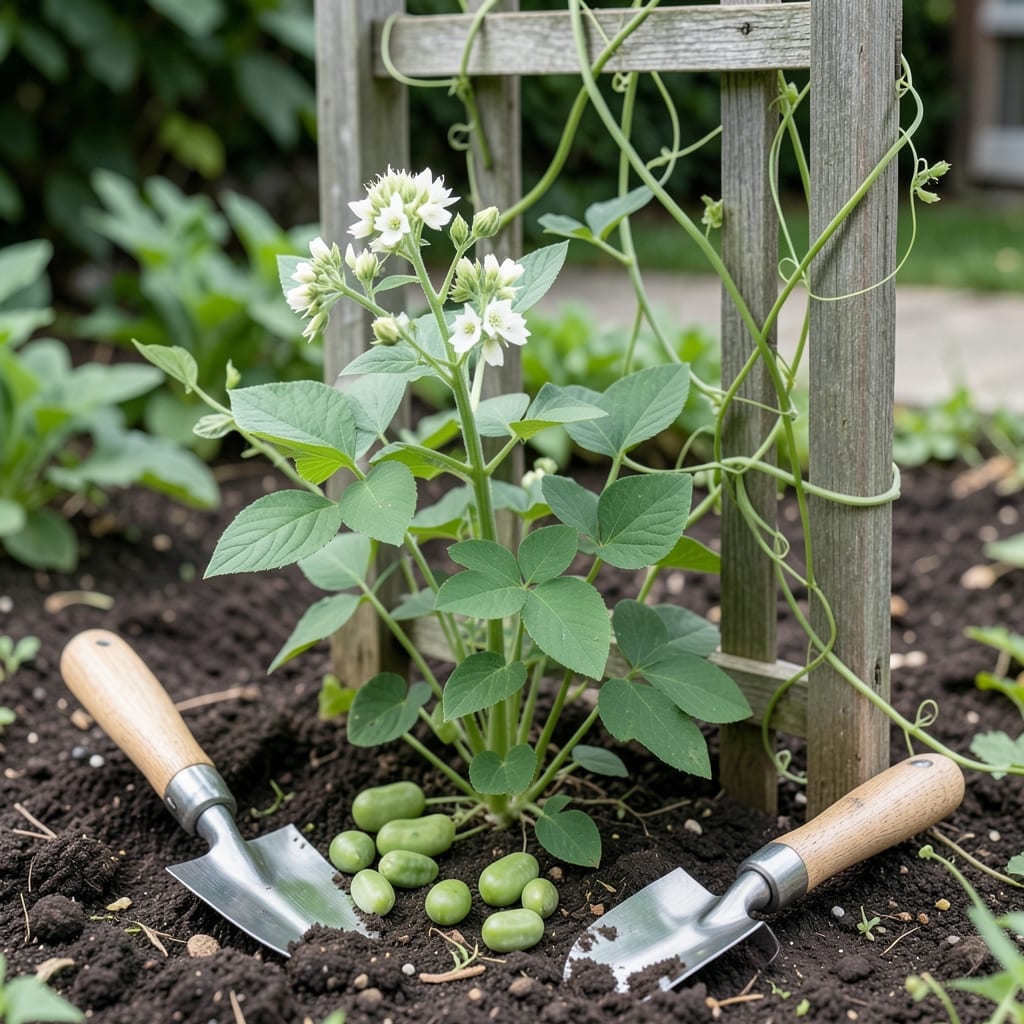
Timing is everything when it comes to planting Pea 🌱 in New Hampshire. Our short growing season means every day counts, and knowing the right windows can make or break your harvest.
In zone 5b, spring planting offers the best chance for success. The soil needs to be workable, and the timing should align with our last frost date in mid-May.
But when exactly should you get those seeds in the ground? I’ll walk you through the most reliable planting windows and what to watch for in our unpredictable NH climate.
Discover how to maximize your Pea yield by planting at the perfect time – your future self will thank you when you’re enjoying fresh peas in summer.
In New Hampshire’s Zone 5b, peas thrive when planted 4-6 weeks before the last frost date, which is typically May 15. This means you can start sowing as early as late March to early April when the soil becomes workable.
Peas are cold-hardy plants that can germinate in soil temperatures as low as 40°F, but they prefer 40-70°F for optimal growth. I always check the soil with my finger—if it’s not muddy and crumbles easily, it’s ready.
| Planting Factor | Specification |
|---|---|
| Best Months | March – April |
| Soil Temperature | 40-70°F |
| Last Frost Date | May 15 |
| Planting Depth | 1-1.5 inches |
| Seed Spacing | 2 inches apart |
For early varieties like ‘Little Marvel’, planting in late March gives you a head start. These mature in about 55-60 days, so you’ll be harvesting by early summer. Late varieties such as ‘Wando’ can be planted in early April for a extended harvest.
I recommend soaking seeds overnight before planting to speed up germination. This is especially helpful in cooler soils where peas might take longer to sprout. Just be sure to plant them immediately after soaking to prevent rot.
Peas need full sun (at least 6 hours daily) and well-draining soil. If your garden has heavy clay, consider amending it with compost or planting in raised beds for better drainage and earlier warming.
In southern NH, where spring arrives a bit earlier, you might start planting in mid-March. In northern regions, wait until early April when the soil has had more time to warm and dry out from winter snow.
Watch the 10-day forecast before planting. If a hard frost (below 28°F) is predicted after germination, you may need to cover young plants with row covers or old bedsheets for protection. 🌱
Remember that peas are light feeders. A light application of balanced fertilizer (5-10-10) at planting is sufficient. Over-fertilizing, especially with nitrogen, can lead to lush foliage but fewer pods.
Finally, keep the soil consistently moist but not waterlogged. Peas have shallow roots, so frequent, light watering is better than occasional deep soaking. Mulching with straw helps retain moisture and keeps roots cool. 🌿
Fall planting peas in New Hampshire is absolutely possible, but timing is critical. You’ll want to sow 6-8 weeks before our first frost, which typically hits around October 1st in most of the state.
This gives your peas enough time to mature before cold weather sets in. The key is choosing fast-maturing varieties like ‘Oregon Sugar Pod’ or ‘Early Perl’ that can produce in 55-60 days.
I’ve found that sugar snap peas often do better in fall than shelling peas because they’re more cold-tolerant and mature faster. Just be prepared to protect them with row covers if we get an early cold snap.
Remember that soil temperature is more important than air temperature for germination. If your soil is too cold, seeds may rot before sprouting. A soil thermometer is a worthwhile investment.
For best results, plant in a sunny location and keep the soil consistently moist. Fall peas often need less water than spring plantings, but don’t let them dry out completely.
While fall planting can extend your pea season, it’s generally more reliable in southern NH where the growing season is slightly longer. Northern gardeners may find spring planting more predictable.
With proper timing and variety selection, you can enjoy a second pea harvest in early fall before winter sets in 🌱