
Beautiful Plants For Your Interior
Beautiful Plants For Your Interior
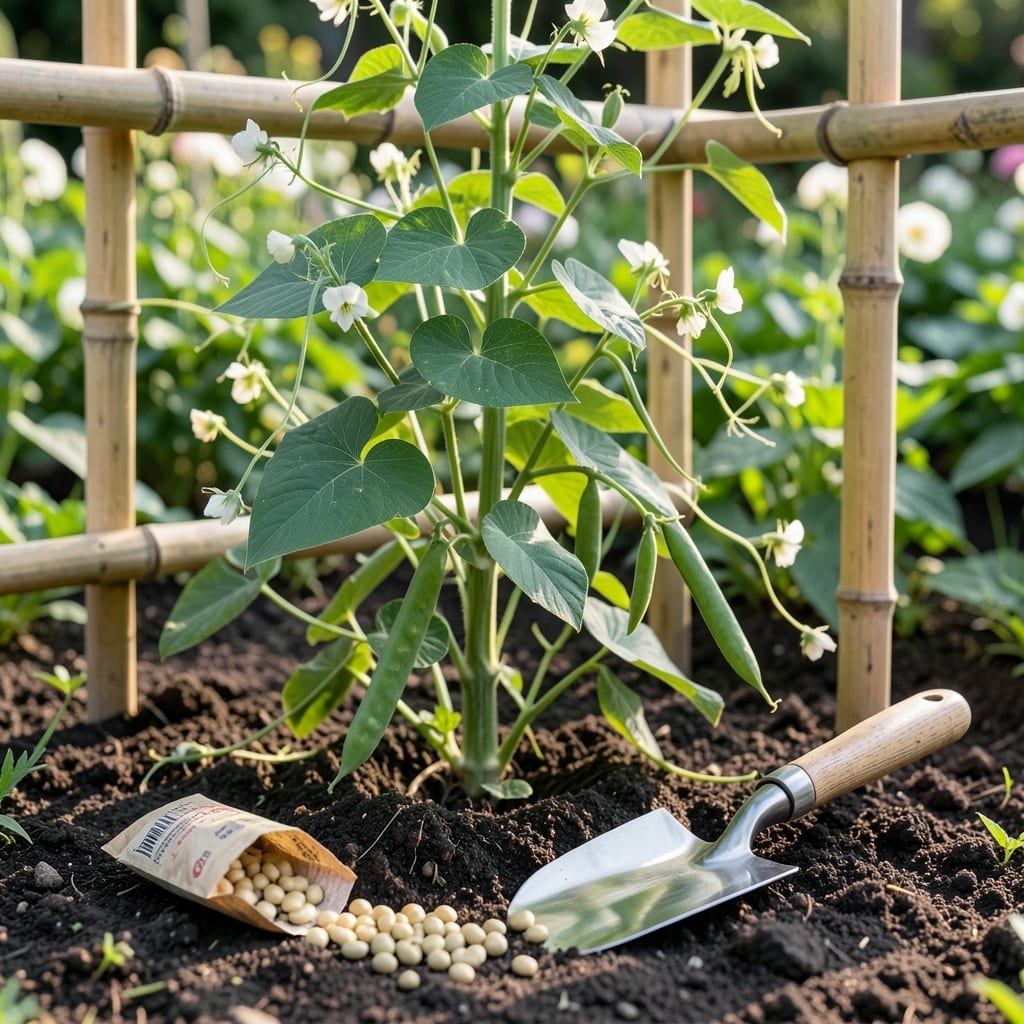
Louisiana’s warm climate means timing is everything when planting 🌱 Pea—get it right, and you’ll enjoy a bountiful harvest before the summer heat sets in.
The state’s unique growing zones (8a-9b) give you a wide window, but waiting too long can ruin your crop. I’ve learned the hard way that missing the sweet spot by even a few weeks makes all the difference.
From September through March, you’ve got the perfect conditions to grow crisp, sweet peas. The key is working with Louisiana’s mild winters, not against them.
Let me show you exactly when to plant for the best results, so you can fill your garden—and your table—with homegrown goodness.
Louisiana’s unique climate offers two ideal windows for planting peas. The fall season is prime, allowing peas to mature before winter frost while avoiding summer heat stress. 🌱
For spring planting, aim for late January to early February in southern zones like New Orleans. In northern areas such as Shreveport, wait until mid-February to early March to avoid cold snaps. 🌿
| Variety | Best Planting Time | Zone Suitability | Harvest Window |
|---|---|---|---|
| Snap Peas | Sept-Oct or Jan-Feb | 8a-9b | 60-70 days |
| Snow Peas | Sept or Feb-March | 7b-9a | 55-65 days |
| Shelling Peas | Oct-Nov or Feb | 8a-9b | 65-75 days |
In Zone 8a (like Baton Rouge), fall planting should start 6-8 weeks before the first frost, typically around November 15. This gives peas time to establish roots before cooler weather slows growth. 🌡️
For Zone 9b (southern Louisiana), October planting works well, as the milder winters allow for extended growth. I’ve found that sugar snap peas thrive in this window, producing sweet, crisp pods by December. ✂️
Spring planting in Louisiana must account for rapid temperature rises. Peas hate heat, so getting them in the ground early is crucial. In Zone 7b, like Monroe, late February is your last safe window for spring crops. ☀️
I always recommend succession planting for a continuous harvest. Sow a new batch of peas every 2-3 weeks during the fall window to enjoy fresh peas from November through May. This works especially well with dwarf varieties like ‘Little Marvel’. 🌱
For snow peas, which are more heat-tolerant than other types, you can push the spring planting into early March in most zones. Just be sure to provide afternoon shade if temperatures climb above 80°F consistently. 🌿
Soil temperature is another critical factor. Peas germinate best in 40-75°F soil. In Louisiana, this means fall planting often has an edge, as spring soil can warm up too quickly. Use a soil thermometer to check conditions. 🌡️
Finally, remember that Louisiana’s humidity can lead to fungal issues. Space your pea plants at least 2 inches apart and ensure good air circulation. I’ve had great success with trellised snap peas, which stay off the ground and dry faster. 💧
Louisiana’s humidity can be a blessing or a curse for peas. I’ve found that proper soil prep is your first line of defense against fungal issues that thrive in moist conditions.
Start by amending your soil with compost and ensuring good drainage. Peas hate soggy roots, so raised beds can be a game-changer in low-lying areas.
Companion planting is another secret weapon. I always interplant my peas with carrots or radishes—they deter pests while sharing space efficiently.
When it comes to watering, morning is best. This gives foliage time to dry before evening humidity sets in, reducing the risk of powdery mildew. Aim for 1 inch weekly, adjusting for rain.
Don’t overlook trellising. Even dwarf varieties benefit from support, which keeps pods off the ground and improves airflow. I use simple bamboo stakes with twine for my snap peas.
Finally, crop rotation prevents soil exhaustion and disease buildup. Never plant peas in the same spot two years in a row. This simple practice has saved me from many headaches. 🌱