
Beautiful Plants For Your Interior
Beautiful Plants For Your Interior
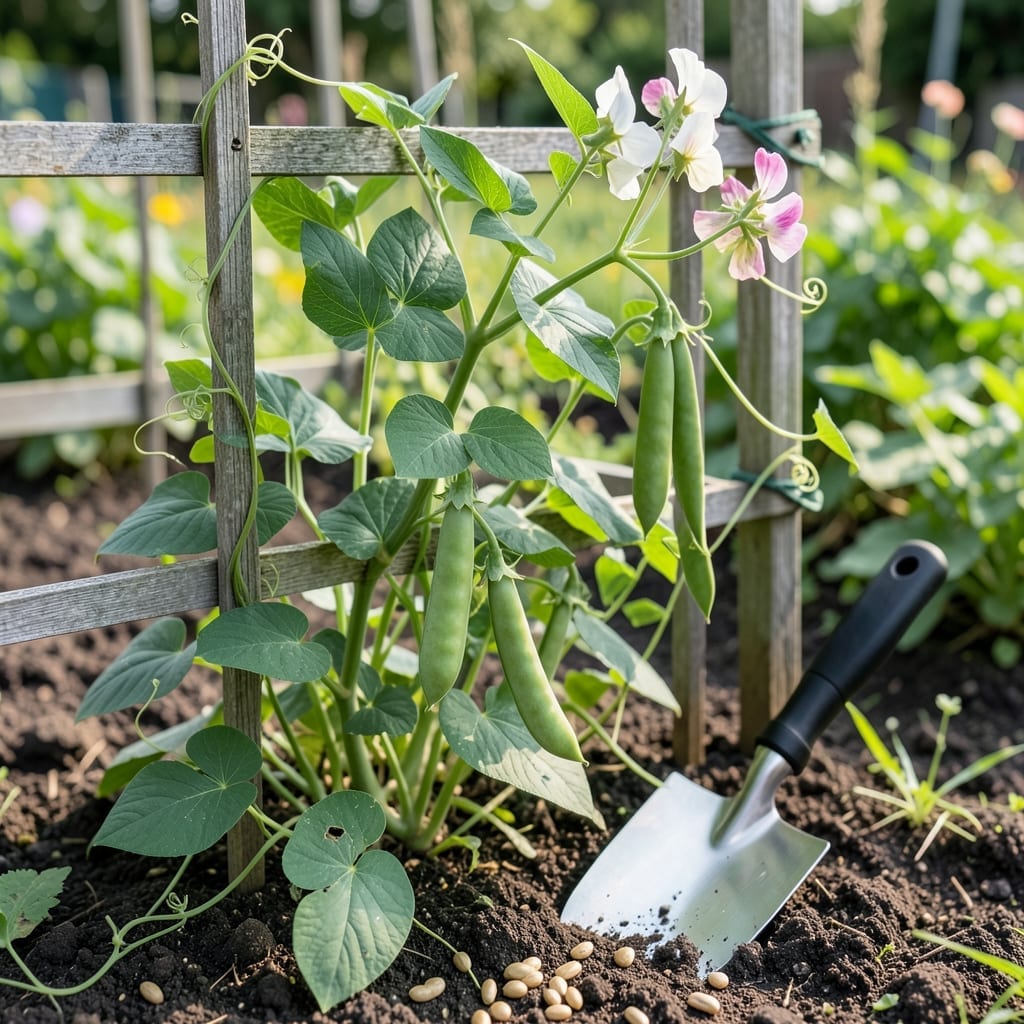
Timing is everything when it comes to planting Pea 🌱 in Kentucky. Plant too early or too late, and your harvest could suffer from frost damage or poor pod development.
In our 6b zone, hitting that sweet spot between February and April can make all the difference. The soil needs to be workable, not waterlogged, for those seeds to thrive.
I’ve learned the hard way that waiting for the right moment pays off. Whether you’re growing sugar snap or shelling varieties, the window is tighter than you might think.
Let me walk you through how to nail that planting schedule and set yourself up for a best harvest from May through July. The secret is in the timing.
Kentucky’s USDA zones 6a-7a offer unique challenges for pea planting. I’ve found that timing depends on your exact location, but the last frost date is your best guide for spring planting success. Sugar snap peas and shelling peas thrive when sown early.
For most Kentucky gardeners, late February to early April is the sweet spot. This window ensures soil temperatures are above 40°F, which peas need to germinate properly. In warmer zone 7a, you can start 2 weeks earlier than zone 6a.
🌱 Kentucky Pea Planting Guide
| Variety | Zone 6a | Zone 7a |
|---|---|---|
| Sugar Snap | March 1-15 | Feb 15-March 1 |
| Shelling | March 10-25 | Feb 25-March 10 |
| Snow Peas | Feb 25-March 15 | Feb 10-Feb 25 |
Fall planting offers a second harvest window in Kentucky. I recommend sowing 8-10 weeks before your first expected frost, typically mid-August to early September. This timing avoids the summer heat that can stress pea plants.
Soil temperature is more critical than air temperature for peas. Use a soil thermometer to check that it’s consistently above 40°F before planting. In Kentucky’s clay soils, I’ve found that raising beds helps warm the soil faster.
For zone 6b gardeners, like those in Louisville, the last frost date is around April 15. This means you can start planting as early as late February if the soil is workable. Remember, peas can tolerate light frosts but not hard freezes.
In northern Kentucky (zone 6a), wait until early March to be safe. The Bluegrass region often has more variable weather, so I always check the 10-day forecast before planting. A sudden cold snap can set back your pea crop significantly.
For fall planting, aim to have your peas in the ground by early September in most of Kentucky. This gives them enough time to mature before the first frost, which typically arrives around October 15 in central Kentucky.
I’ve noticed that sugar snap peas do particularly well in fall plantings because they’re more heat-tolerant than other varieties. They’ll produce a bountiful harvest just as your summer garden is winding down.
Remember, these are general guidelines. Your specific microclimate might require adjustments. I always keep a gardening journal to track what works best in my particular spot. This practice has helped me refine my planting dates year after year.
Finally, don’t forget that succession planting can extend your pea harvest. I plant a new batch every 2-3 weeks during the spring window for a continuous supply of fresh peas. 🌱
Kentucky’s clay-heavy soils need prep before planting peas. I always start by testing soil pH, aiming for 6.0-7.5 for optimal growth. This ensures your peas can access nutrients efficiently
Improving drainage is critical in KY. I mix in compost or aged manure to loosen the soil. Peas hate soggy roots, so raised beds can help in low-lying areas
For faster germination, I soak pea seeds in lukewarm water for 8-12 hours before planting. This softens the seed coat and gives them a head start in Kentucky’s variable spring weather
Don’t skip the pea inoculant. This natural bacteria helps peas fix nitrogen in the soil, which is especially helpful in KY’s often nutrient-poor clay. Just dust the seeds before planting
When planting, I go 1-2 inches deep and space seeds 2 inches apart. Rows should be 18-24 inches apart for good air circulation. This spacing prevents disease and makes harvesting easier
Remember, peas are cool-season crops. They’ll germinate in 40°F soil, but 60°F is ideal. In Kentucky, that usually means late February to early April for spring planting