
Beautiful Plants For Your Interior
Beautiful Plants For Your Interior
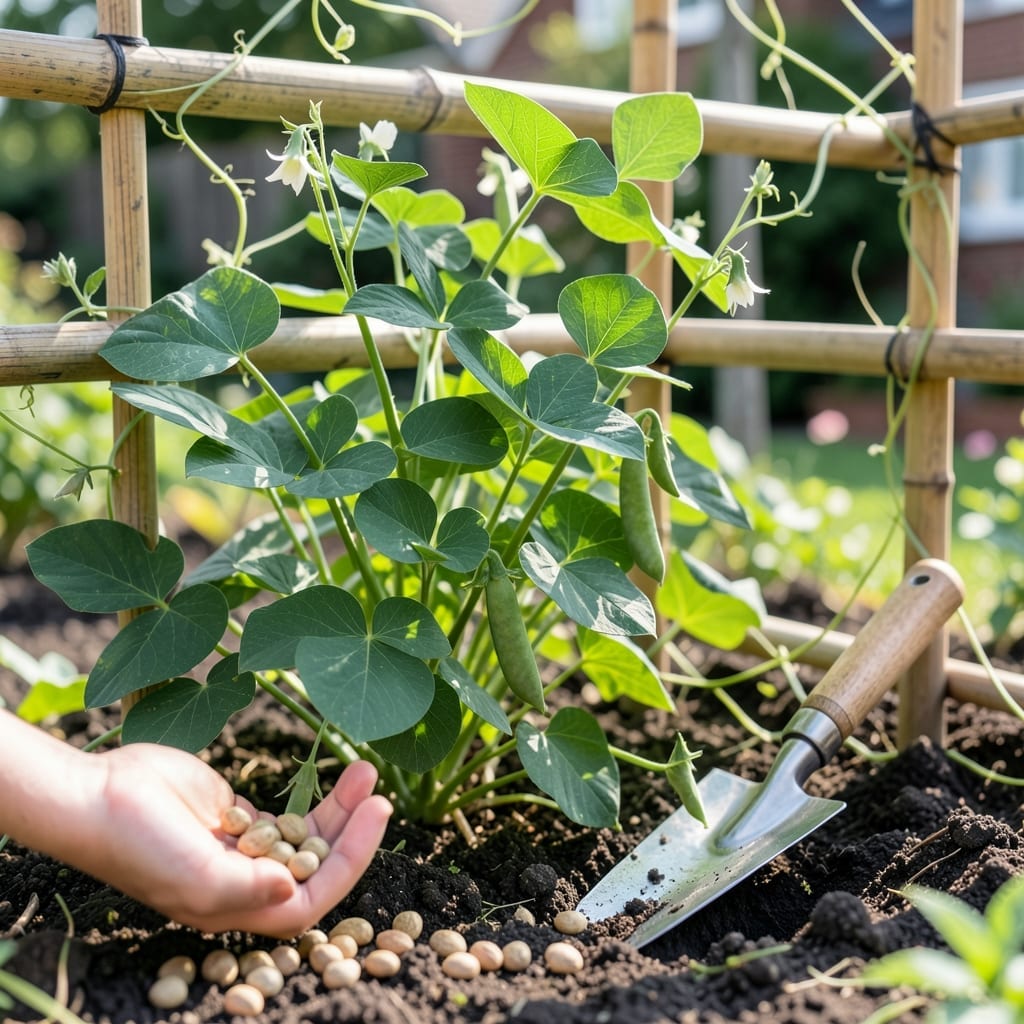
Timing is everything when it comes to planting Pea 🌱 in East Tennessee. Plant too early, and frost may stunt their growth; plant too late, and the summer heat can ruin your harvest.
As a gardener in zone 7a, you have a unique window to get this right. The difference between a bountiful crop and a disappointing one often comes down to just a few weeks.
I’ve learned through trial and error that understanding our regional climate patterns is the key. The soil temperature and last frost date are your best guides for success.
Let me walk you through the optimal planting times that will give your peas the best chance to thrive in our East Tennessee conditions.
In East Tennessee (USDA Zone 7a), the optimal spring window for planting peas is late February through early April. This timing ensures your peas mature before the summer heat arrives.
Peas thrive in cool soil between 40-75°F. I recommend planting 4-6 weeks before the last frost date, which is typically April 15 in this region.
| Requirement | Specification |
|---|---|
| Planting Window | Late Feb – Early April |
| Soil Temperature | 40-75°F |
| Frost Tolerance | Can survive light frost |
| Variety Recommendations | Sugar snap, shelling, snow peas |
| Sun Requirements | Full sun (6+ hours) |
For the best results, I plant sugar snap peas and shelling peas in early March. These varieties handle the cool temperatures well and produce abundant harvests.
Snow peas can go in even earlier, as they’re more cold-tolerant. Just ensure your soil is workable – not frozen or waterlogged.
I always pre-soak seeds overnight to speed up germination. This simple step can shave 2-3 days off your waiting time in our sometimes unpredictable East Tennessee springs.
Remember that peas are light feeders. I mix in compost before planting, but avoid heavy nitrogen fertilizers which can produce lots of leaves but few pods.
For successful germination, maintain consistent moisture. I water gently but thoroughly after planting, then keep the soil evenly moist until sprouts appear.
Peas grow best in well-draining soil with a pH between 6.0-7.5. If your East Tennessee soil is heavy clay, consider planting in raised beds for better drainage.
I’ve found that providing support early – like trellises or stakes – helps vining varieties grow stronger. Even dwarf types benefit from a little support against our occasional spring winds.
With proper timing and care, you’ll be harvesting sweet, crisp peas by late May or early June in East Tennessee 🌱
East Tennessee’s mild falls offer a second chance to grow peas. The key is timing your planting 6-8 weeks before the first frost, which typically hits around October 15.
This gives your peas enough time to mature before cold weather sets in. I’ve found that late July to early August planting works best for a bountiful fall harvest.
Soil temperatures in fall are warmer than spring, which can speed up germination. However, watch for pests like aphids, which are more active in warmer weather.
I recommend using a soil thermometer to ensure temperatures are between 40-75°F for optimal growth. This simple tool can save you from planting at the wrong time.
For best results, mulch heavily around your plants to retain moisture and regulate soil temperature as the days grow cooler.
With the right timing and care, you can enjoy a second harvest of sweet peas before winter arrives 🌱