
Beautiful Plants For Your Interior
Beautiful Plants For Your Interior
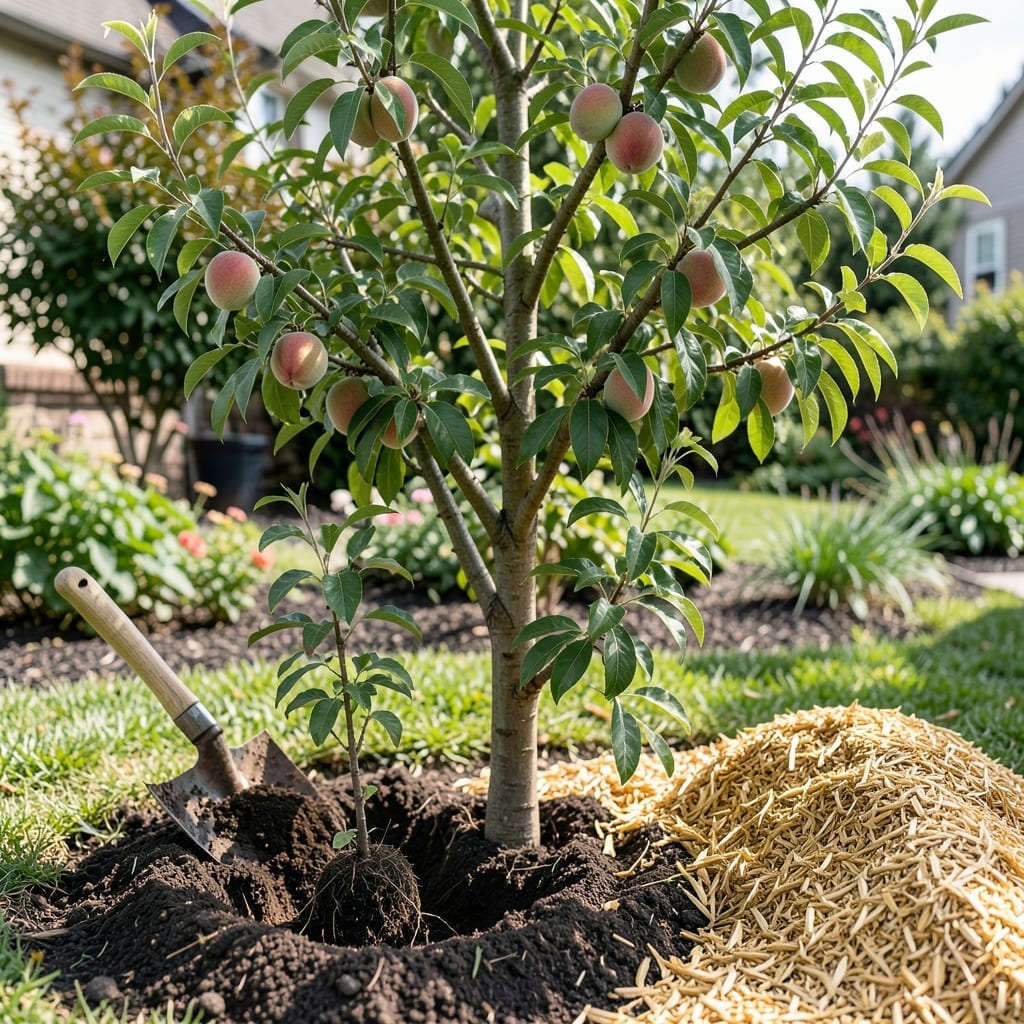
Planting Peach Trees 🍑 in Tennessee at the right time can make all the difference between a flourishing orchard and a struggling sapling. This state’s unique climate demands careful timing to ensure your trees thrive.
I’ve seen firsthand how planting during the optimal window leads to stronger growth and bountiful harvests. Tennessee’s zones 6b-7a offer a specific seasonal sweet spot you won’t want to miss.
Whether you’re a seasoned gardener or just starting out, timing your planting right is the key to success. The good news? It’s simpler than you might think.
Let me walk you through what you need to know to get your Peach Tree off to the best start possible. The results will speak for themselves.
Tennessee’s USDA zones 6b-7a create a unique window for planting peach trees. The ideal time falls between late January and early March, when trees are still dormant but the soil isn’t frozen. This timing allows roots to establish before spring growth begins.
Planting during dormancy gives your peach tree a head start. Aim for 4-6 weeks before the last frost date, which is typically April 15 in most of Tennessee. This ensures your tree avoids late frost damage while still benefiting from cool, moist soil.
| Season | Planting Window | Key Reason |
|---|---|---|
| Late Winter | Jan-Feb | Dormant season, ideal for root growth |
| Early Spring | Early March | Soil workable, before bud break |
| Fall | Avoid | Late planting risks winter damage |
In East Tennessee, where elevations are higher, stick to the earlier end of the window. The cooler climate and later frosts mean January planting is safest. This region’s shorter growing season requires extra time for root establishment.
West Tennessee gardeners have more flexibility. The warmer climate and longer growing season allow planting into early March. However, avoid waiting too long, as spring rains can make soil too wet for proper planting.
For bare-root trees, planting in late winter is non-negotiable. These trees need cool temperatures to prevent stress. If you’re planting container-grown trees, you can extend the window slightly, but still aim for early spring at the latest.
Tennessee’s soil conditions also play a role. The state’s clay-heavy soils can be slow to warm in spring. Planting in late winter gives roots time to grow before the summer heat sets in, which can stress young trees.
Remember, peach trees need full sun and well-draining soil. If your soil is heavy clay, consider amending it with compost or planting in a raised bed to improve drainage before planting.
Finally, always check the weather forecast before planting. A late frost after planting can damage new growth. If frost is predicted soon after planting, be ready to protect your tree with frost cloth or mulch.
By following these Tennessee-specific guidelines, you’ll give your peach tree the best start for years of abundant harvests. 🌳
While timing is crucial, several other key factors can make or break your peach tree planting in Tennessee. I’ve learned that soil preparation is just as important as picking the right date. Tennessee’s clay-heavy soils need amending for proper drainage.
Start by testing your soil pH, aiming for 6.0-6.5. Peach trees thrive in slightly acidic conditions. If your soil is too alkaline, amend with sulfur or peat moss before planting. 🌱
Disease resistance is another critical factor. Tennessee’s humid climate makes peach trees susceptible to peach leaf curl and brown rot. Select disease-resistant varieties to minimize these risks.
Consider your planting location’s microclimate. Areas near buildings or paved surfaces may be slightly warmer, allowing for a bit more flexibility in planting times. However, avoid low-lying spots where cold air and frost can settle.
After planting, consistent watering is vital, especially during the first year. Aim for 1-2 inches of water per week, adjusting for rainfall. Avoid overwatering, as peach trees dislike soggy roots. ✂️
By addressing these key factors, you’ll set your peach tree up for success in Tennessee’s unique growing conditions. The effort you put in now will pay off with healthy growth and abundant harvests for years to come. 🌳