
Beautiful Plants For Your Interior
Beautiful Plants For Your Interior
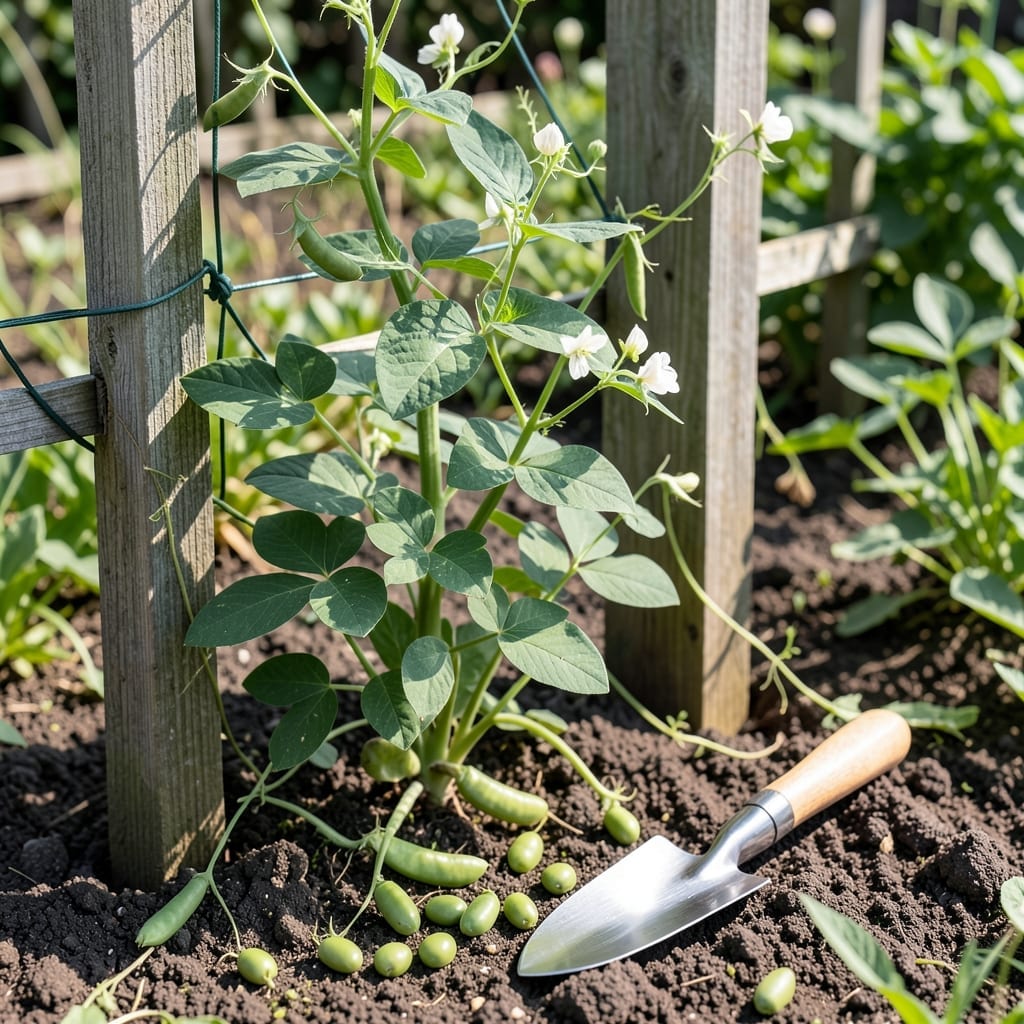
Timing is everything when it comes to planting Pea seeds—get it right, and you’ll enjoy a bountiful harvest. Plant too late or too early, and you risk stunted growth or poor yields.
I’ve learned that spring is the ideal season for Pea 🌱 in most areas, particularly in USDA zone 6. The window from February to April gives your seeds the best chance to thrive before the heat sets in.
But it’s not just about the calendar. Soil temperature and moisture levels play the key roles in germination. I’ll show you how to read these conditions like a pro.
Discover the simple yet effective strategies I use to ensure my Pea plants start strong and finish with a harvest that’ll make your neighbors jealous.
I’ve found that pea seeds thrive when planted at the right time, and timing depends on your climate zone and soil temperature. Peas are cool-season crops, so they prefer 40-75°F soil for optimal germination.
For most gardeners, planting 4-6 weeks before the last frost date is ideal. This gives peas a head start before warm weather arrives. In warmer zones, you can even plant in late winter for an early harvest.
In Zone 6, where I garden, I plant my peas in early March to take advantage of the cool spring weather. The soil is usually workable by then, and the seeds germinate quickly in the cool, moist conditions.
For fall planting, count backward from your first frost date. Peas need about 60-70 days to mature, so plant them 8-10 weeks before the first expected frost. This works well in Zones 7-9 where fall stays mild.
Soil temperature is critical—peas won’t germinate in soil warmer than 75°F. Use a soil thermometer to check conditions before planting. If the soil is too warm, wait for it to cool or plant in partial shade.
In warmer climates, like Zone 10, peas are best planted in fall or winter to avoid the heat. They’ll grow slowly during cooler months and produce a spring harvest. This timing avoids the stress of summer temperatures.
If you’re in a short-season area, choose early-maturing varieties like ‘Oregon Sugar Pod’ or ‘Little Marvel’. These can go from seed to harvest in as little as 55 days, giving you a quick turnaround.
Remember, peas are light feeders, so focus more on timing and soil prep than heavy fertilization. A light compost amendment at planting is all they need to get started.
With the right timing, you’ll enjoy sweet, tender peas all season long. 🌱
Planting pea seeds correctly ensures a healthy harvest. I always start by choosing a sunny location with well-draining soil. Peas thrive in cool weather, so timing is key for success.
Before planting, I loosen the soil to a depth of 12 inches and mix in compost for added nutrients. This creates the perfect growing environment for your seeds. 🌱
After planting, I keep the soil consistently moist but not waterlogged. Peas need about 1 inch of water per week, especially during dry spells. Overwatering can lead to root rot, so balance is crucial.
I also recommend fertilizing lightly at planting time. Peas are light feeders, so too much fertilizer can reduce pod production. A balanced 5-10-10 formula works well for me.
Finally, watch for pests like aphids or birds that may disturb young seedlings. I use row covers early on to protect my plants until they’re established. ✂️
With these steps, you’ll be on your way to a successful pea harvest in about 60-70 days. Happy gardening! 🌿