
Beautiful Plants For Your Interior
Beautiful Plants For Your Interior
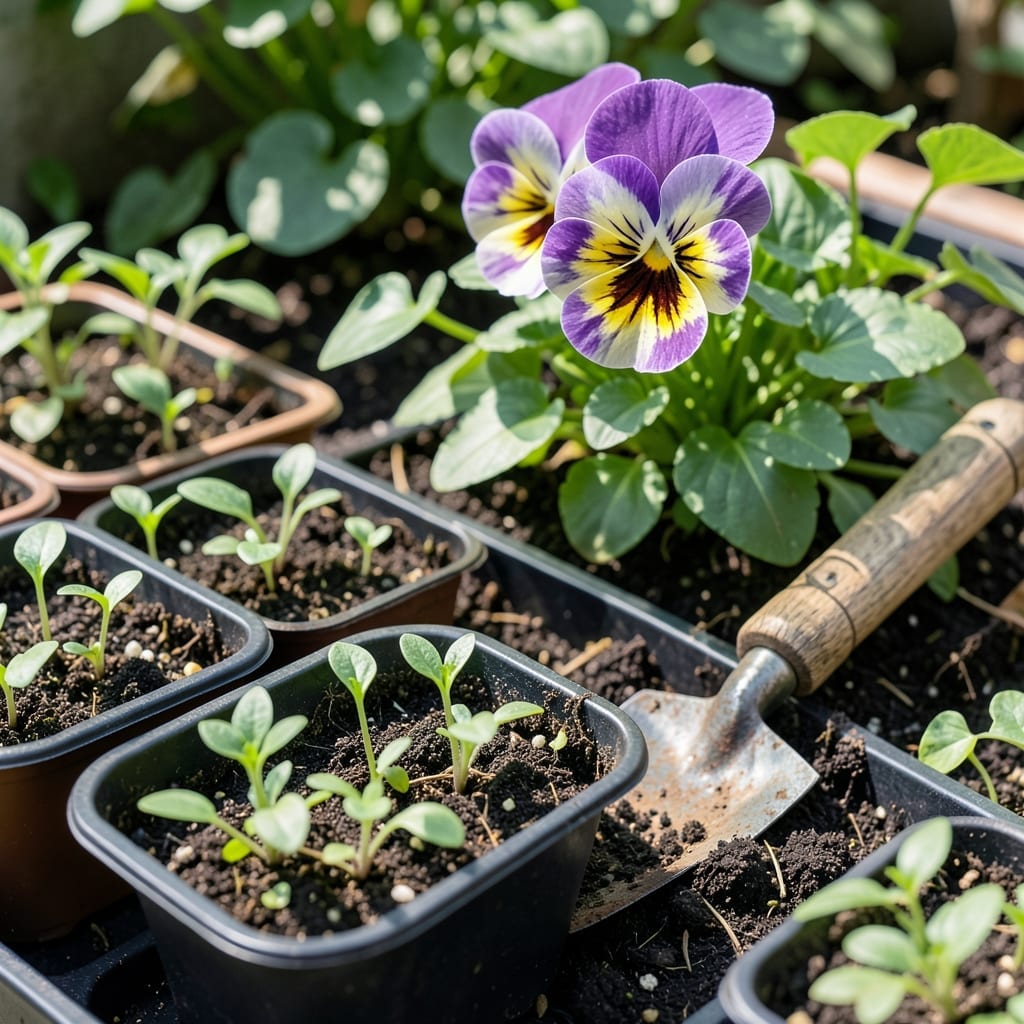
Pansies are the hardy charmers of the flower world, thriving in New England’s unpredictable springs and crisp falls. I’ve seen firsthand how timing makes all the difference.
Plant too early or too late, and you’ll miss out on their vibrant, long-lasting display. In zones 5b-7a, getting the timing right means understanding our unique climate swings.
Whether you’re planning for spring or fall, there’s a perfect window to set your 🌸 Pansies up for success. The key lies in working with, not against, New England’s seasons.
Discover the exact timing that’ll give your Pansies the strongest start and most abundant blooms. Let’s dig into what works best for our region.
New England’s USDA zones 5b-7a offer two prime windows for planting pansies. I’ve found the best times are early spring and early fall, when temperatures are cool.
The secret lies in the soil temperature. Pansies thrive when the ground is between 40-60°F, which typically aligns with our spring and fall seasons. This range ensures strong root development without stress.
| Season | Planting Window | Soil Temp | Frost Tolerance |
|---|---|---|---|
| Spring | March-April | 40-50°F | Survives light frost |
| Fall | August-September | 50-60°F | Handles hard frost |
In coastal areas, you can start planting 2-3 weeks earlier in spring due to milder temperatures. I recommend checking your local last frost date and counting back 4-6 weeks for spring planting.
For fall planting, aim for 6-8 weeks before the first expected frost. This gives your pansies enough time to establish strong roots before winter sets in. Inland areas might need to adjust slightly later.
The beauty of pansies is their cold hardiness. I’ve seen them bloom through light snow in fall and bounce back after spring frosts. This makes them perfect for New England’s unpredictable weather.
If you’re planting in containers, you can start even earlier. The soil warms faster in pots, so you can begin 4-5 weeks before your last frost date. Just be ready to protect them from hard freezes.
Remember that soil preparation is key. Pansies prefer well-draining soil with plenty of organic matter. I always work in some compost before planting to give them the best start.
For the most vibrant display, choose healthy transplants with dark green leaves and no signs of flowering. These will establish faster and give you more blooms over a longer period.
Whether you’re planting in borders, containers, or window boxes, pansies will reward you with months of color when timed right in New England’s climate. 🌸
Planting Pansies in New England requires careful preparation. I always start by choosing a well-draining location with partial to full sun exposure for the best results.
These flowers thrive in cool weather, making them perfect for our spring and fall seasons. The soil should be rich in organic matter, so I mix in compost before planting.
For spring planting, I aim for March to April, about 4-6 weeks before the last frost. This gives the plants time to establish before warmer weather arrives.
In the fall, I plant from August to September, about 6-8 weeks before the first frost. This ensures strong root development before winter.
After planting, I maintain consistent moisture but avoid overwatering. A weekly watering schedule works well unless we get significant rain.
For both seeds and transplants, the key is patience. Pansies may take 60-90 days to reach full bloom, but the wait is worth it for their cheerful colors.