
Beautiful Plants For Your Interior
Beautiful Plants For Your Interior
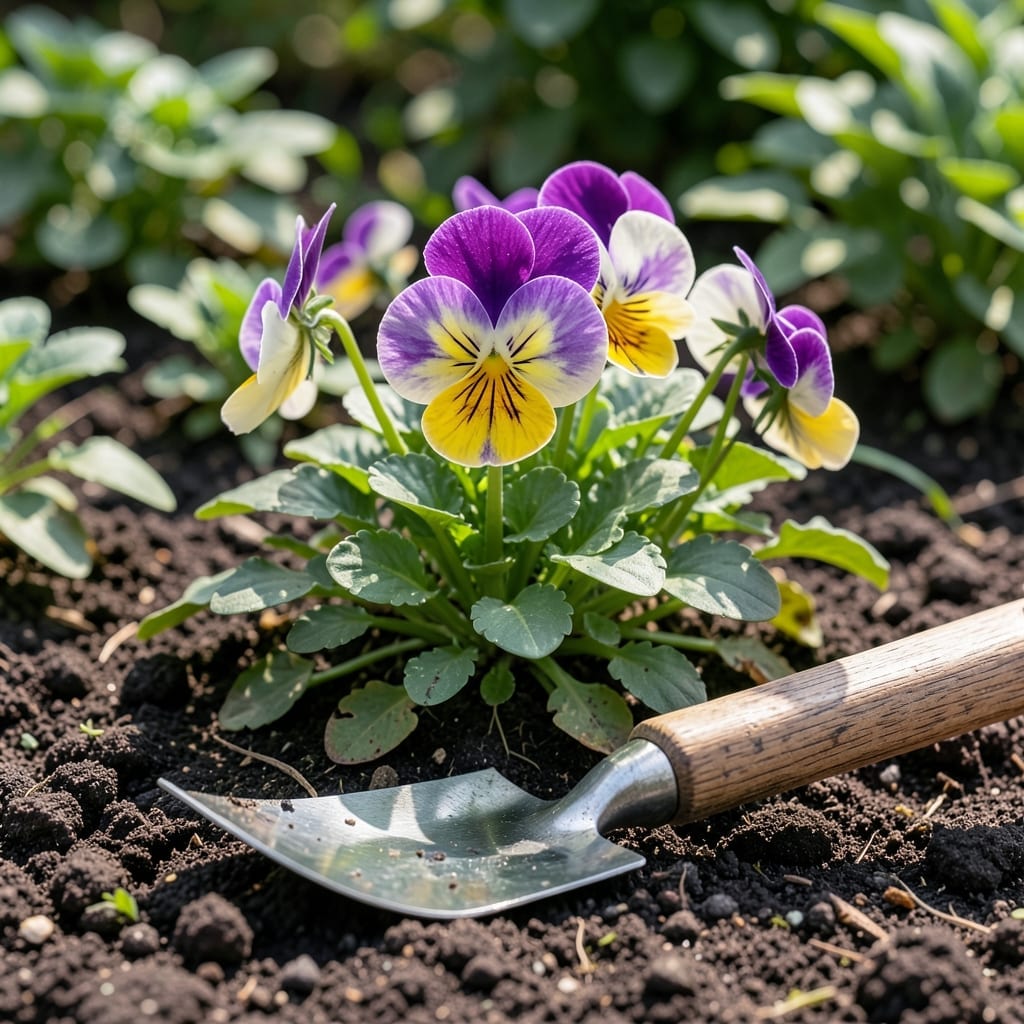
Timing is everything when it comes to growing vibrant Pansies in Massachusetts. These cool-weather lovers can transform your garden, but only if you plant them at the right time.
The Bay State’s unique climate means you have two prime windows each year to get it right. Plant too early or too late, and you might miss out on that stunning burst of color.
I’ve learned through trial and error that getting the timing just right makes all the difference. Whether you’re in zone 5b or 7a, there’s a sweet spot for planting.
Let me share exactly when to get your 🌸 Pansies in the ground for maximum impact and longest blooming season.
Massachusetts spans USDA zones 5b to 7a, which means your exact planting window depends on where you live. Pansies are cool-season flowers that thrive in temperatures between 40°F and 60°F, making them perfect for early spring and fall.
In zone 5b (western MA), the last frost date is typically around April 15th. For zone 7a (Cape Cod), it can be as early as April 1st. These dates are critical for timing your pansy planting.
| Zone | Last Frost Date | Spring Planting | Fall Planting |
|---|---|---|---|
| 5b | April 15 | March 15 – April 1 | August 15 – September 1 |
| 6a | April 10 | March 10 – March 25 | August 20 – September 10 |
| 7a | April 1 | March 1 – March 15 | August 25 – September 15 |
For spring planting, I recommend starting 4-6 weeks before your last frost date. This gives pansies time to establish strong root systems before warmer weather arrives. In fall, aim for 6-8 weeks before the first frost to allow for full blooming.
The first frost date in Massachusetts typically ranges from October 15th in the west to November 1st on the Cape. Planting too late in fall risks frost damage to young plants before they can establish.
Pansies can tolerate light frosts, but hard freezes below 25°F will kill them. If you’re in a colder microclimate, consider mulching around plants to protect them from sudden temperature drops.
Soil temperature is another key factor. Pansies prefer soil temps between 45°F and 65°F. In early spring, I check my soil with a soil thermometer before planting. If it’s still frozen or waterlogged, I wait a week.
For the best results, choose well-draining soil with plenty of organic matter. Pansies don’t like soggy roots, so amend heavy clay soil with compost. A pH between 5.4 and 5.8 is ideal for these colorful bloomers.
If you’re planting in containers, ensure they have drainage holes and use a quality potting mix. Pansies in pots dry out faster, so I check moisture levels daily during warm spells.
Remember, these timing guidelines are for transplants. If you’re starting from seed, begin indoors 8-10 weeks before your planned outdoor planting date. This head start ensures strong seedlings ready for the garden.
Choosing between spring and fall planting for pansies in Massachusetts depends on your goals. Both seasons offer unique benefits, but each comes with its own set of challenges for gardeners.
Spring planting gives you early blooms that can last through early summer if temperatures stay cool. Fall planting, on the other hand, often results in stronger plants that may overwinter and bloom again in spring.
I’ve found that fall-planted pansies often produce more robust blooms the following spring. The cooler temperatures allow them to develop extensive root systems without the stress of summer heat.
However, spring planting is ideal if you want immediate color. Just be prepared to replace plants as temperatures rise above 75°F, which can cause pansies to stop blooming and go to seed.
For the longest possible display, I recommend both seasons. Plant in early spring for immediate color, then add more in late summer for a fall show and potential spring rebloom.
Remember that microclimates matter in Massachusetts. Urban areas and south-facing slopes warm up faster in spring, while low-lying areas may stay cooler longer, affecting your planting timing 🌸