
Beautiful Plants For Your Interior
Beautiful Plants For Your Interior
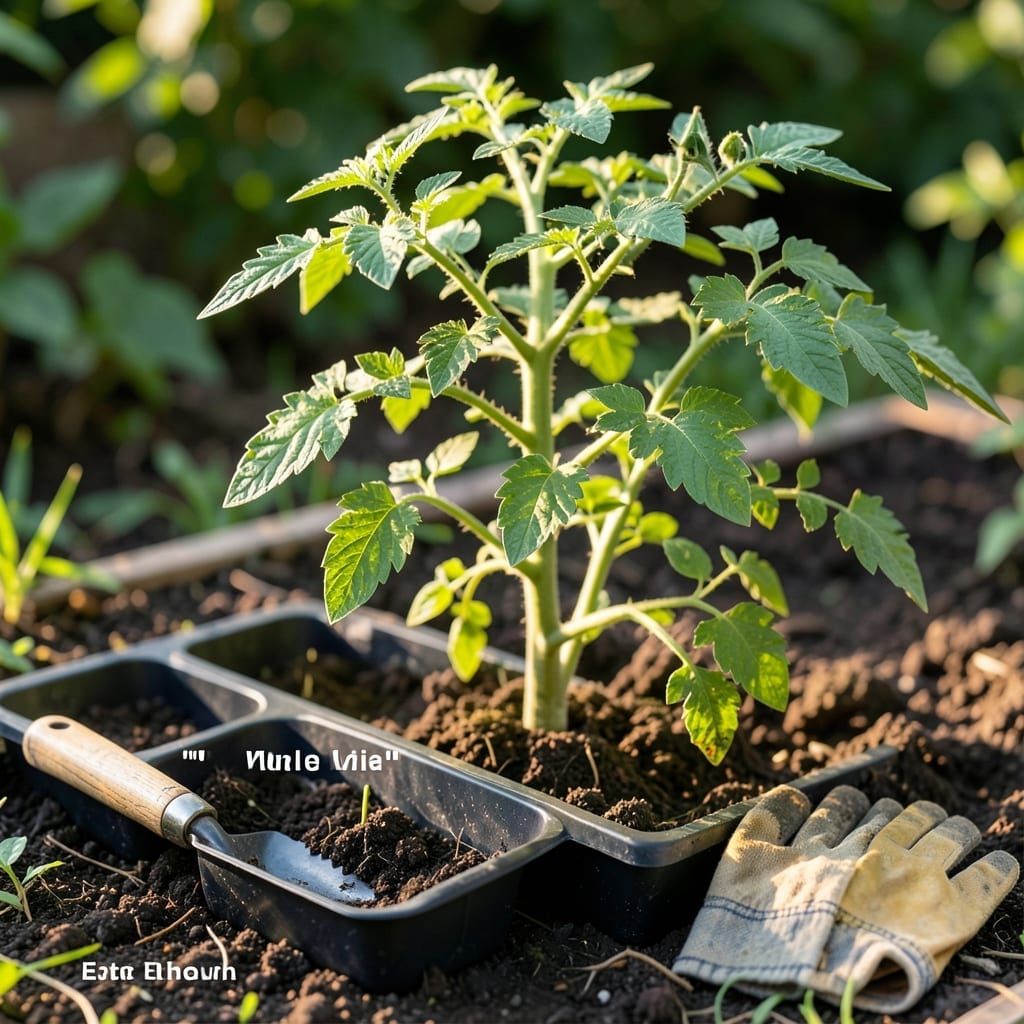
Timing your outdoor planting in Ohio can make or break your garden. With unpredictable springs and early falls, knowing the precise frost-free dates ensures your 🌱 General Vegetables thrive.
I’ve seen too many gardeners lose their seedlings to a late frost or miss their planting window entirely. The difference between success and disappointment often comes down to a few weeks.
In our 6a-6b zone, the sweet spot for most plants arrives between April and May. But there’s more to it than just the calendar.
Let me walk you through exactly when to get those seeds in the ground for the best possible harvest from June through October.
Ohio spans USDA hardiness zones 5 through 6, which affects when you can safely plant. The northern regions, like Cleveland and Toledo, typically see their last frost around May 15. ☀️
Central Ohio, including Columbus and Dayton, usually has its last frost around April 25, giving you a slightly longer growing season. Southern Ohio, near Cincinnati, often enjoys its last frost by April 15. 🌱
| Region | USDA Zone | Last Frost Date | First Frost Date |
|---|---|---|---|
| Northern Ohio | 5b-6a | May 15 | October 15 |
| Central Ohio | 6a | April 25 | October 25 |
| Southern Ohio | 6b | April 15 | November 1 |
These dates are averages, so I always recommend checking your local weather forecast before planting. A sudden cold snap can wipe out tender seedlings overnight. 🌡️
Microclimates matter too. Urban areas, like Cleveland’s downtown, may be slightly warmer than rural spots. South-facing slopes and areas near buildings can also create warmer microclimates.
I’ve found that using a soil thermometer is one of the best ways to know when it’s safe. Most warm-season crops like tomatoes and peppers need soil temps of at least 60°F to thrive. 🌿
For cool-season crops like lettuce and spinach, you can plant as soon as the soil is workable, often 4-6 weeks before the last frost date. These hardy plants can even tolerate light frosts.
If you’re eager to get a head start, consider using row covers or cold frames. These can protect plants from unexpected frosts and extend your growing season by several weeks.
Remember, Ohio’s weather can be unpredictable. I’ve seen May snow in northern Ohio and early heatwaves in the south. Staying flexible and being prepared to cover plants is key. ✂️
Finally, keep a gardening journal to track your local frost dates and planting successes. Over time, you’ll develop a keen sense of what works best in your specific area of Ohio.
Ohio’s growing season is a carefully timed dance with nature. I’ve learned that cool-season crops like lettuce and peas can go in early spring, often as soon as the soil is workable.
For warm-season favorites like tomatoes and peppers, waiting until after the last frost is non-negotiable. In most of Ohio, that means mid-May is your safe starting point.
I always recommend starting seedlings indoors about 6-8 weeks before the last frost date. This gives your plants a head start and extends your growing season significantly.
Don’t forget about succession planting – I plant fast-growing crops like radishes every 2 weeks for continuous harvests. This technique works wonderfully with lettuce and beans too.
For flower gardens, annuals like marigolds and zinnias can go in after the frost danger passes. Perennials are more forgiving and can often be planted in early spring or fall. ☀️
Remember that soil temperature is just as important as air temperature. I use a soil thermometer to ensure it’s at least 60°F for warm-season crops.
With proper timing, you can enjoy fresh produce from your Ohio garden for most of the year. 🌱