
Beautiful Plants For Your Interior
Beautiful Plants For Your Interior
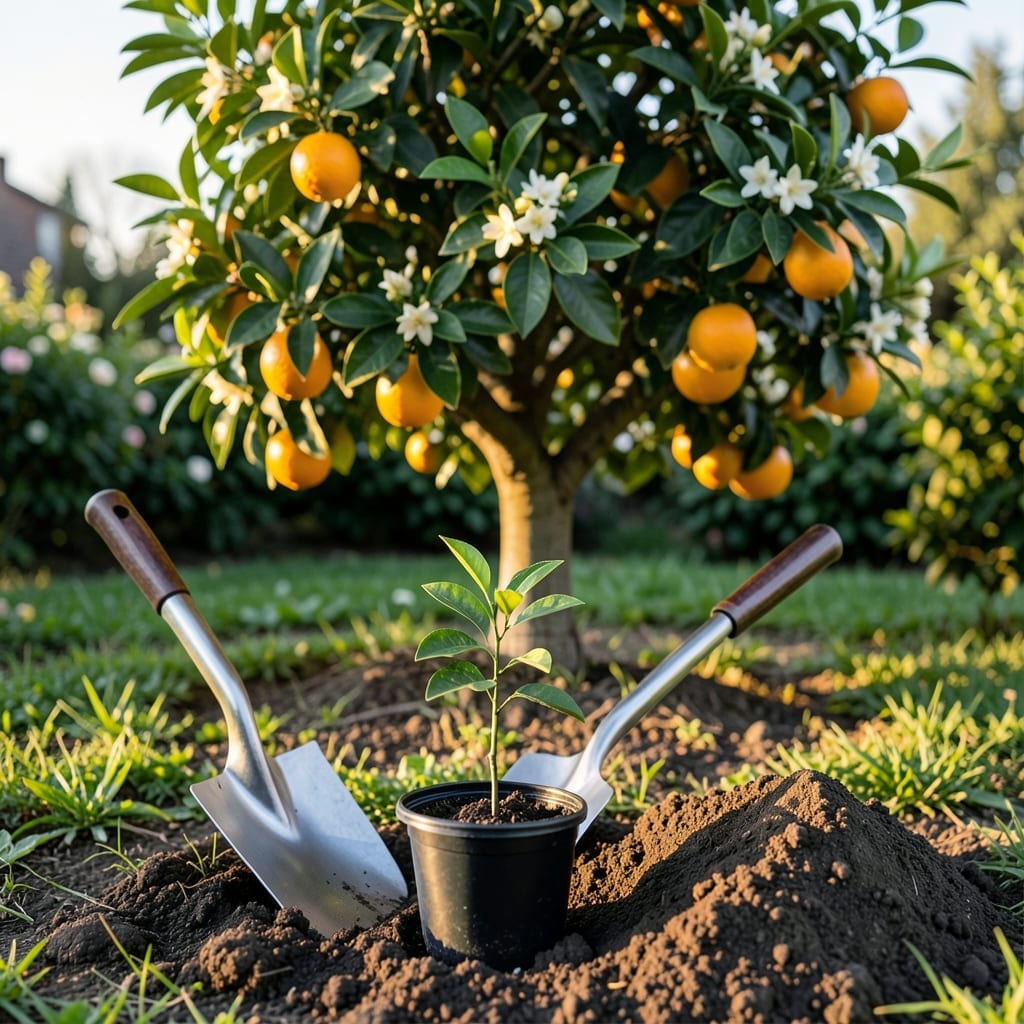
Timing is everything when planting Orange Trees in Southern California, where the warm climate offers a unique window for optimal growth and bountiful harvests. Plant too early or too late, and you risk stunted growth or poor fruit quality.
The 🍊 Orange Tree thrives in USDA Zone 10a, but even here, timing makes all the difference. While you can technically plant year-round, choosing the right moment ensures your tree establishes strong roots before the heat or rare frosts arrive.
I’ve seen firsthand how proper timing leads to faster growth and sweeter fruit. Whether you’re a seasoned gardener or just starting, knowing the best months to plant will set you up for success.
Let me walk you through the ideal planting windows and what to consider for your Southern California Orange Tree. The payoff is worth it.
Southern California’s mild Mediterranean climate gives us a rare advantage: we can plant orange trees almost year-round. However, for the strongest root establishment and best fruit yields, timing matters more than you might think.
I’ve found that early spring and early fall are the optimal windows. These seasons allow roots to settle before summer heat or winter chill stress the tree. March to April and September to October are my top picks for most varieties.
| Season | Best Months | Why It Works |
|---|---|---|
| Early Spring | March-April | Cool temps, moderate rain, root growth |
| Early Fall | September-October | Avoids summer stress, pre-winter prep |
| Year-Round | All months | Possible with proper care in SoCal |
In coastal areas, where temperatures stay milder year-round, you can push planting into late fall. But inland, where frost risk exists, I stick to spring planting to avoid cold snaps.
Navel oranges and Valencias thrive in these windows. For blood oranges, which need more warmth, late spring planting ensures they get enough heat to develop their rich color and flavor.
If you’re planting in summer, choose dwarf varieties in containers. They handle the heat better and can be moved to shade during peak afternoon sun. Always mulch heavily to retain moisture.
Soil temperature is another key factor. Aim for 60-70°F at planting depth. In SoCal, this is usually achievable by mid-March and holds through early November, giving you that flexible window.
I always recommend testing your soil before planting. Orange trees prefer slightly acidic to neutral pH (6.0-7.0). If your soil is too alkaline, amending with sulfur or peat moss can help.
Watering deeply after planting is critical. Give your new tree 10-15 gallons of water immediately, then maintain consistent moisture (but not sogginess) for the first 2-3 weeks. This encourages roots to spread outward.
Finally, remember that young trees need protection from strong winds and extreme temps. In Southern California, this might mean using a windbreak or planting near a south-facing wall for added warmth. ☀️
Planting orange trees in Southern California isn’t just about timing—it’s about understanding the microclimates and soil conditions that make or break your harvest. I’ve found that even the best months can fail if you ignore these key factors.
First, consider your USDA Zone 10a location. Coastal areas stay milder, while inland spots can swing between extreme heat and rare frosts. This affects when and how your tree establishes roots.☀️
For soil prep, I always test drainage by digging a 1-foot hole and filling it with water. If it drains in under an hour, you’re good. If not, amend with compost or sand before planting.
Choosing the right orange variety matters too. Navel oranges thrive in inland heat, while Valencia oranges handle coastal humidity better. Blood oranges need cooler nights to develop their signature color.
Don’t overlook rootstock selection. Dwarf rootstocks are perfect for small spaces, but standard rootstocks produce larger harvests. Match it to your garden’s size and goals.
Finally, water deeply after planting and mulch to retain moisture. This gives your tree the best start in Southern California’s dry climate.🌱