
Beautiful Plants For Your Interior
Beautiful Plants For Your Interior
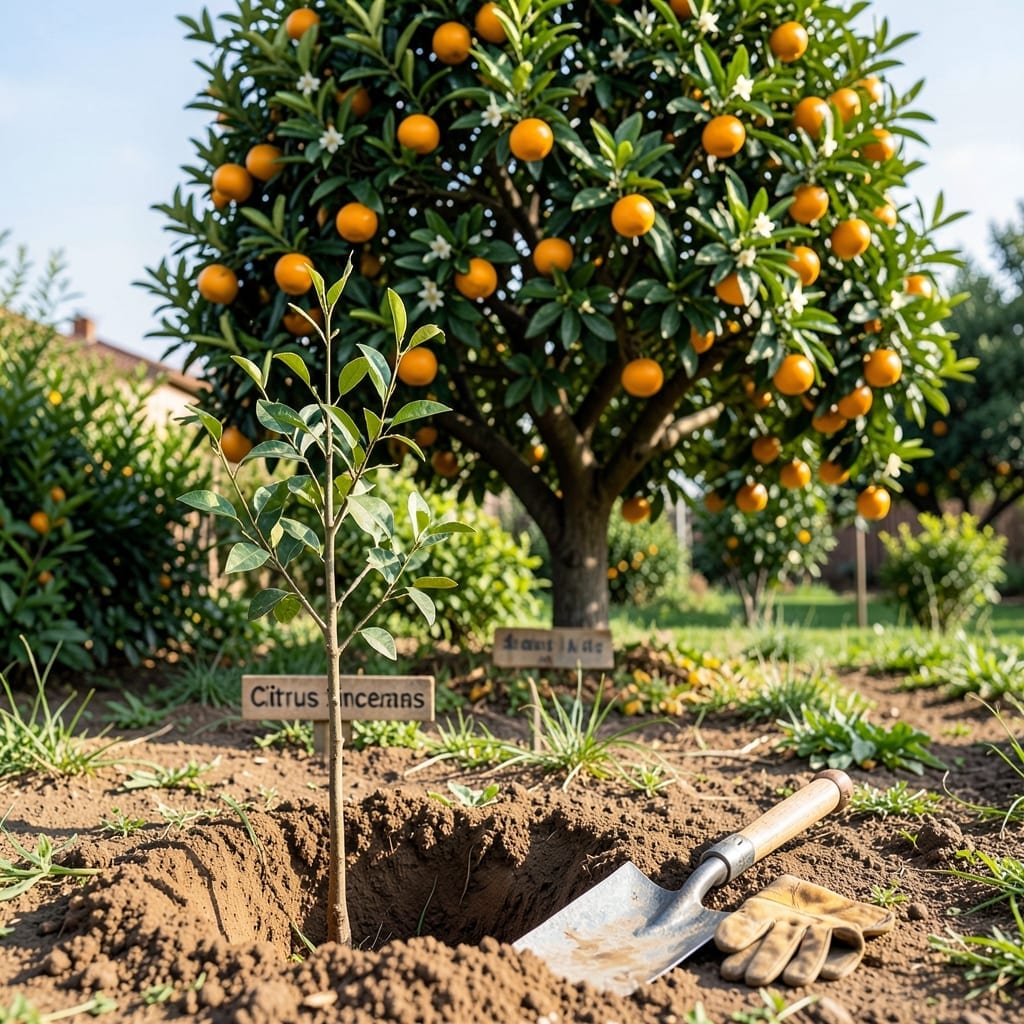
Timing is everything when planting Orange Trees in Florida—plant too early or too late, and you risk stunted growth or poor fruit production. The spring window is critical for success.
I’ve seen firsthand how the right timing can transform a struggling sapling into a thriving 🍊 tree. Florida’s unique climate demands precision, especially in zones 8b-10b.
Whether you’re a seasoned gardener or just starting, knowing the ideal months makes all the difference. Let’s break down what works and why.
Discover the secrets to planting at the perfect moment for sweet, abundant harvests year after year.
Planting orange trees in Florida requires precise timing to avoid frost damage and ensure strong root development. The state’s diverse climate zones mean planting windows vary by region, with spring being the most reliable season.
In North Florida, the last frost typically occurs by mid-February, making March through early April ideal for planting. This allows roots to establish before summer heat sets in.
| Region | Best Planting Months | Key Consideration |
|---|---|---|
| North Florida | March – April | Avoid late frosts |
| Central Florida | February – April | Mild winters allow earlier start |
| South Florida | Year-round | No frost risk, but dry season is best |
Central Florida gardeners can start planting as early as February, thanks to milder winters. However, March and April remain the safest bet for all regions to ensure warm soil and stable conditions.
In South Florida, the absence of frost means orange trees can be planted year-round. Still, I recommend late winter to early spring to take advantage of the dry season and reduce watering stress.
For early-season varieties like Navel oranges, planting in March gives the tree a full growing season to establish before fruiting. Late-season varieties, such as Valencias, also thrive with this timing.
The ideal soil temperature for root growth is 65°F or higher. In North Florida, this is typically achieved by mid-March, while Central and South Florida reach it earlier.
If you’re planting bare-root trees, aim for late winter to early spring. For container-grown trees, you have more flexibility, but spring planting still offers the best growth conditions.
Soil preparation is key. Test your soil’s pH level—orange trees prefer 6.0 to 7.0. Amend with compost or sand to improve drainage, as waterlogged roots are a common issue in Florida’s heavy soils.
Sunlight exposure is another critical factor. Orange trees need full sun (at least 6-8 hours daily) to produce the best fruit. Plant in a south-facing location for optimal light.
Finally, watering consistently after planting helps roots settle. I water my new trees 2-3 times a week for the first month, then taper off as they establish. 🌳
While March to April is ideal for planting, other factors can make or break your success. I always check soil drainage first—orange trees hate soggy roots. Florida’s sandy soil is great, but clay patches need amendment.
Full sun exposure is non-negotiable for sweet fruit. Aim for 6+ hours daily. Even a little shade can reduce yield and sugar content in your oranges.
Key Success Factors
Watering is crucial in the first year. I recommend deep watering once a week, letting the soil dry slightly between waterings. This encourages deep root growth for drought tolerance.
Don’t overlook variety selection. Early-season oranges like Hamlin tolerate cooler North Florida, while Valencia thrives in the heat of South Florida. Choose wisely for your zone.
Rootstock matters too. For Florida’s diverse climates, I prefer Cleopatra mandarin for its disease resistance and sour orange for its drought tolerance.
Finally, mulch heavily after planting. This retains moisture, suppresses weeds, and regulates soil temperature—all critical for young trees establishing in Florida’s heat. 🌳