
Beautiful Plants For Your Interior
Beautiful Plants For Your Interior
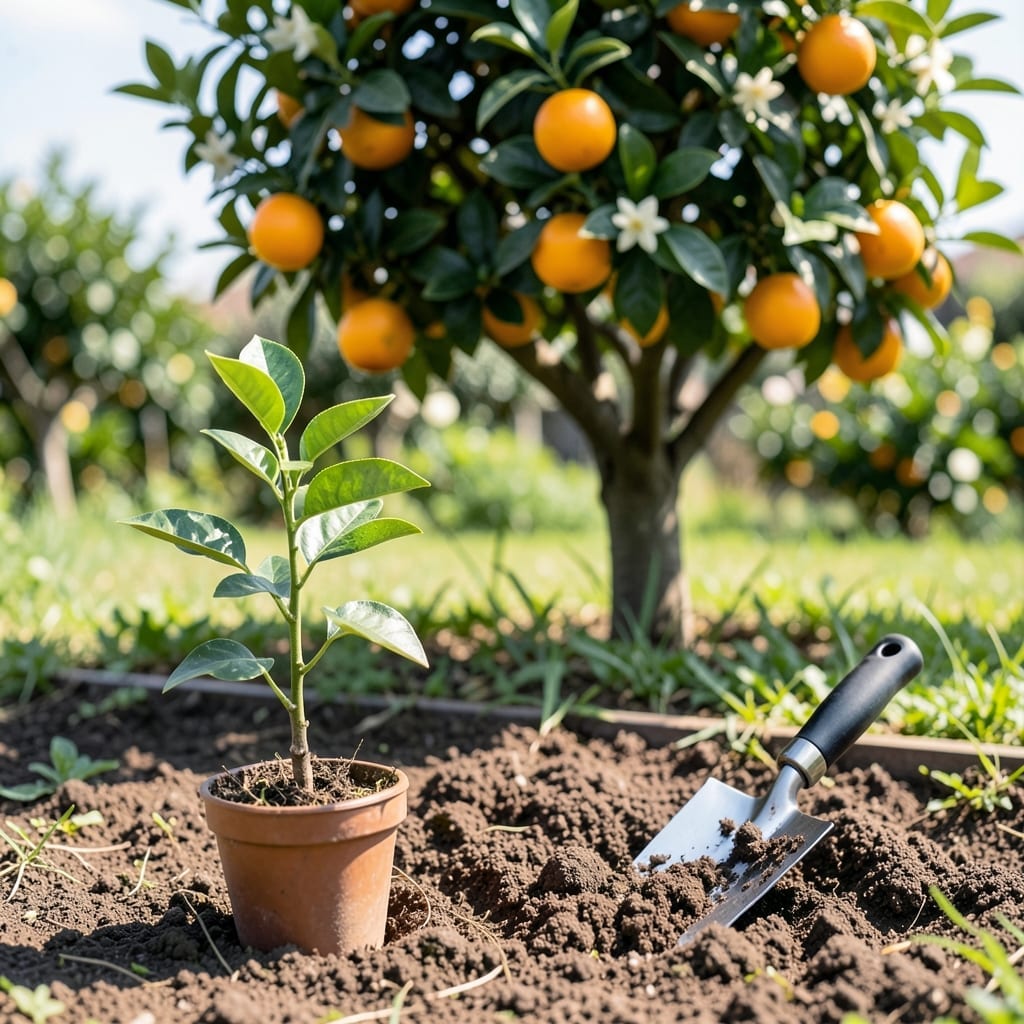
Timing is everything when planting Orange Trees in California—plant too early or too late, and frost or heat stress can ruin your harvest before it even begins.
I’ve seen too many gardeners lose their 🍊 trees to poor timing. The difference between success and failure often comes down to just a few weeks.
Discover the ideal frost-free windows to ensure your citrus thrives year after year. California’s diverse climate means what works in one region might not in another.
Let’s break down the best times to plant, so you can enjoy juicy oranges without the guesswork.
California’s diverse climate means the ideal planting window for orange trees varies by region. In Southern California, you can plant year-round, but spring and early fall are best.
For Central California, aim for late winter to early spring to avoid frost. Northern California requires waiting until after the last frost, typically March or April.
| Region | Best Planting Window | USDA Zones | Key Consideration |
|---|---|---|---|
| Southern California | Year-round, best Feb–Apr | 9–11 | Avoid peak summer heat |
| Central California | Late winter–early spring | 8–10 | Watch for late frosts |
| Northern California | March–April | 7–9 | Plant after last frost |
Soil temperature is critical—60°F or warmer ensures strong root growth. In cooler zones, container planting lets you move trees indoors if frost threatens.
Microclimates matter too. Coastal areas with mild winters allow earlier planting, while inland valleys may need to wait until soil warms in late spring.
For dwarf varieties, the rules are the same, but they’re more forgiving in small spaces. Just ensure full sun and well-draining soil.
If you’re in Zone 9, you have flexibility, but Zone 8 gardeners must be cautious. A soil thermometer is a handy tool to confirm conditions.
Remember, orange trees hate soggy roots. If your region gets heavy winter rains, planting in early spring helps avoid waterlogged soil.
For the best start, acclimate young trees to outdoor conditions before planting. This reduces transplant shock and speeds up establishment.
Finally, check local frost dates—your county’s agricultural extension often provides the most accurate data for your exact location.
With the right timing, your orange tree will reward you with years of sweet, juicy fruit 🌳
Knowing when your California soil is ready for orange trees is just as vital as picking the right date. I always check for consistent soil temperatures above 60°F at planting depth first. 🌱
Your last frost date must have passed, especially in Northern California. Even a light frost can damage young citrus, so I wait until mid-February in most zones. 🌡️
I test my soil drainage by digging a 1-foot hole and filling it with water. If it drains within an hour, it’s ready. Citrus hates wet feet, so this step is non-negotiable. 💧
Another key sign is seasonal rainfall. I avoid planting during heavy rain periods to prevent root rot. Early spring, after the winter rains taper off, is ideal for most areas. ☀️
For soil preparation, I mix in compost and sand to improve structure. This gives young orange tree roots a healthy start. Always test pH levels too—citrus thrives in 6.0-7.0 range. 🌿
Finally, watch the forecast. If a heatwave is coming, delay planting. Young trees need mild conditions to establish roots before stress hits. I’ve learned this the hard way! 🌳