
Beautiful Plants For Your Interior
Beautiful Plants For Your Interior
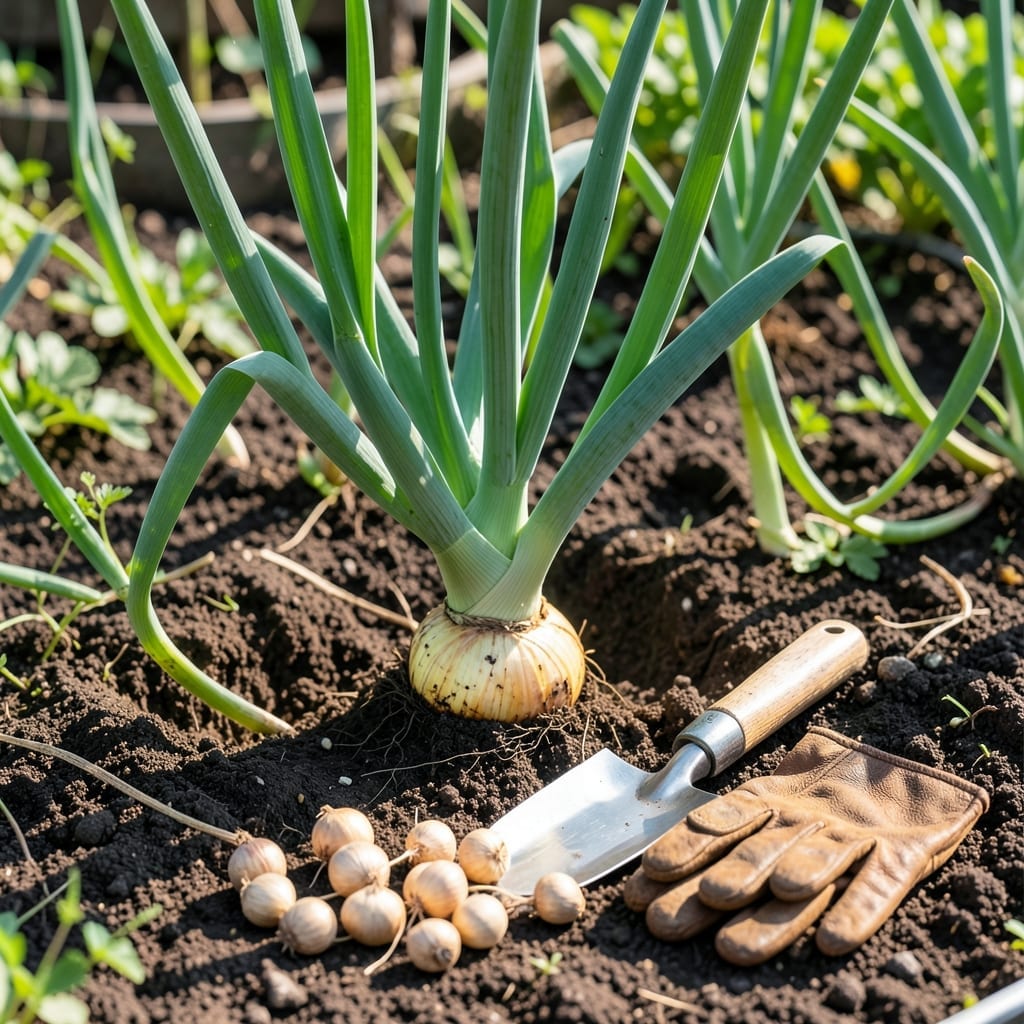
Timing is everything when planting onions in Vermont—get it right, and you’ll enjoy a bountiful, sweet harvest that’s the envy of your gardening neighbors.
As a gardener in zone 4a, I know the spring planting window is short but crucial. The 🧅 Onion thrives when planted at the perfect moment, avoiding late frosts and capitalizing on the growing season.
Whether you’re using sets or seeds, understanding Vermont’s climate quirks makes all the difference. I’ll walk you through the best practices to ensure your crop gets off to a strong start.
Discover how to align your planting schedule with local conditions for bigger, healthier bulbs come harvest time.
Vermont’s USDA zones 3-5 create unique challenges for onion planting. The key is timing it right around last frost dates, which vary from mid-May in zone 3 to early May in zone 5. I always check my local soil temperature before starting.
Onion sets thrive when soil reaches 40-50°F, while seeds need 50-75°F. This means sets can go in 2-4 weeks before last frost, but seeds should wait until after. In Burlington (zone 4), I aim for late April for sets.
| Zone | Last Frost | Plant Sets | Plant Seeds |
|---|---|---|---|
| Zone 3 | May 15 | Late April | Mid-May |
| Zone 4 | May 10 | Early April | Early May |
| Zone 5 | May 1 | Late March | Late April |
For fall planting, I’ve found late August to early September works best. This gives onions time to establish roots before winter but not enough to sprout. Remember, day-length onions perform best in Vermont’s climate.
Soil preparation is crucial. I always test my soil pH (aim for 6.0-7.0) and add compost for well-draining soil. Onions hate wet feet, so raised beds can be a game-changer in our clay-heavy soils.
In my experience, early planting often means larger bulbs. But don’t rush it – frost-tolerant sets can handle light frosts, but seeds are more delicate. I once lost a whole seed crop to a late April frost!
Soil temperature is your best guide. Use a soil thermometer – they’re inexpensive and take the guesswork out. When the soil at 2-inch depth hits 40°F consistently, it’s go time for sets.
For green onions, you can start even earlier. I’ve had success direct-sowing in late March under row covers. They’re more cold-hardy than bulb onions and mature faster.
Remember Vermont’s short growing season. Choose short-day or intermediate-day varieties for best results. Long-day types often don’t have enough time to form good bulbs before our early frosts.
Finally, mulch heavily after planting. This keeps soil temperature steady and retains moisture. I use straw mulch – it’s lightweight and breaks down nicely over the season.
With the right timing and care, you’ll be harvesting sweet, homegrown onions by mid-summer. ☀️
Vermont’s short growing season means you need onion varieties that can mature quickly. I’ve had the best luck with short-day and intermediate-day types, which form bulbs with fewer daylight hours.
Ailsa Craig is a classic choice—it’s a long-day onion that adapts well to our climate and produces sweet, mild bulbs. For red onions, Red Baron is a winner—it’s cold-hardy and stores beautifully.
| Variety | Type | Days to Maturity | Best For |
|---|---|---|---|
| Ailsa Craig | Long-day | 100-110 | Sweet flavor |
| Red Baron | Intermediate | 90-100 | Storage, red |
| Yellow Sweet Spanish | Short-day | 85-95 | Early harvest |
Yellow Sweet Spanish is another favorite—it’s a short-day variety that matures in about 90 days, perfect for Vermont’s zone 4 climate. Its mild, sweet flavor makes it ideal for fresh eating.
For green onions, I love White Lisbon. It’s quick-growing and cold-tolerant, so you can plant it early in spring or even in late summer for a fall harvest.
If you’re looking for storage onions, Stuttgarter is a reliable choice. It produces medium-sized yellow bulbs that keep well and have a strong, classic onion flavor.
Remember, day-length sensitivity is key. Long-day onions need 14-16 hours of daylight to bulb, which can be tricky in Vermont. Stick to short-day or intermediate-day varieties for the most consistent results.
I always start my onions from sets or transplants rather than seeds to get a head start. This is especially important in our cool, short season where every day counts. 🌱