
Beautiful Plants For Your Interior
Beautiful Plants For Your Interior
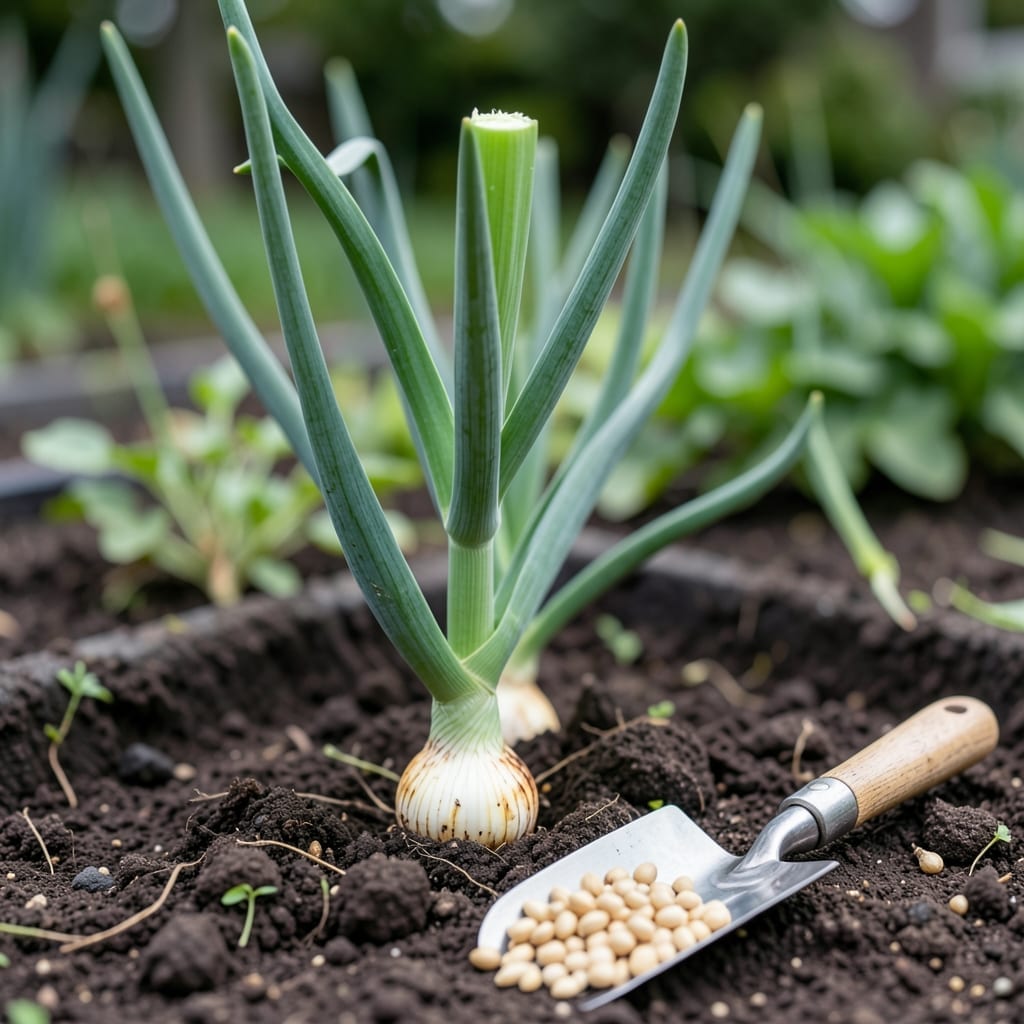
Timing is everything when growing flavorful onions in North Carolina—plant too early or too late, and you risk small bulbs or poor yields. The 🧅 onion thrives when planted during specific windows in our state’s unique climate.
From the coastal plains to the mountain regions, North Carolina’s varying conditions demand precise scheduling. I’ve tested these timing strategies myself, and the results speak for themselves.
You’ll discover the exact seasonal windows for both spring and fall planting, tailored to zones 7b-8a. No more guessing when to get those sets or seeds in the ground.
Let me walk you through the calendar so you can harvest sweet, plump onions every time. The difference is in the timing.
North Carolina’s diverse climate means your onion planting schedule varies by region. The coastal plain warms up earliest, while the mountains stay cooler longer. I always check my local frost dates first.
For most of the state, spring planting happens 4-6 weeks before the last frost. In the Piedmont region, that’s typically mid-March. The coastal areas can start even earlier in late February.
| Region | Spring Planting | Fall Planting | Varieties |
|---|---|---|---|
| Coastal Plain | Late Feb – Early March | Mid-Sept – Early Oct | Short-day |
| Piedmont | Mid-March – Early April | Late Sept – Mid-Oct | Short-day |
| Mountains | Late March – Early April | Early Oct | Intermediate-day |
I recommend short-day onion varieties for most of North Carolina. These form bulbs with 10-12 hours of daylight, perfect for our latitude. Yellow Granex and Texas Early White are excellent choices.
The mountain region can try intermediate-day varieties like Candy or Red Creole. These need 12-14 hours of daylight to bulb properly, which works well in the higher elevations.
For fall planting, timing is critical. You want onions to establish roots but not sprout tops before winter. In the coastal areas, plant 6-8 weeks before the first frost, usually around November 1st.
In the Piedmont, aim for late September plantings. The mountains should wait until early October. Remember, fall-planted onions will overwinter and be ready for early summer harvest.
Soil temperature is another key factor. Onion seeds germinate best at 50-75°F. I use a soil thermometer to check conditions before planting. If the soil is too cold, seeds may rot.
For onion sets, you can plant a bit earlier as they’re more cold-tolerant. Just be sure to mulch heavily if late frosts are forecasted. This protects the young plants from temperature swings.
I’ve found that well-draining soil is essential for onions in North Carolina. Our clay soils can hold too much moisture, leading to rot. Amending with compost or sand improves drainage significantly.
Lastly, remember that day length affects bulb formation. Planting at the right time ensures your onions get the proper daylight hours to develop those perfect bulbs we all love to grow. ☀️
Choosing the right onion variety makes all the difference in North Carolina. Our humid summers and mild winters favor certain types that thrive where others might struggle. I’ve tested dozens over the years.
For most gardeners, short-day onions are the top pick. These form bulbs with 10-12 hours of daylight, perfect for our latitude. They’re ideal for both spring and fall planting in the state.
| Variety | Day Length | Flavor | Storage |
|---|---|---|---|
| Yellow Granex | Short-day | Sweet, mild | Short-term |
| Texas Early White | Short-day | Mild, crisp | Moderate |
| Red Creole | Intermediate | Sharp, spicy | Long-term |
Yellow Granex is my go-to for sweet onions. It’s the classic Vidalia-type that does exceptionally well in our sandy loam soils. The bulbs stay mild even when fully mature.
If you prefer a bit more bite, Red Creole is an excellent choice. This intermediate-day variety handles our temperature swings well and stores beautifully. It’s perfect for the mountain regions.
For those in the Piedmont, Texas Early White offers a great balance. It matures quickly and produces consistent bulbs even in our unpredictable springs. I’ve had great success with this variety year after year.
Remember, soil type matters too. Onions prefer loose, well-draining soil with plenty of organic matter. Amend heavy clay with compost or aged manure before planting.
Lastly, consider your harvest goals. Short-day varieties like Yellow Granex are best for fresh eating, while Red Creole stores well for winter use. Choose based on how you plan to use your harvest. 🌱