
Beautiful Plants For Your Interior
Beautiful Plants For Your Interior
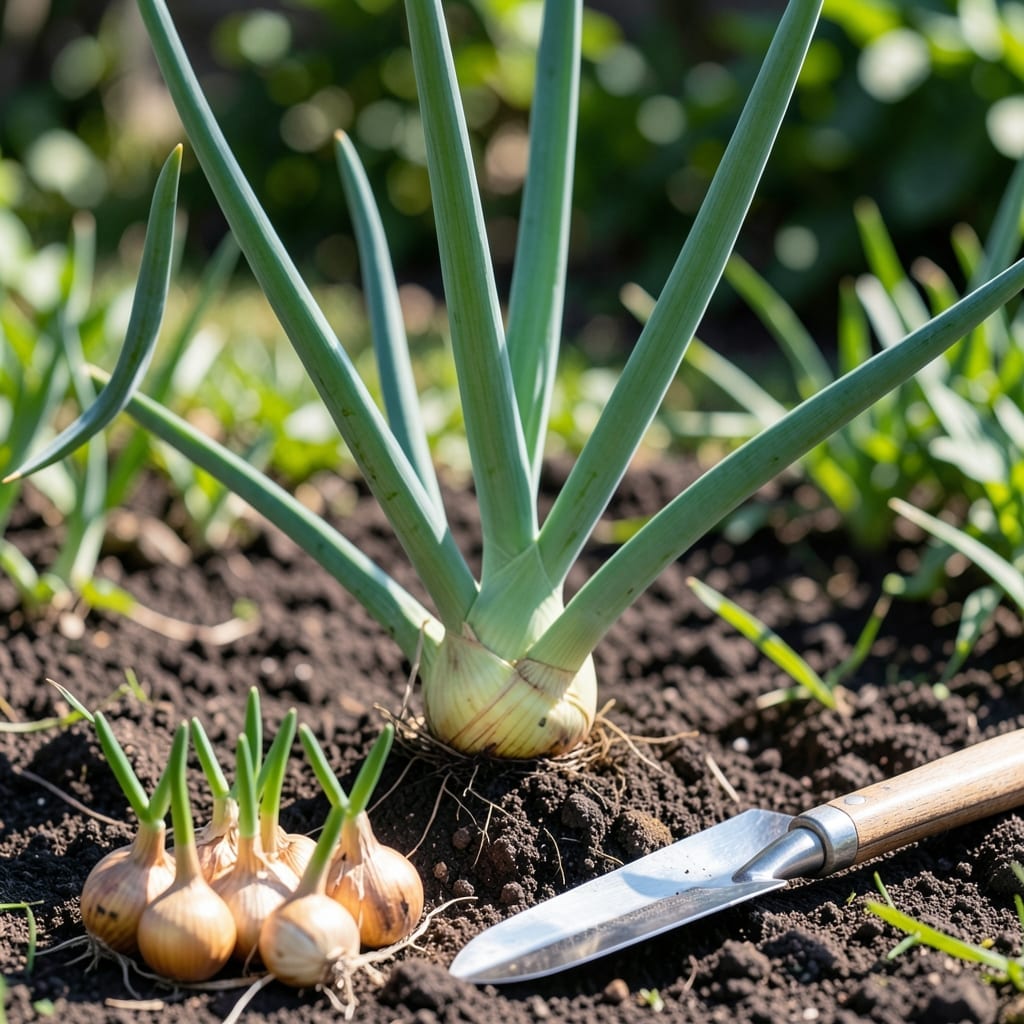
Timing is everything when it comes to growing Onion 🧅 in Kentucky. Plant too early or too late, and you risk poor yields or stunted bulbs.
In our state’s 6b zone, the window from February to April offers the sweet spot for setting your crop up for success.
I’ve learned through experience that getting this timing right means the difference between a mediocre harvest and abundant, flavorful bulbs come summer.
Discover how to align your planting with Kentucky’s unique climate and frost dates to maximize your Onion yield this growing season.
Getting the timing right for onion planting in Kentucky can make or break your harvest. The Bluegrass State spans USDA zones 6a to 7a, so your exact planting window depends on your location. Generally, early spring and fall are ideal for different onion types.
For spring-planted onions, aim to get sets or seeds in the ground 4-6 weeks before your last frost date. In most of Kentucky, that means mid-February to early April, but zone 7a gardeners can start even earlier.
| Planting Season | Zone 6a | Zone 6b | Zone 7a |
| Spring Onions | March 1-15 | Feb 20-March 10 | Feb 10-March 1 |
| Fall Onions | Sept 15-30 | Sept 10-25 | Aug 25-Sept 10 |
| Soil Temp | 40-50°F | 40-50°F | 40-50°F |
| Last Frost | April 20 | April 15 | April 10 |
I always check the soil temperature before planting. Onions thrive when soil is at least 40°F, but 50°F is ideal for faster germination. Use a soil thermometer to be sure, especially in early spring when temps fluctuate.
For fall planting, timing is even more critical. You want onions to establish roots before winter but not produce tops. In zone 6a, late September works well, while zone 7a gardeners should plant by early September.
Short-day onion varieties like ‘Texas Early White’ are perfect for Kentucky. They form bulbs with 10-12 hours of daylight, which matches our spring and fall conditions. Long-day types need 14+ hours and won’t bulb properly here.
If you’re starting from seeds indoors, begin 8-10 weeks before transplanting. This gives you a head start, especially for sweet onion varieties that need a longer growing season. Harden off seedlings for 1 week before moving them outside.
Remember that Kentucky’s humid subtropical climate means we often have wet springs. Improve drainage by planting in raised beds or amending heavy clay soil with compost. Onions hate soggy roots more than almost any other vegetable.
For the best results, I mulch heavily with straw to retain moisture and suppress weeds. This is especially important for fall-planted onions that will overwinter. A 2-3 inch layer works wonders without smothering the plants.
Finally, mark your planting dates on a calendar. Kentucky’s weather can be unpredictable, and having a clear timeline helps you stay on track. Whether you’re in Louisville or Lexington, this approach will give your onions the best chance to thrive. 🌱
Kentucky gardeners have two prime windows for onion planting: spring and fall. Each season offers unique benefits and challenges for your onion crop. I’ve found that understanding these differences is key to a successful harvest.
Spring planting typically yields larger bulbs with a longer growing season, while fall planting can produce earlier harvests the following year. The choice depends on your goals and local climate conditions.
| Aspect | Spring Planting | Fall Planting |
| Planting Time | Feb-April | Aug-Sept |
| Harvest Time | June-August | May-June |
| Bulb Size | Larger | Medium |
| Pest Pressure | Higher | Lower |
| Winter Survival | Not Applicable | Requires Mulch |
Spring-planted onions grow during warmer months, which means they face more pest and disease pressure. I recommend using row covers early to protect young plants from onion maggots and thrips.
Fall planting has the advantage of cooler temperatures that deter many pests. However, you’ll need to mulch heavily with straw to protect plants from winter cold. The onions will overwinter and resume growth in early spring.
For sweet onion varieties, spring planting is usually better as they need a longer growing season. Short-day varieties like ‘Red Creole’ adapt well to both seasons in Kentucky’s zones 6a-7a.
Watering needs differ too. Spring onions may need more frequent watering as temperatures rise, while fall-planted onions benefit from natural rainfall and cooler conditions that reduce evaporation.
I’ve had great success with both methods, but I always remind fellow gardeners that fall planting requires precise timing. Plant too early and bulbs may form before winter; too late and roots won’t establish properly. 🌱