
Beautiful Plants For Your Interior
Beautiful Plants For Your Interior
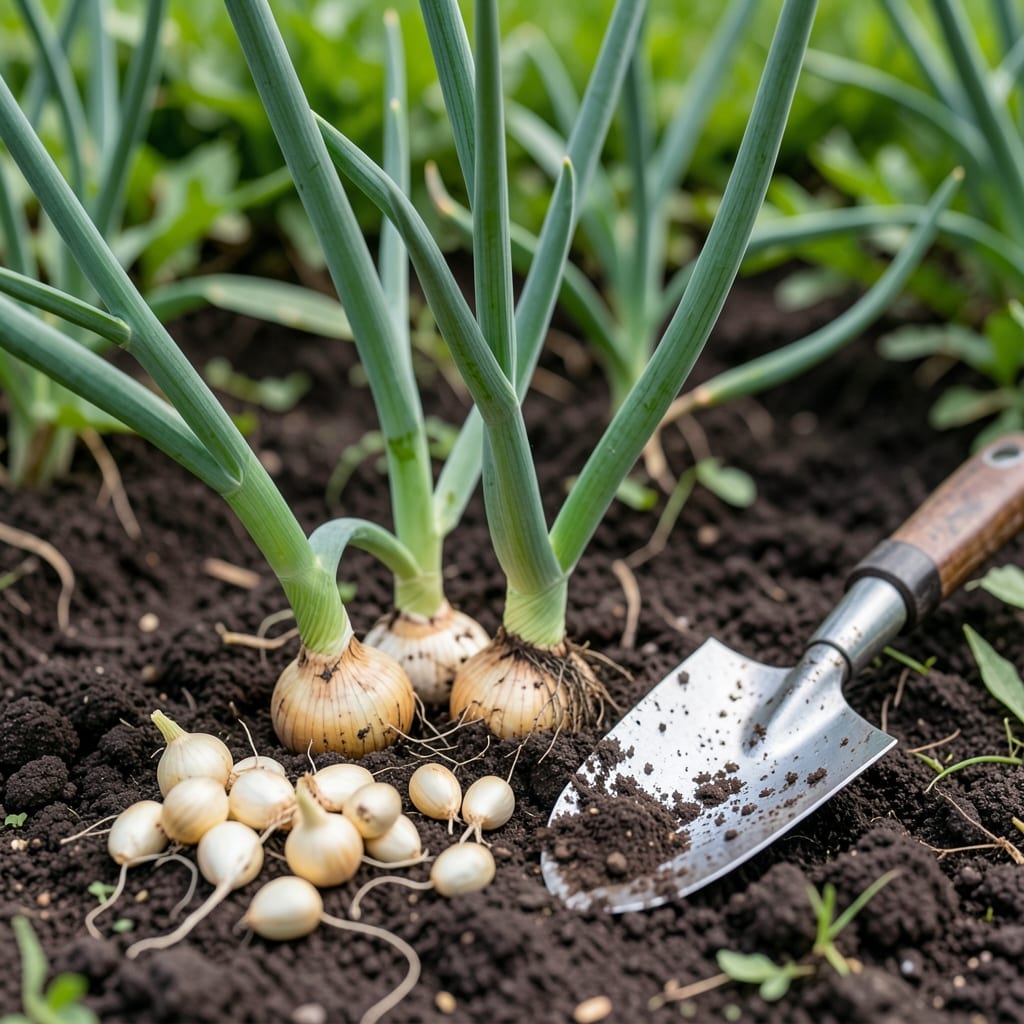
Timing is everything when growing onions in Georgia’s unique climate. Plant too early or too late in Zone 7b-8a, and you’ll miss out on that perfect harvest.
I’ve learned the hard way that spring planting windows here are tight but rewarding. Whether you’re a seasoned gardener or just starting, nailing the schedule makes all the difference.
The 🧅 onion thrives when the soil and weather align just right. Get this wrong, and you’re left with stunted bulbs or a failed crop.
Discover the exact months to plant for bigger, sweeter yields in GA. Let’s break down what works and why timing is your secret weapon.
Getting your onion planting timing right is crucial in Georgia’s Zone 8 climate. The state’s mild winters and hot summers create two ideal windows for planting: early spring and fall. I’ve found that timing around frost dates makes all the difference.
For spring planting, aim for February to early March. This gives your onions time to establish before the April 15 last frost. Soil temps should be 50°F or warmer for best germination. Fall planting works well from September to October, harvesting before the first frost.
| Planting Window | Action | Key Notes |
|---|---|---|
| February – March | Sow seeds/sets | 4-6 weeks before last frost |
| April | Transplant seedlings | If started indoors |
| September – October | Plant for fall harvest | Before first frost |
| November | Protect young plants | From early cold snaps |
I always check soil temperature with a thermometer before planting. Onions need consistent moisture but hate soggy soil, so well-draining beds are essential. In my experience, raised beds work particularly well in Georgia’s clay-heavy soil.
For spring onions, you’ll typically harvest in May to July. Fall-planted onions mature the following spring. Remember that day length affects bulbing—Georgia’s latitude favors short-day varieties like Texas Early White or Yellow Granex.🌱
The ideal soil pH for onions is 6.0-7.0. I recommend testing your soil and amending with lime if needed. Work in plenty of compost for nutrient-rich soil that retains moisture without waterlogging.
Spacing is another key factor. Plant onion sets 4-6 inches apart in rows 12-18 inches apart. For seeds, sow ¼ inch deep and thin to 4 inches apart once seedlings emerge. This gives each plant enough room to develop properly.
Mulching helps retain moisture and suppress weeds. I use straw or shredded leaves around my onion plants. Just keep the mulch 2-3 inches away from the stems to prevent rot. Water deeply once a week unless rain provides adequate moisture.
Watch for pest pressures common in Georgia, like onion thrips and root maggots. Crop rotation and row covers can help prevent these issues. I’ve had success with companion planting carrots and lettuce near my onions.
Finally, remember that Georgia’s climate can vary. Coastal areas may plant 2-3 weeks earlier than northern regions. When in doubt, check with your local extension office for hyper-local advice. With the right timing and care, you’ll be rewarded with plump, flavorful onions all season long.🌿
Choosing the right onion variety for Georgia’s Zone 8 climate is just as important as timing. I’ve tested several types and found that short-day onions perform best here. They form bulbs with 10-12 hours of daylight, perfect for our latitude.
Texas Early White and Yellow Granex are my top picks for spring planting. Both thrive when sown February to March and produce sweet, mild bulbs. Red Creole is another favorite, offering a spicy kick and great storage life.🌱
| Variety | Type | Planting Time | Flavor Profile |
|---|---|---|---|
| Texas Early White | Short-day | Feb-Mar | Mild, sweet |
| Yellow Granex | Short-day | Feb-Mar | Very sweet |
| Red Creole | Short-day | Feb-Mar | Spicy, bold |
| Candy | Intermediate-day | Sep-Oct | Sweet, mild |
For fall planting, I recommend Candy, an intermediate-day variety. It handles our milder winters well when planted September to October. These onions mature the following spring, giving you an early harvest.
Day length is the key difference between varieties. Short-day onions bulb quickly in our longer winter days, while intermediate-day types need slightly more daylight. Avoid long-day onions—they struggle to form bulbs in Georgia’s climate.
Each variety has its unique benefits. Texas Early White is great for fresh eating, while Red Creole stores exceptionally well. I plant a mix to enjoy fresh onions all season and have some for winter storage.🌿
Remember, soil preparation matters just as much as variety selection. Work in plenty of compost before planting, and maintain consistent moisture. With the right variety and timing, you’ll enjoy bountiful onion harvests year after year.