
Beautiful Plants For Your Interior
Beautiful Plants For Your Interior
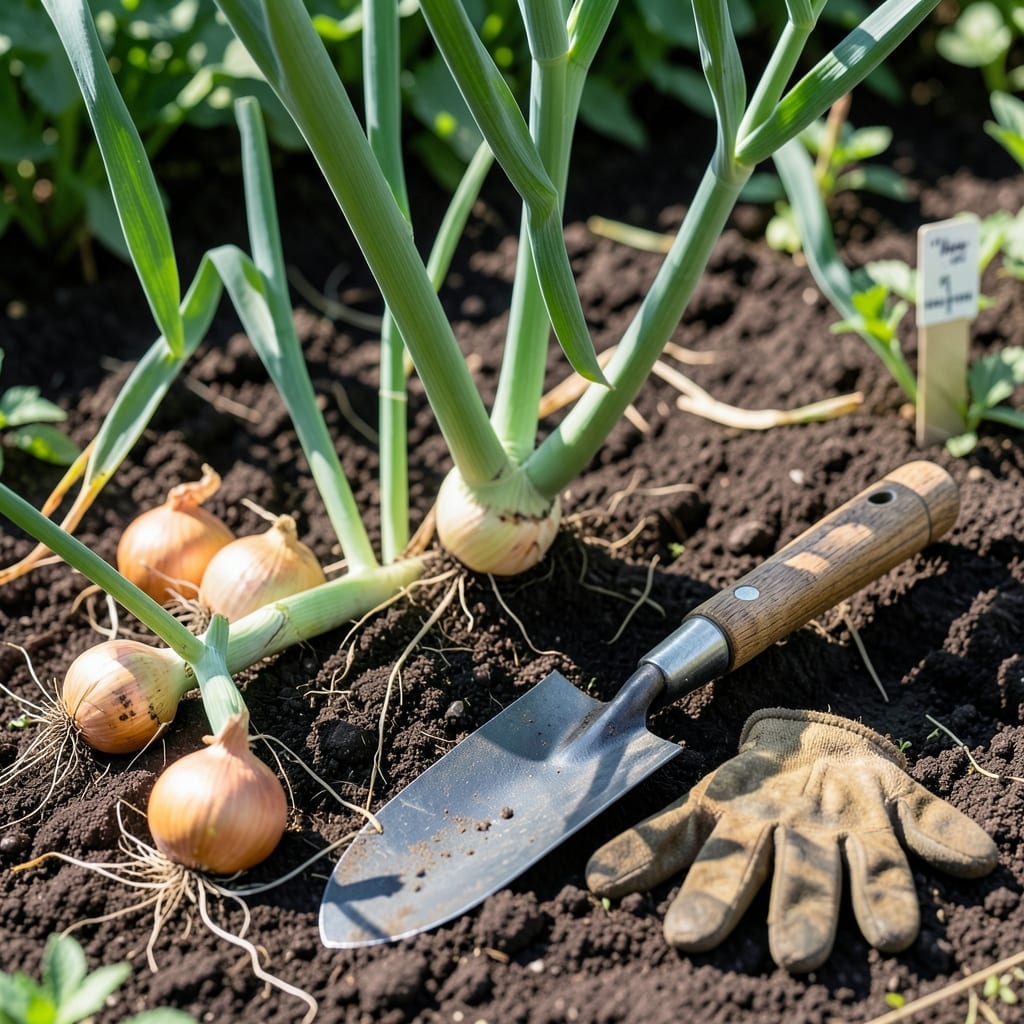
Timing is everything when planting 🧅 Onion sets in Colorado—plant too early and frost can ruin your crop, too late and you’ll miss the sweetest harvest window.
Colorado’s unpredictable weather, especially in zones 5b-7a, makes nailing the schedule crucial. You want those sets in the ground when the soil is workable but the risk of hard frost has passed.
I’ve learned through trial and error that getting this right means the difference between a mediocre yield and a bumper crop. The good news? It’s simpler than you might think.
Discover the exact timing that works for your area and how to set yourself up for success from day one. Let’s get those Onions growing.
Colorado’s diverse USDA zones (3-7) mean onion planting times vary. In zone 5b (Denver), I plant sets 4-6 weeks before the last frost, typically early April. This gives bulbs time to mature before summer heat.
For higher elevations (zones 3-4), wait until mid-May when soil warms to 50°F. In warmer zones like 6-7 (Pueblo), late March works if soil is workable.
| USDA Zone | Planting Window | Last Frost Date |
|---|---|---|
| 3-4 | Mid-May | June 1 |
| 5a-5b | Early April | May 10 |
| 6-7 | Late March | April 20 |
I always check soil temperature with a thermometer. Onion sets need 45-55°F to root properly. If soil is too cold, they may rot or fail to sprout.
In my experience, short-day onions perform best in Colorado. Varieties like Yellow Granex or Texas Early White adapt well to our shorter daylight hours during bulb formation.
For long-day onions, try Sweet Sandwich or Ailsa Craig. These need 14+ hours of daylight, so they’re better for northern Colorado where summer days are longer.
I prepare beds by adding compost and ensuring well-draining soil. Onions hate wet feet, so I amend heavy clay with sand or perlite. A pH of 6.0-7.0 is ideal.
After planting, I mulch with straw to retain moisture and suppress weeds. Water 1 inch per week, but reduce as bulbs mature to prevent rot.
Watch for frost warnings in early spring. If a late freeze is forecast, I cover sets with frost cloth or old blankets overnight.
In Colorado’s unpredictable climate, I also use row covers to protect young plants from wind and temperature swings. This helps them establish faster.
Remember, onion sets are hardier than seeds, but timing is still critical. Planting too late can result in small bulbs that don’t store well.
I’ve found that sets planted in April typically yield the largest, sweetest onions by July or August. Always rotate crops to prevent disease buildup in the soil. 🌱
Colorado’s weather keeps gardeners on their toes, but I’ve found that onion sets thrive when you work with the climate, not against it. Late frosts are the biggest threat, so timing and preparation are everything.
I always plant my sets 4-6 weeks before the last frost date, which is around May 10 for most of the state. This gives them time to establish roots before the heat of summer kicks in.
When planting, I make sure the soil is workable and dry—onion sets hate sitting in cold, wet earth. A quick soil test can save you a lot of trouble down the line.
For extra protection against Colorado’s temperature swings, I add a layer of mulch after planting. This keeps the soil warm and moist, which is just what onion sets need.
If you’re in a higher elevation, you might need to wait a bit longer. Zone 3-4 gardeners often plant closer to early May to avoid frost damage, while Zone 7 can start in late March.
Finally, don’t forget to harden off your sets if you start them indoors. A week of gradual exposure to outdoor conditions makes all the difference in Colorado’s finicky climate 🌱