
Beautiful Plants For Your Interior
Beautiful Plants For Your Interior
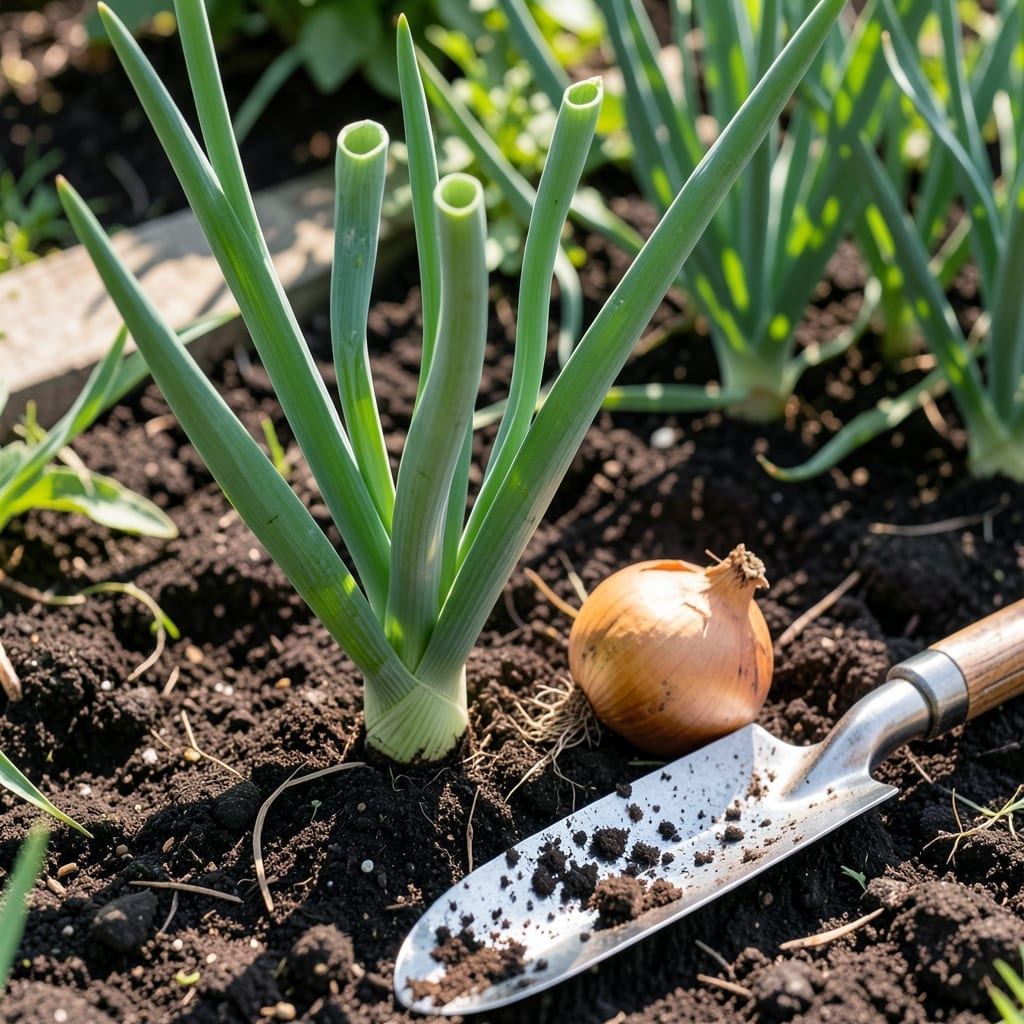
Timing is everything when planting onion bulbs in Colorado’s unpredictable climate. Get it right, and you’ll harvest sweet, plump 🧅 by summer—get it wrong, and you risk stunted growth or frost damage.
In Zone 5b-7a, the window is tight but rewarding. Planting too early means battling late frosts, while waiting too long shortens your growing season. I’ve learned the hard way that precision matters here.
What if you could avoid those costly mistakes? The good news is that with the right timing and preparation, you can set your Onion crop up for success from the start.
Discover the exact conditions and timing that turn Colorado’s challenges into your advantage. Let’s get your garden growing the right way.
Colorado’s Zone 5 climate demands precise timing for planting onion bulbs. The key is soil temperature—aim for 40-50°F at planting depth. This usually falls in late March to early April, right as the soil becomes workable.
I’ve found that planting too early risks frost damage, while waiting too long shortens the growing season. Front Range gardeners often plant earlier than those on the Western Slope due to microclimates.
| Stage | Action | Timing |
|---|---|---|
| Soil Prep | Loosen soil, add compost | Early March |
| Planting | Set bulbs 1 inch deep, 4-6 inches apart | Late March-April |
| Fertilize | Apply 10-10-10 balanced fertilizer | At planting, then monthly |
| Harvest | When tops yellow and fall over | July-August |
For early spring planting, I recommend starting 2-4 weeks before the last frost date, which is around May 15 in most of Colorado. This gives bulbs time to establish before summer heat.
Fall planting is riskier but possible in milder areas. Plant 4-6 weeks before the first frost, typically by early October. Overwintering onions need mulch protection from freezing temperatures.
Soil temperature is more critical than air temperature. Use a soil thermometer to check—below 40°F slows growth, while above 75°F can stress young bulbs.
Colorado’s dry climate means you’ll need to water consistently after planting. Keep soil moist but not soggy to prevent rot. A 2-inch mulch layer helps retain moisture in our arid conditions.
Regional differences matter. Denver metro gardeners often plant earlier than those in high-altitude areas like Summit County. Always adjust based on your local microclimate and elevation.
For biggest harvests, choose long-day onion varieties like ‘Sweet Sandwich’ or ‘Yellow Sweet Spanish’. These perform best in Colorado’s 15-16 hour summer daylight periods.
Remember, onion bulbs need full sun—at least 6-8 hours daily. In shady spots, you’ll get more greens than bulbs. Test different areas of your garden to find the sunniest spot.
Finally, soil pH should be between 6.0-7.0. If your soil is too acidic, add lime before planting. A simple soil test can save you from poor germination issues.☀️
Planting onion bulbs in Colorado requires careful soil preparation. I always start by loosening the soil to 12 inches deep and mixing in 2-3 inches of compost for better drainage and fertility.
This ensures the bulbs have room to expand and access to nutrients. Colorado’s clay-heavy soils benefit greatly from this extra effort, preventing waterlogging that can rot the bulbs.🌱
1. Loosen soil to 12 inches deep and add compost
2. Plant bulbs 1 inch deep, 4-6 inches apart
3. Water thoroughly after planting to settle soil
4. Apply mulch to retain moisture and regulate temperature
5. Fertilize lightly with 10-10-10 every 4-6 weeks
When planting, I set the bulbs 1 inch deep and 4-6 inches apart. This spacing allows for good air circulation, which helps prevent fungal diseases common in Colorado’s humidity swings.
After planting, I water thoroughly to help the soil settle around the bulbs. In Colorado’s dry climate, I recommend 1 inch of water per week, adjusting for rainfall. Morning watering is best to reduce evaporation.
A 2-inch layer of mulch is my secret weapon. It keeps the soil temperature stable and retains moisture, which is crucial during Colorado’s unpredictable spring weather. Straw or shredded leaves work well.
For ongoing care, I apply a balanced 10-10-10 fertilizer every 4-6 weeks. This gives the bulbs a steady supply of nutrients without overwhelming them. Always water after fertilizing to prevent root burn.
Finally, keep an eye on pest threats like onion maggots. I use row covers early in the season to protect young plants. With these steps, you’ll be well on your way to a bountiful onion harvest.☀️