
Beautiful Plants For Your Interior
Beautiful Plants For Your Interior
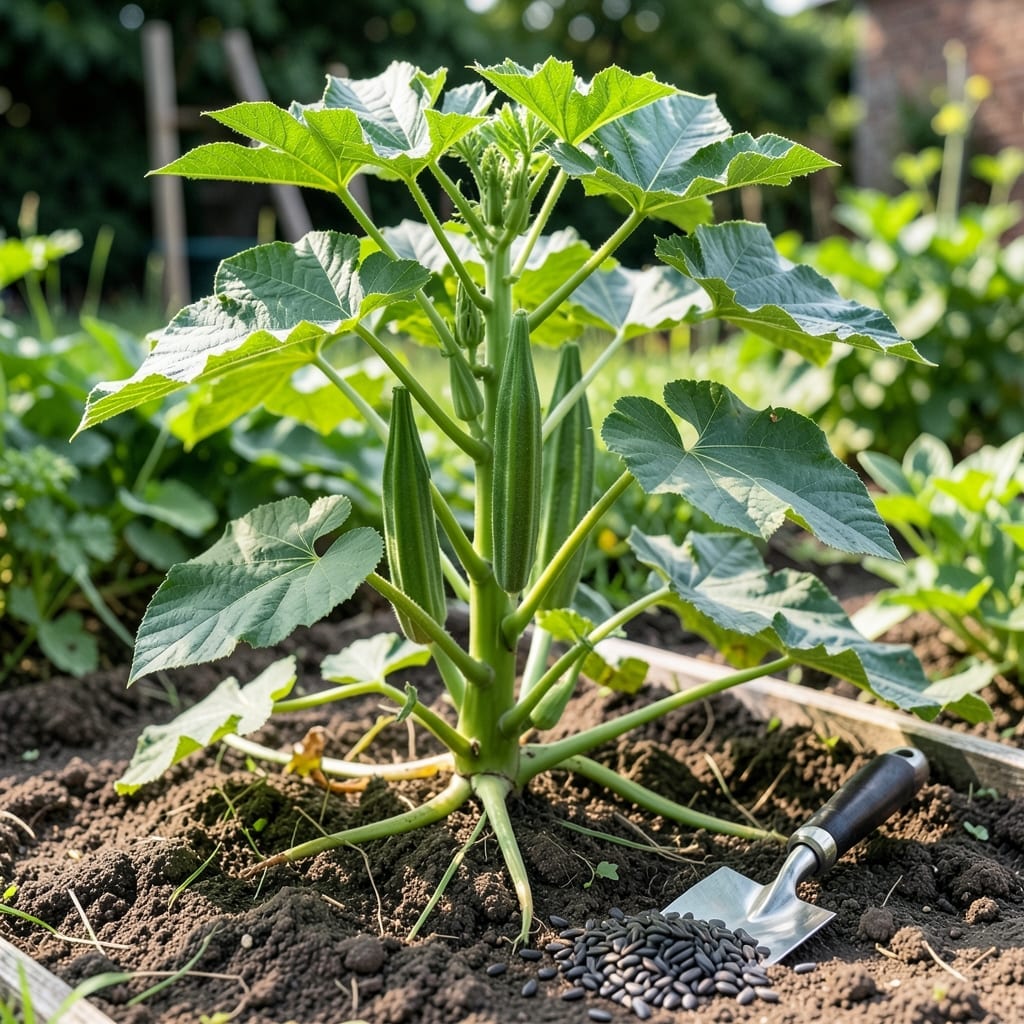
Timing is everything when planting Okra in Oklahoma’s Zone 7a climate. Plant too early and frost can wipe out your seedlings. Wait too long, and you’ll miss the peak growing window.
In our state, the spring planting window for this heat-loving vegetable is narrow but most important. The soil needs to be warm enough to support germination and early growth.
I’ve learned through experience that getting this timing right means the difference between a bountiful harvest and a disappointing one. The good news is that with the right approach, you can set yourself up for success.
Learn how to hit that sweet spot where your 🌱 Okra plants will thrive from the very beginning. The rewards are well worth the effort.
In Oklahoma’s Zone 7, timing your okra planting is critical for success. I’ve found that soil temperature must be at least 65°F, but ideally between 70-85°F for optimal germination. Planting too early risks frost damage.
The last frost date in most of Oklahoma is around April 15. I recommend waiting until at least this date, or even early May, to ensure warm soil for your okra seeds. This timing helps avoid cold shock.
| Requirement | Specification |
|---|---|
| Ideal Planting Months | April, May, June |
| Soil Temperature | 70-85°F |
| Last Frost Date | April 15 |
| Sunlight Needs | Full sun (6+ hours) |
| Harvest Window | July-October |
I always check the 10-day forecast before planting. Okra seeds won’t germinate in cold soil, and young plants are sensitive to temperature drops below 50°F. Patience pays off with stronger plants.
For the best yields, I plant my first batch in late April and a second batch in early June. This staggers the harvest and takes advantage of Oklahoma’s long growing season. The heat-loving nature of okra thrives in our summers.
The okra plant grows quickly in warm weather. With proper timing, you can expect to start harvesting pods in 50-60 days. I’ve had great success with this schedule in my own garden.
Remember that soil prep is just as important as timing. I work in plenty of compost before planting to give my okra the best start. Well-draining soil prevents waterlogging, which okra dislikes.
If you’re eager to get a head start, you can begin seeds indoors 3-4 weeks before the last frost date. Just be sure to harden off the seedlings before transplanting them outside.
Oklahoma’s hot summers are perfect for okra, but I’ve learned to watch for drought stress. Consistent watering, especially during pod formation, is key to preventing tough, fibrous pods.
Finally, I always mark my planting dates on the calendar. This helps me track progress and plan for successive plantings. With the right timing, you’ll enjoy a bountiful okra harvest all summer long 🌱
To maximize your okra harvest in Oklahoma, timing and preparation are key. I always recommend starting with well-draining soil enriched with compost to give your plants a strong foundation.
Since okra thrives in hot weather, planting after the last frost when soil temps hit 70°F ensures quick germination. In Zone 7, this usually means mid-April to early June for the best results.
Once your seedlings emerge, I suggest thinning them to 12-18 inches apart to prevent overcrowding. This spacing allows for better air circulation and reduces disease risk in our humid summers.
For a continuous harvest, I plant a new batch of seeds every 2-3 weeks through early summer. This staggering method keeps my kitchen stocked with fresh pods all season long.
Don’t forget that okra is drought-tolerant once established, but consistent watering during the first few weeks is crucial. I water my plants deeply once a week, more often during extreme heat waves.
Finally, I’ve found that adding a 2-3 inch layer of mulch helps retain moisture and suppress weeds. This simple step can make a noticeable difference in your plants’ health and productivity. 🌿