
Beautiful Plants For Your Interior
Beautiful Plants For Your Interior
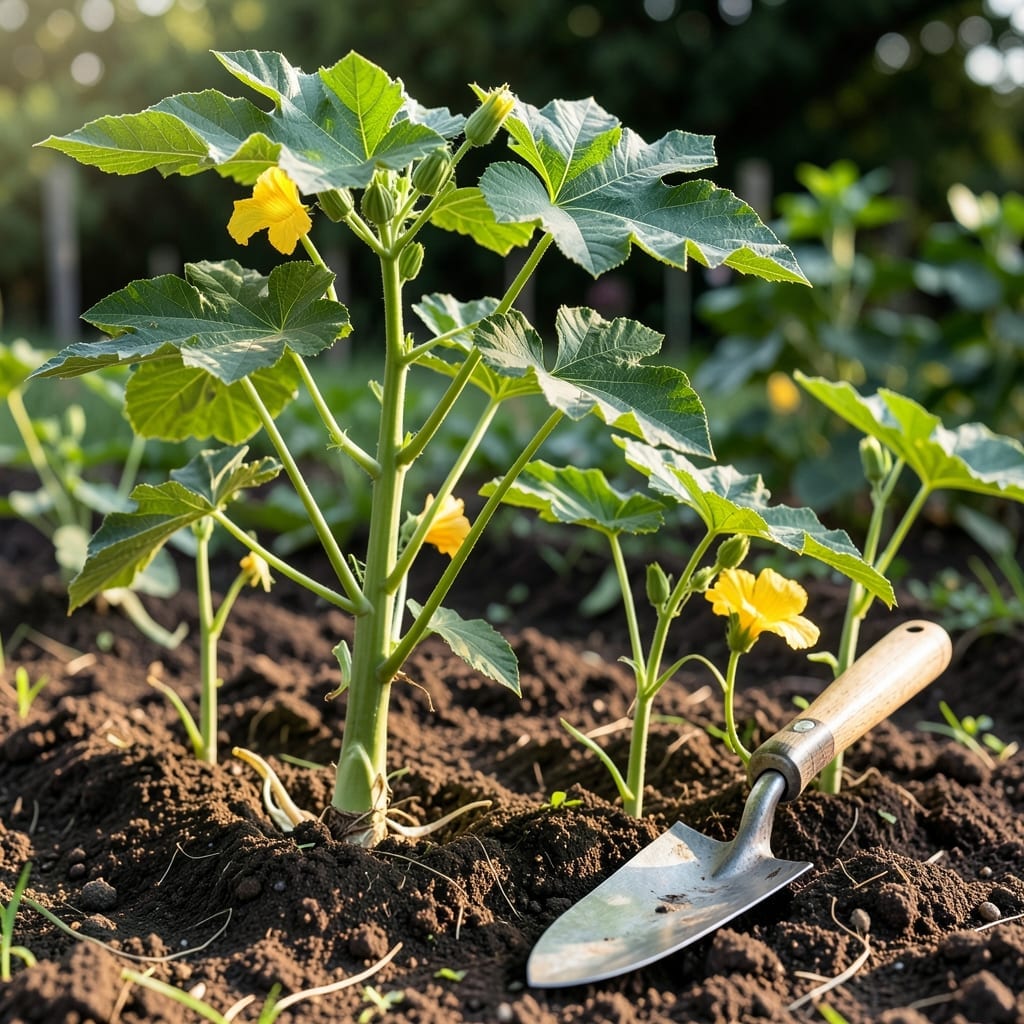
Timing is everything when growing Okra in South Carolina’s humid climate. Plant too early and frost can kill your seedlings; plant too late and you’ll miss the peak growing season.
Discover the perfect window for zone 8a gardeners to achieve a thriving Okra harvest. The difference between success and disappointment often comes down to just a few weeks.
I’ve learned through experience that Okra thrives when the soil is warm and the days are long. Getting this right means you’ll enjoy a bountiful harvest from July to October.
Let me share the exact timing and preparation tips that will set your garden up for success this season.
In South Carolina’s zone 8, okra thrives in warmth, so timing your planting is key. I always wait until soil temps hit 70°F and the last frost has passed, typically mid-April for most of the state. This ensures seedlings aren’t shocked by unexpected cold snaps. 🌱
For a fall harvest, I plant a second crop in late July to early August. Okra loves the heat, but it needs 90-100 days to mature, so late plantings must go in early enough to beat the first frost, usually around November 1st. 🌿
🌿 SC Okra Planting Timeline
| Stage | Action | Timing |
|---|---|---|
| Spring Planting | Sow seeds outdoors | Mid-April to May |
| Soil Temp | Minimum 70°F | Use soil thermometer |
| Fall Planting | Sow for late harvest | Late July to Early August |
| Frost Dates | Last frost April 15 | First frost Nov 1 |
| Maturity Time | 50-70 days | Harvest July-October |
I’ve found that starting seeds indoors isn’t usually necessary for okra in SC. The season is long enough that direct sowing works well, but if you’re eager, you can start seeds indoors 4-6 weeks early for a head start. Just be sure to harden them off before transplanting. 🌱
Okra is drought-tolerant once established, but young seedlings need consistent moisture. I water deeply once a week unless we’ve had significant rain. Mulching helps retain moisture and keeps weeds down, which is a game-changer in SC’s humid summers. ☀️
For the best results, choose a fast-maturing variety like ‘Clemson Spineless’ or ‘Emerald’. These types are perfect for SC’s climate and will give you tender pods in about 60 days. I’ve had great success with both in my own garden. 🌿
If you’re in the coastal areas of SC, you might get away with planting a bit earlier, thanks to the moderating influence of the ocean. But inland, stick to the mid-April start date to avoid any risk of late frosts. Always check your local frost dates for precision. 🌡️
Don’t forget that okra loves full sun—at least 6-8 hours daily. In my experience, the more sun it gets, the better the yield. If your garden has shady spots, save those for other crops and give your okra the hottest, sunniest spot you can. ☀️
Finally, I recommend succession planting every 2-3 weeks through early summer. This way, you’ll have a steady supply of okra pods all season long, rather than one big harvest. It’s a simple trick that makes a huge difference. ✂️
Growing okra in South Carolina means working with our warm, humid climate. I’ve found that soil prep is half the battle—this plant demands well-draining soil to prevent root rot in our heavy rains.
Start by testing your soil pH—okra prefers 6.0 to 6.8. Mix in aged compost for nutrients and sand if your soil is too heavy.
⚠️ Avoid Overwatering: Okra hates soggy roots. Water 1 inch per week but let soil dry between waterings. Morning watering prevents fungal issues in SC’s humidity.
Space okra plants 12-18 inches apart in rows 3 feet apart. This gives them room to grow 4-6 feet tall while allowing air circulation to ward off pests.
Watch for aphids and stink bugs, common in SC gardens. I use neem oil or insecticidal soap at first sign. Handpick pests early to avoid infestations.
Mulch heavily with straw to retain moisture and suppress weeds. This is crucial during SC’s hot summers when soil can dry out fast.
Finally, harvest pods every 2-3 days when they’re 3-4 inches long. Letting them grow larger makes them tough and reduces plant productivity. 🌱