
Beautiful Plants For Your Interior
Beautiful Plants For Your Interior
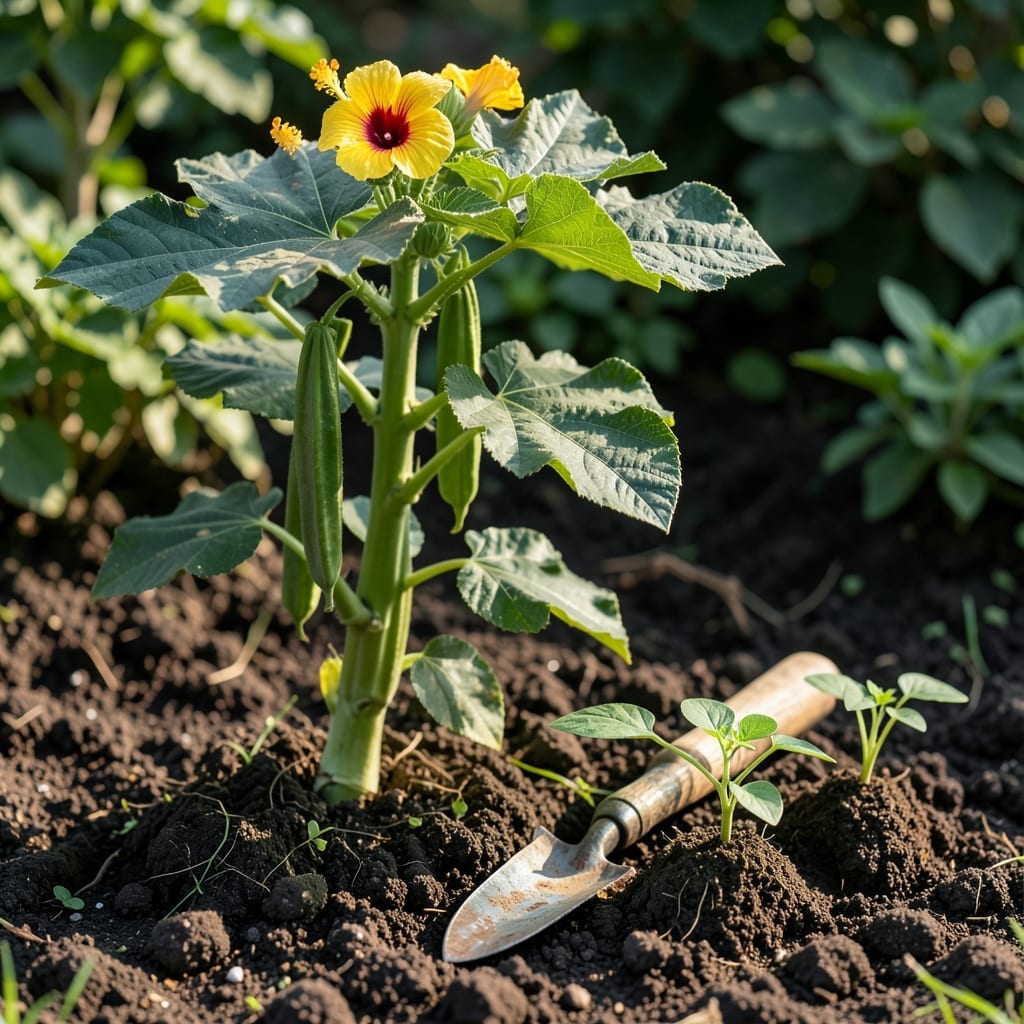
Timing is everything when growing Okra in Arizona’s intense climate. Plant too early or too late, and you might miss the perfect window for a thriving harvest.
The desert’s scorching summers are ideal for this heat-loving crop, but getting the schedule right makes all the difference. I’ll share the exact planting dates for Zone 9b to help you succeed.
With the right timing, you can enjoy crisp, flavorful pods from May through October. Let’s dive into the details so you can plan with confidence.
Discover how to align your planting with Arizona’s unique seasons for the best results. Your garden will thank you.
In Arizona’s low desert, the best time to plant okra is from mid-March to April. This window ensures soil temperatures hit the ideal 70-85°F range for germination. I always check soil temps with a thermometer before sowing.
For high desert regions, wait until late April or May when frost risks vanish. Okra hates cold, so planting after the last frost date is non-negotiable. Arizona’s long growing season lets you harvest until October or later. 🌱
| Region | Planting Window | Soil Temp |
|---|---|---|
| Low Desert | Mid-March to April | 70-85°F |
| High Desert | Late April to May | 70-85°F |
| Fall Planting | August | 75-85°F |
A late summer planting in August works well for a second harvest. The monsoon season’s moisture can help, but watch for overwatering. I’ve found August plantings thrive if soil stays warm and well-drained.
Okra needs full sun—at least 6-8 hours daily. In Arizona, this is easy, but shade cloth can protect young plants from intense afternoon heat. I use 30% shade cloth for seedlings in peak summer.
Soil prep matters. Sandy loam is ideal, but amending with compost boosts fertility. Okra tolerates poor soil but performs best in well-draining beds. Test your soil’s pH—aim for 6.0-7.5.
In Phoenix or Tucson, start seeds indoors in February for a head start. Transplant when soil warms. This method avoids early season temperature swings that can stress young plants.
Watch for frost warnings. Arizona’s first frost can hit as early as November in high desert areas. Harvest all pods before frost—okra dies at 32°F. I mark my calendar for early November to wrap up the season. ☀️
For heat-tolerant varieties, try ‘Clemson Spineless’ or ‘Emerald’. These handle Arizona’s 100°F+ days better than others. Avoid planting in peak summer—it stresses plants and reduces yields.
Water deeply but infrequently. Okra’s deep roots need 1-2 inches per week. Drip irrigation works best to keep foliage dry and prevent disease. I water my plants every 5-7 days in summer.
Finally, mulch heavily to retain moisture and cool roots. Straw or wood chips work well. This simple step can make or break your okra crop in Arizona’s dry climate. 🌿
Preparing Arizona soil for okra starts with addressing the desert’s sandy, fast-draining conditions. I always amend with 2-3 inches of compost to boost organic matter and moisture retention.
Okra thrives in well-draining soil with a pH of 6.0-7.5. Testing your soil is a game-changer—I use a simple kit to check levels before planting. Adjust with lime or sulfur if needed.
Soil Prep Steps for Okra in Arizona
In Arizona’s dry heat, mulching is non-negotiable. I apply a 3-4 inch layer of straw or wood chips to keep roots cool and reduce evaporation. This also suppresses weeds that compete for water.
Deep watering before planting ensures seeds have the moisture they need to germinate. I soak the bed 12-18 inches deep the day before sowing. This mimics the monsoon rains okra loves.
For best results, plant in raised beds if your soil is heavy clay. Okra’s long taproot needs room to stretch. I’ve seen 30% better growth in raised beds versus in-ground planting.
Finally, space seeds 12-18 inches apart in rows 3 feet apart. This gives each plant enough air circulation to thrive in the heat. Proper spacing also reduces fungal diseases common in crowded gardens.
With these steps, your Arizona okra will have the perfect foundation for a bountiful harvest 🌱