
Beautiful Plants For Your Interior
Beautiful Plants For Your Interior
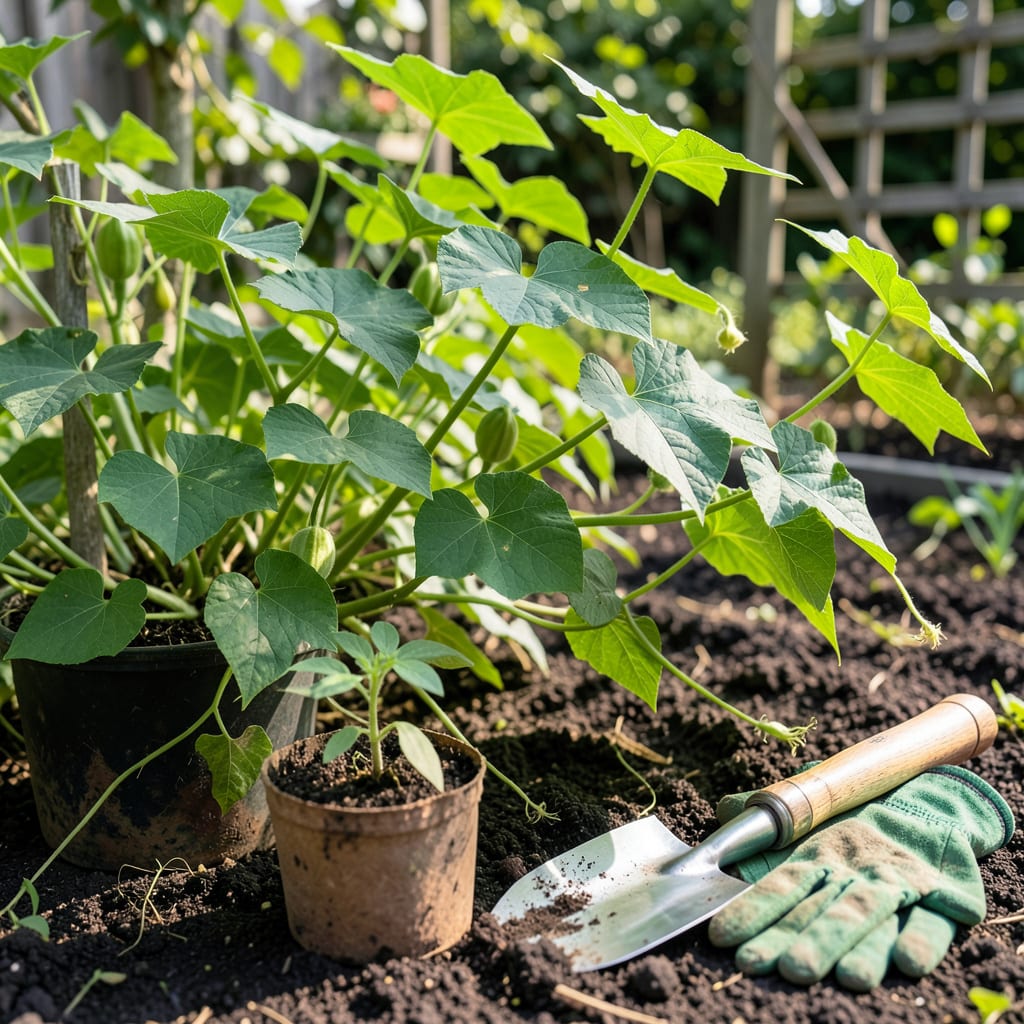
As a Louisiana gardener, you’re probably familiar with the delicious 🥒 mirliton, a staple in our local cuisine. But did you know that timing is everything when it comes to planting these versatile vegetables?
In Louisiana’s 9b climate, the ideal time to plant mirlitons is during the spring season, typically between February and March, after the last frost when soil temperatures reach 65°F.
In Louisiana, the ideal time to plant mirlitons is during the spring season, typically between February and March. This timing is crucial as it allows the plants to mature before the hot summer weather sets in 🌞.
To determine the exact planting time, gardeners should consider the last frost date for their specific region. In Louisiana, the last frost date varies from February 10 in the south to March 20 in the north ⏰.
The spring planting season is preferred because it allows mirlitons to complete their growth cycle before the peak summer heat. Mirlitons require 70-80 frost-free days to mature, making Louisiana’s climate ideal for their cultivation 📆.
While February and March are considered ideal, some gardeners in southern Louisiana may start as early as January if using cold protection methods for potential late frosts ❄️.
It’s essential to monitor soil temperature rather than just calendar dates. Mirlitons thrive when soil temperatures are consistently above 65°F, typically reached in late winter to early spring in Louisiana’s climate 🌡️.
Regional variations exist across Louisiana. Gardeners in north Louisiana should wait until the soil has warmed sufficiently, usually around late March. Those in south Louisiana can plant earlier, typically in February 🌿.
Coastal areas may have different frost dates compared to inland regions. Gardeners should check local frost date charts or consult with local nurseries for the most accurate information 📊.
Microclimates within your garden can also affect planting timing. Areas with cold air pockets or those prone to late frosts may require adjusted planting schedules ❄️.
To ensure successful cultivation, gardeners should also be aware of common pests and diseases that affect mirlitons in Louisiana’s climate. Regular monitoring and appropriate management strategies can help mitigate these issues 🐜.
In summary, while the general planting window for mirlitons in Louisiana is February to March, gardeners must consider their specific location, soil temperature, and local frost dates to optimize their planting schedule 📅.
Preparing soil and plants for mirliton cultivation is a critical step in ensuring a successful harvest. I begin by selecting healthy mirlton ‘vegetables’ to use as seed, choosing those that are firm and free from damage. 🌱
The soil needs to be well-draining and rich in organic matter. I recommend amending the soil with compost or well-rotted manure to improve its fertility and structure.
Test soil pH and adjust if necessary. Mirlitons prefer a slightly acidic to neutral soil pH (around 6.0-7.0).
Choose mirlitons that are firm and free from blemishes. These will produce the best vines.
Plant mirlitons at a 45-degree angle, with the stem end down and the bud end up. Cover with 2-3 inches of soil.
Proper spacing is also crucial. I plant mirlitons 10-15 feet apart in rows that are 6-8 feet apart. This allows the vigorous vines to spread out and receive adequate air circulation and sunlight 🌻.
After planting, I ensure the soil is consistently moist but not waterlogged. Mirlitons require regular watering, especially during dry spells, to produce well 💧.
By following these steps, gardeners in Louisiana can successfully cultivate mirlitons and enjoy a bountiful harvest in the late spring to early summer months 🌼.
Regular monitoring for pests and diseases is also essential. Common issues include aphids, powdery mildew, and root rot. Using organic pest control methods and practicing good garden hygiene can help mitigate these problems 🐜.
In summary, preparing the soil and plants properly is key to growing mirlitons in Louisiana. By following these essential steps, gardeners can set themselves up for success and enjoy a healthy and productive mirliton harvest 📅.
Louisiana’s climate varies significantly across different regions, affecting the ideal time to plant mirlitons. Understanding these regional variations is crucial for successful cultivation 🌿.
In southern Louisiana, the climate is generally warmer, allowing for earlier planting. Gardeners in this region can typically start planting mirlitons in February, after the last frost date ⏰.
For areas near the coast, be aware that cooler ocean breezes may delay soil warming. In contrast, inland areas tend to warm up faster, potentially allowing for slightly earlier planting 🌊.
Central Louisiana experiences a moderate climate, with planting times typically falling between those of the southern and northern regions. Here, gardeners usually start planting mirlitons in late February to early March 📆.
In northern Louisiana, the climate is cooler, and the last frost date is later. Gardeners in this region should wait until March or even early April to plant mirlitons, ensuring the soil has warmed up sufficiently ❄️.
Microclimates within your garden can also impact planting timing. Areas with cold air pockets or those prone to late frosts may require adjusted planting schedules. Monitoring local weather conditions and soil temperature is essential for determining the best planting time 🌡️.
Gardeners should also consider elevation and soil type when planning their mirliton cultivation. Higher elevations may experience cooler temperatures, while different soil types can affect drainage and warmth 🌳.
By understanding and adapting to these regional variations, Louisiana gardeners can optimize their mirliton planting schedule and enjoy a successful harvest 🥒.
Regular monitoring of weather forecasts and soil conditions will help gardeners make informed decisions about the best time to plant mirlitons in their specific region 📊.
Mirlitons thrive when soil temperatures are consistently above 65°F. This temperature is typically reached in late winter to early spring in Louisiana’s climate, making February and March ideal planting months .
Louisiana’s climate varies across regions. Gardeners in southern Louisiana can plant earlier, typically in February, while those in northern Louisiana should wait until March or early April. Coastal areas may experience delayed soil warming due to cooler ocean breezes .
Prepare the soil by amending it with compost or well-rotted manure to improve fertility and structure. Mirlitons prefer well-draining soil with a slightly acidic to neutral pH (around 6.0-7.0) .
Mirlitons require consistent moisture, especially during dry spells. Water them every 2-3 days in summer and weekly in cooler months. Ensure the soil is moist but not waterlogged .
