
Beautiful Plants For Your Interior
Beautiful Plants For Your Interior
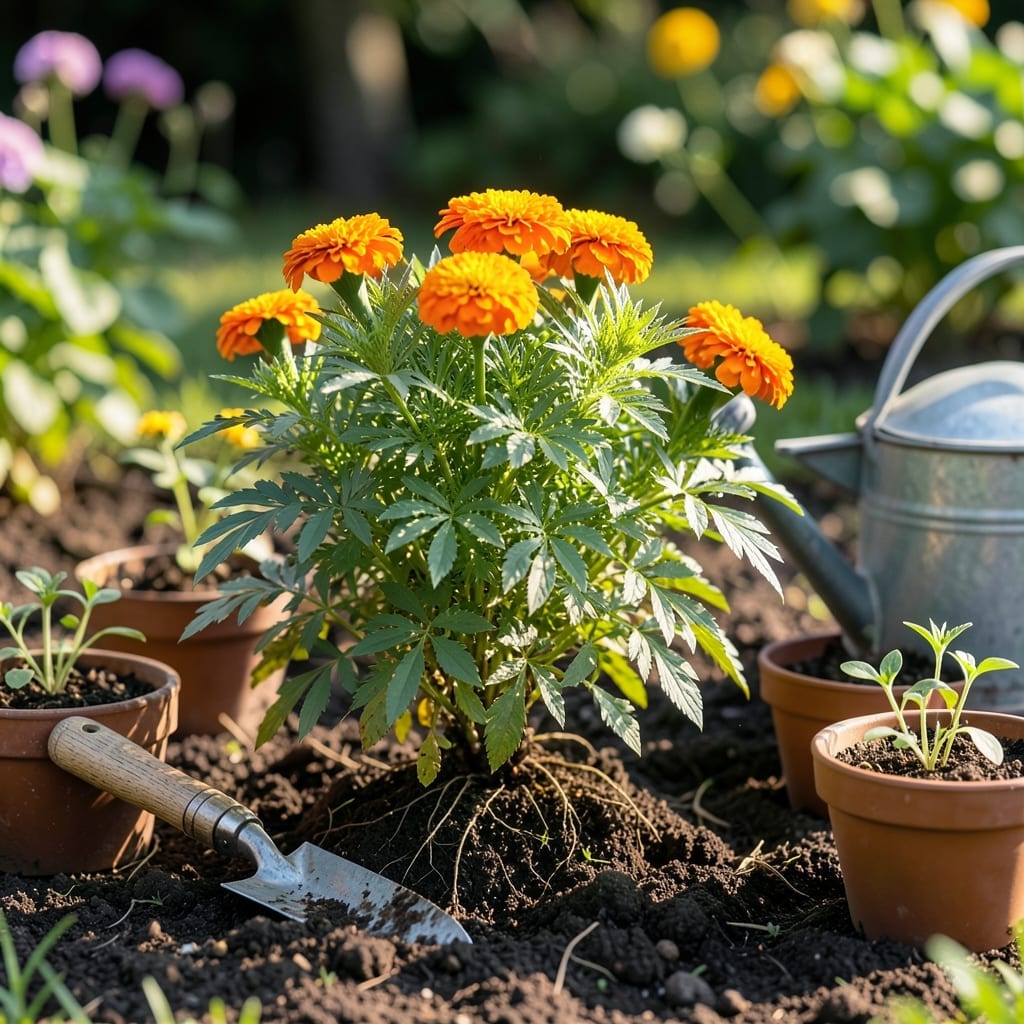
Timing is everything when planting Marigolds in Colorado’s unpredictable climate. Plant too early, and frost can wipe out your seedlings; plant too late, and you’ll miss the vibrant summer blooms these hardy flowers are known for.
The 🌼 Marigold thrives in zones 5b-7a, but Colorado’s elevation changes add complexity. One week it’s sunny and 70°F, the next you’re scrambling to cover plants from a surprise snow.
I’ve learned the hard way that following generic advice doesn’t work here. What you need are Colorado-specific strategies that account for our dramatic temperature swings and short growing season.
Discover the precise window to plant your Marigolds for maximum blooms, and how to protect them from our state’s notorious weather whiplash. Let’s get this right together.
Colorado’s diverse USDA zones (3-7) mean planting times vary. In zone 5b (Denver, Boulder), wait until mid-May after the last frost. Higher altitudes need later planting.
Marigolds thrive in 60°F+ soil, so I always check temperatures before sowing. The Front Range often warms faster than mountain regions.
In zone 3-4 (mountains), I wait until late May or early June. The growing season is shorter, so starting seeds indoors helps.
For zone 6-7 (Grand Junction, Pueblo), you can plant as early as April. The Western Slope has milder winters and earlier warming.
Soil temperature is critical. I use a soil thermometer to confirm it’s at least 60°F before direct sowing marigold seeds.
French marigolds (Tagetes patula) are the hardiest. I plant them 1-2 weeks after the last frost date for my zone. They establish quickly.
African marigolds (Tagetes erecta) need warmer soil. I wait until late spring or start them indoors 6-8 weeks before transplanting.
Colorado’s microclimates can vary greatly. A south-facing wall or urban area may warm faster, allowing earlier planting.
I always harden off seedlings for 7-10 days before transplanting. This helps them adjust to Colorado’s intense sun and wind.
For best results, water deeply after planting and mulch to retain moisture in our dry climate.
Marigolds are drought-tolerant once established, but consistent watering helps them bloom all summer long 🌼
Preparing your garden for marigolds in Colorado requires extra attention to our unique conditions. I always start by testing the soil, as marigolds prefer well-draining soil with a pH between 6.0-7.0. Amend with compost if needed.
Colorado’s dry climate means you’ll need to adjust your watering approach. Marigolds are drought-tolerant once established, but young plants need consistent moisture. Plan for morning watering to reduce evaporation.
Wind protection is crucial in Colorado. I use windbreaks or plant in sheltered spots. Marigolds are tough, but our gusty conditions can damage young plants. Consider planting near fences or using temporary barriers.
For planting method, you have two good options. You can direct sow seeds after the last frost date, or start indoors 6-8 weeks earlier. Transplants give you a head start on blooming, which is valuable in our short season.
Remember that Colorado’s intense sunlight can stress plants. While marigolds love sun, afternoon shade can help in the hottest areas. Watch for leaf scorch and adjust as needed.
Finally, mulch around your plants to retain moisture and regulate soil temperature. This simple step makes a big difference in our dry climate and helps your marigolds thrive.