
Beautiful Plants For Your Interior
Beautiful Plants For Your Interior
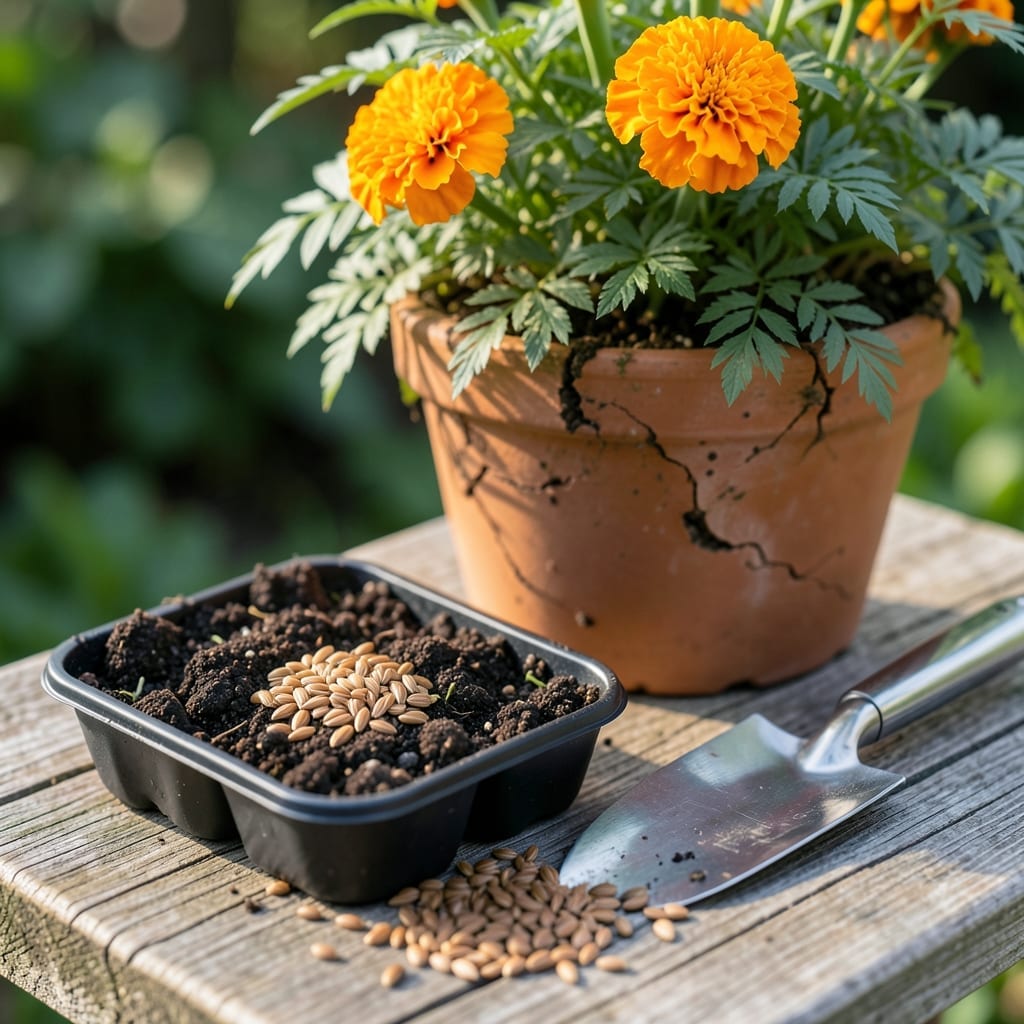
Timing is everything when planting Marigold 🌼 seeds in Zone 7, where the right schedule can mean the difference between struggling seedlings and vibrant, long-lasting blooms.
Get this wrong, and you might find yourself watching wilting flowers instead of enjoying a garden full of color. The good news? With the right approach, you can set your Marigold up for success from the very start.
I’ll walk you through the most important timing considerations so you can plant with confidence and enjoy those cheerful blooms all season long.
In Zone 7, your Marigold seeds thrive when planted after the last frost, typically around April 15. This timing ensures the soil has warmed to at least 70°F, which is critical for germination.
You can also start seeds indoors 6-8 weeks before the last frost date. This gives your seedlings a head start, ready to transplant once the outdoor conditions are ideal.
| Stage | Action | Timing |
|---|---|---|
| Indoor Start | Sow seeds in trays | 6-8 weeks before last frost |
| Outdoor Direct Sow | Plant in garden beds | After soil reaches 70°F |
| Transplant Seedlings | Move indoors starts outside | 2 weeks after last frost |
For fall planting, aim to sow seeds 10-12 weeks before the first frost, around November 1 in Zone 7. This allows plants to establish before winter.
Marigolds are warm-season flowers, so avoid planting too early in cold soil. They’ll struggle to germinate if temperatures dip below 60°F at night.
I always check my soil temperature with a simple thermometer before planting. If it’s consistently 70°F or warmer, it’s go time for direct sowing.
Another tip: Marigolds grow quickly, so don’t start seeds too early indoors. They can become leggy if kept in trays for more than 8 weeks before transplanting.
If you’re eager to get a jump on the season, consider using row covers or cloches to protect early plantings from unexpected late frosts in Zone 7.
Remember, consistent moisture is key during germination. Keep the soil evenly damp but not waterlogged to encourage strong root development.
With the right timing, your Marigolds will reward you with vibrant blooms from early summer through fall. It’s all about working with your zone’s natural rhythm. 🌼
Starting Marigold seeds in Zone 7 gives you two solid options: indoors or direct sowing. I prefer starting indoors 6-8 weeks before the last frost for earlier blooms.
This method lets you control the environment, ensuring consistent warmth and moisture. But direct sowing works well too once the soil hits 70°F in spring.
For indoor starts, use a seed-starting mix and keep trays under grow lights. Maintain 70-75°F for best germination rates.
I’ve found that direct sowing works best in late April for Zone 7. Just ensure the soil is warm and free of frost.
If you choose direct sowing, thin seedlings to 8-10 inches apart. This prevents overcrowding and promotes stronger plants.
Remember, Marigolds dislike soggy soil. Water when the top inch feels dry, and always water at the base to avoid fungal issues.
Whether you start indoors or outdoors, Marigolds reward you with vibrant color and pest-repelling benefits all season long. 🌼