
Beautiful Plants For Your Interior
Beautiful Plants For Your Interior
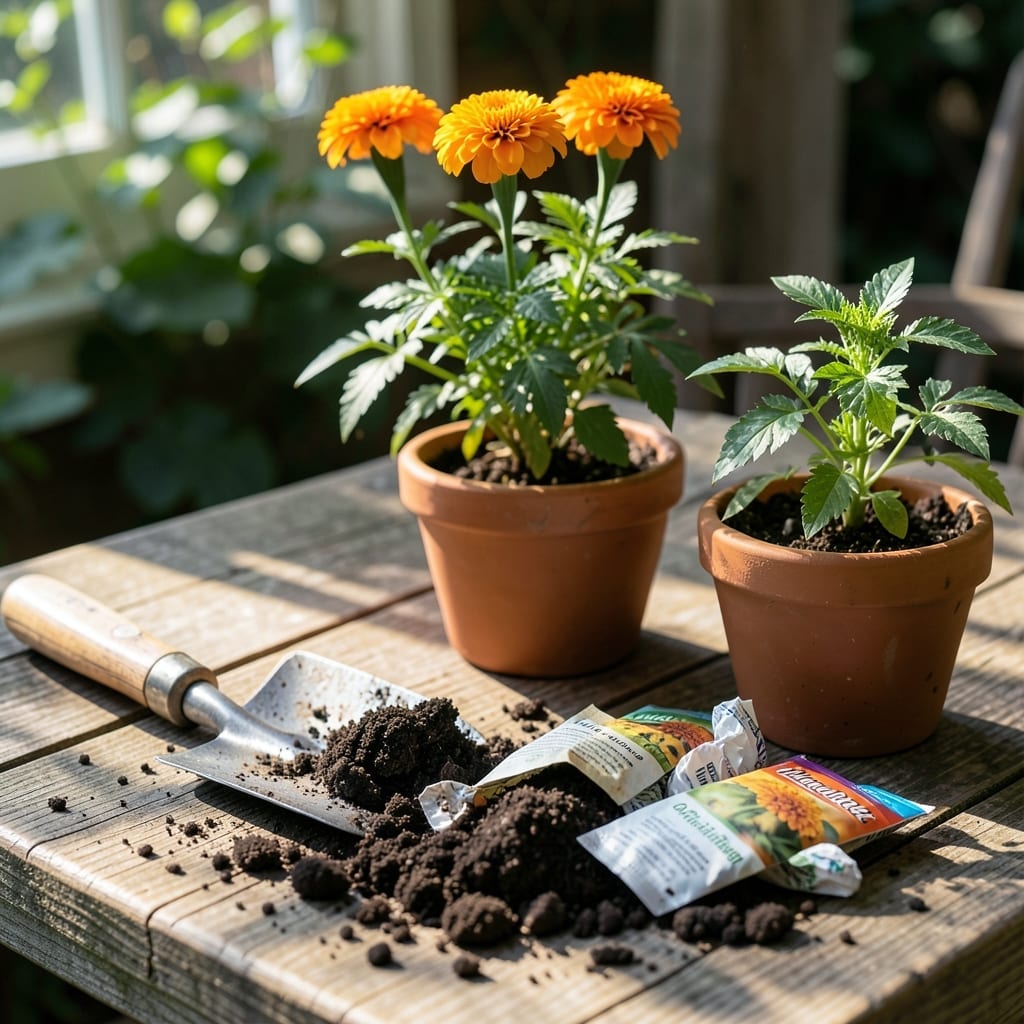
Timing is everything when planting Marigold seeds in Michigan. Start too early and frost may strike, wait too long and you’ll miss those vibrant summer blooms we all love.
As a fellow Michigan gardener, I know how frustrating it can be to get the timing just right. Our 5b-6a climate demands precision, especially for delicate flowers like the 🌼 Marigold.
After years of trial and error, I’ve pinpointed the optimal window that consistently delivers thriving plants. It’s all about working with our unpredictable springs, not against them.
Let me share the exact approach that transformed my garden. You’ll discover how to sync your planting with Michigan’s unique rhythm for blooms that last from June through October.
In Michigan, timing your marigold seeds right means working around last frost dates. The state spans USDA Zones 4-6, with the Upper Peninsula often frosting later than the Lower Peninsula. This affects when you can safely plant.
Marigolds thrive in warm soil—at least 70°F—so indoor starts are ideal. Begin seeds 6-8 weeks before your region’s last frost to give them a head start before transplanting outdoors.
| Region | Last Frost Date | Indoor Start | Outdoor Planting |
|---|---|---|---|
| Upper Peninsula | May 30 – June 10 | April 1-15 | Early June |
| Northern Lower | May 15-30 | March 20 – April 1 | Late May |
| Southern Lower | May 1-15 | March 10-20 | Mid-May |
For direct outdoor sowing, wait until after the last frost when soil temps hit that 70°F sweet spot. Marigolds are frost-sensitive, so rushing this risks losing young plants to a late cold snap.
If you’re in Zone 5b (like Detroit or Grand Rapids), your last frost is typically around May 15. Start seeds indoors in late March for transplant-ready seedlings by planting time.
In colder Zone 4 areas (like Marquette), hold off on indoor starts until early April. Outdoor planting should wait until early June to avoid frost damage.
Marigolds germinate in 5-7 days at 70-75°F, so keep seed trays in a warm, bright spot. A heat mat can help maintain consistent temps if your home runs cool.
Once seedlings have 2-3 true leaves, they’re ready for hardening off. This process acclimates them to outdoor conditions over 7-10 days, reducing transplant shock.
Watch the 10-day forecast before transplanting. If nighttime temps dip below 50°F, delay moving them outside or use row covers for protection.
Michigan’s humid summers are perfect for marigolds, but ensure your soil drains well to prevent root rot. These vibrant blooms will reward your patience with color from June through October. 🌼
Starting marigold seeds indoors in Michigan gives your plants a head start. I recommend using seed trays or recycled containers with drainage holes to prevent waterlogging. Fill them with a light, well-draining seed mix for best results.
Sow seeds ¼ inch deep and 1 inch apart. Marigolds need warmth to germinate, so place trays in a 70-75°F spot or use a heat mat for consistency. Cover lightly with soil and mist with water.
Once seedlings sprout, move them to bright light. A south-facing window works, but grow lights are ideal for Michigan’s cloudy springs. Keep lights 2-4 inches above seedlings and raise them as plants grow.
When seedlings develop 2-3 true leaves, it’s time to harden them off. Start by placing them outside for 1-2 hours in a shaded, protected spot, gradually increasing time and sun exposure over 7-10 days.
Watch for Michigan’s unpredictable weather. If a late frost is forecasted, bring seedlings indoors or cover them with frost cloth. Transplant only after all danger of frost has passed and soil has warmed.
Marigolds are low-maintenance but thrive with consistent moisture during establishment. Water when the top inch of soil feels dry, and avoid wetting the leaves to prevent fungal issues. 🌼