
Beautiful Plants For Your Interior
Beautiful Plants For Your Interior
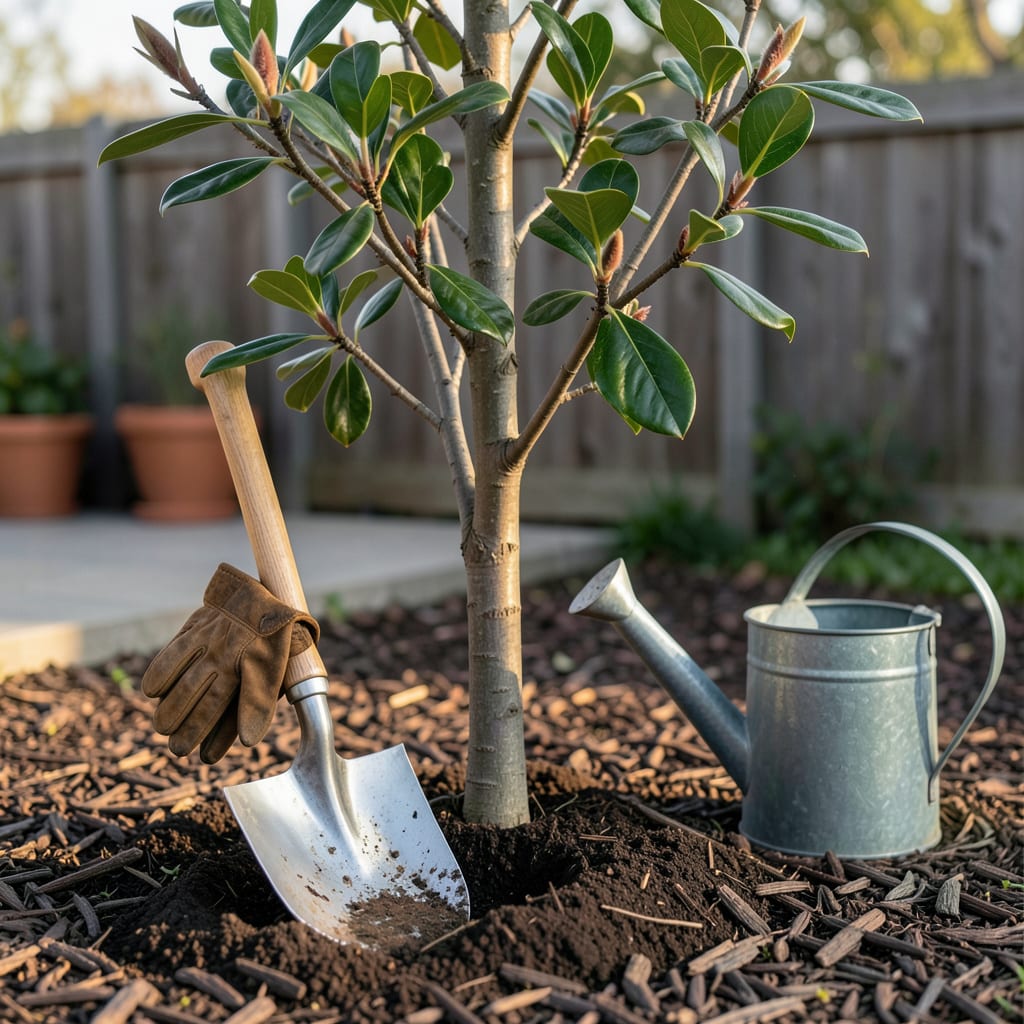
Timing can make or break your magnolia’s future—plant too late in Texas, and you’re fighting heat stress; plant too early, and frost might claim your sapling. I’ve seen gardeners lose years of growth by missing this critical window.
The good news? There’s a 6-month sweet spot to get it right. Whether you’re in Houston’s humidity or Dallas’s clay soil, I’ll show you exactly when to plant for lush blooms and strong roots. Let’s cut through the guesswork.
If you’ve ever admired the glossy leaves and fragrant blooms of magnolia trees, you know they’re a showstopper in Texas landscapes. But timing is everything—plant too late, and the Texas heat will stress your sapling; plant too early, and a surprise freeze could ruin your efforts.
Texas spans USDA zones 6a–10a, meaning planting windows vary dramatically. In North Texas, you’ll want to avoid late freezes, while Gulf Coast gardeners can plant almost year-round. Let’s break down the ideal months for your region.
For most of Texas, fall planting (October–December) is ideal. The cooler temps reduce transplant shock, and roots establish before summer. In South Texas, you can push planting into January–February, but avoid the hurricane-prone months of late summer.
If you miss the fall window, early spring (February–March) works, but act before new growth starts. In West Texas, spring planting is often better—wait until after the last frost (usually mid-February) to avoid cold snaps.
Pro tip: Check your local frost dates. For example, Houston’s last frost is around February 15, while Dallas might see frost until March 15. Plant at least 4–6 weeks before your area’s first freeze to give roots time to settle.
Soil prep matters too! Texas soils range from clay-heavy in Central Texas to sandy along the coast. Amend with compost or pine bark to improve drainage—magnolias hate waterlogged roots. A soil pH of 5.0–6.5 is perfect.
For container-grown magnolias, you’ve got more flexibility. Just avoid summer planting—even potted trees struggle with 100°F+ temps. If you must plant in summer, choose a dwarf variety like ‘Little Gem’ and provide afternoon shade.
Wondering about bare-root magnolias? Stick to late winter (January–February) in Texas. They need time to break dormancy before summer hits. Soak roots for 12–24 hours before planting to reduce shock.
Finally, water deeply after planting—1–2 inches per week for the first year. Mulch with 3–4 inches of pine straw to retain moisture and regulate soil temp. In Texas, consistent watering beats frequent light sprinkles every time.
Still unsure? When in doubt, fall planting is your safest bet. It gives your magnolia a full cool season to establish roots before facing Texas summers. Trust me, your future self (and your blooming magnolia) will thank you! 🌳
Even with perfect timing, a few common mistakes can doom your magnolia tree before it gets a chance to thrive. I’ve seen gardeners in Dallas and Houston make these errors year after year—don’t let it happen to you.
The biggest culprit? Planting in summer. Texas heat above 90°F stresses young magnolias, causing transplant shock or even death. Stick to October–March for best results.
Planting in peak summer (June–August)
Why it fails: New roots can’t establish in 100°F+ temps. Soil dries too fast, and leaves scorch. Fix: Wait for cooler months or provide dappled shade if planting is unavoidable.
Ignoring Texas soil pH
Why it fails: Magnolias need acidic soil (pH 5.0–6.5). Texas clay and limestone often push pH to 7.5+, locking out nutrients. Fix: Test soil and amend with sulfur or pine bark before planting.
Choosing the wrong variety
Why it fails: Not all magnolias handle Texas droughts or humidity. ‘Southern Magnolia’ thrives in East Texas but struggles in West Texas aridity. Fix: Pick ‘Little Gem’ for small spaces or ‘Jane’ for drought tolerance.
Another silent killer? Overwatering in clay soil. Magnolias need well-draining roots, but Texas clay holds water like a sponge. If your soil stays soggy 24 hours after rain, plant on a slight mound or amend with compost.
Skipping mulch is also a mistake. Without 3–4 inches of pine straw, soil temps swing wildly—roots bake in summer and freeze in winter. Mulch also keeps weeds from competing with your young tree for water and nutrients.
Finally, don’t plant too deep! The root flare (where roots meet trunk) should sit 1–2 inches above soil level. Bury it, and you’ll smother the tree. I’ve rescued countless magnolias by simply uncovering their flares after planting.
Remember: Magnolias are long-term investments. Avoid these mistakes, and you’ll enjoy fragrant blooms for decades. Your future self—and your neighbors—will thank you when that glossy evergreen becomes the star of your landscape! 🌿
Not all magnolias grow at the same pace, and in Texas, where summers are long and hot, choosing the right variety can mean the difference between a thriving tree and one that struggles. If you want quick shade or rapid blooms, fast-growing varieties like ‘Little Gem’ are your best bet.
On the other hand, if you prefer a low-maintenance tree that grows steadily over time, slower varieties like ‘Southern Magnolia’ might be more your speed. Let’s compare the top options so you can pick the perfect magnolia for your Texas landscape.
If you’re in East or Central Texas, where humidity and heat dominate, ‘Little Gem’ is a fantastic choice. It grows quickly, stays compact, and blooms early—perfect for small yards or even container gardening on patios.
For West Texas, where drought is a constant challenge, ‘Southern Magnolia’ or ‘Jane Magnolia’ are better suited. They handle dry spells better once established, though you’ll need to water deeply during the first year to help roots take hold.
If you love the classic magnolia look but don’t have space for a giant tree, ‘Teddy Bear’ is a great dwarf option. It’s slow-growing, which means less pruning, but it also takes longer to reach its full, lush appearance. Patience pays off with this one!
No matter which variety you choose, remember that proper planting and consistent care in the first year are key. Even fast-growing magnolias need well-draining soil, regular watering, and mulch to protect their roots from Texas extremes. 🌳
Fall (October–December) is ideal for most regions. Cooler temps reduce transplant shock, and roots establish before summer heat. Spring works too, but plant by early March to avoid stressing new growth.
Even with daily watering, summer planting risks heat stress and poor root development. If unavoidable, choose a dwarf variety like ‘Little Gem’ and provide afternoon shade. Morning watering is critical.
Test for pH 5.0–6.5 (acidic). Texas clay often needs amending—mix in compost or pine bark for drainage. If water pools after rain, plant on a slight mound to prevent root rot.
‘Little Gem’ grows 2–3 feet per year and blooms early, perfect for small yards. For larger spaces, ‘Southern Magnolia’ is slower but more drought-tolerant once established.
Water deeply 1–2 times weekly for the first year, ensuring 1–2 inches total per week. Use mulch (3–4 inches) to retain moisture. In extreme heat, increase to every 3–4 days.
