
Beautiful Plants For Your Interior
Beautiful Plants For Your Interior
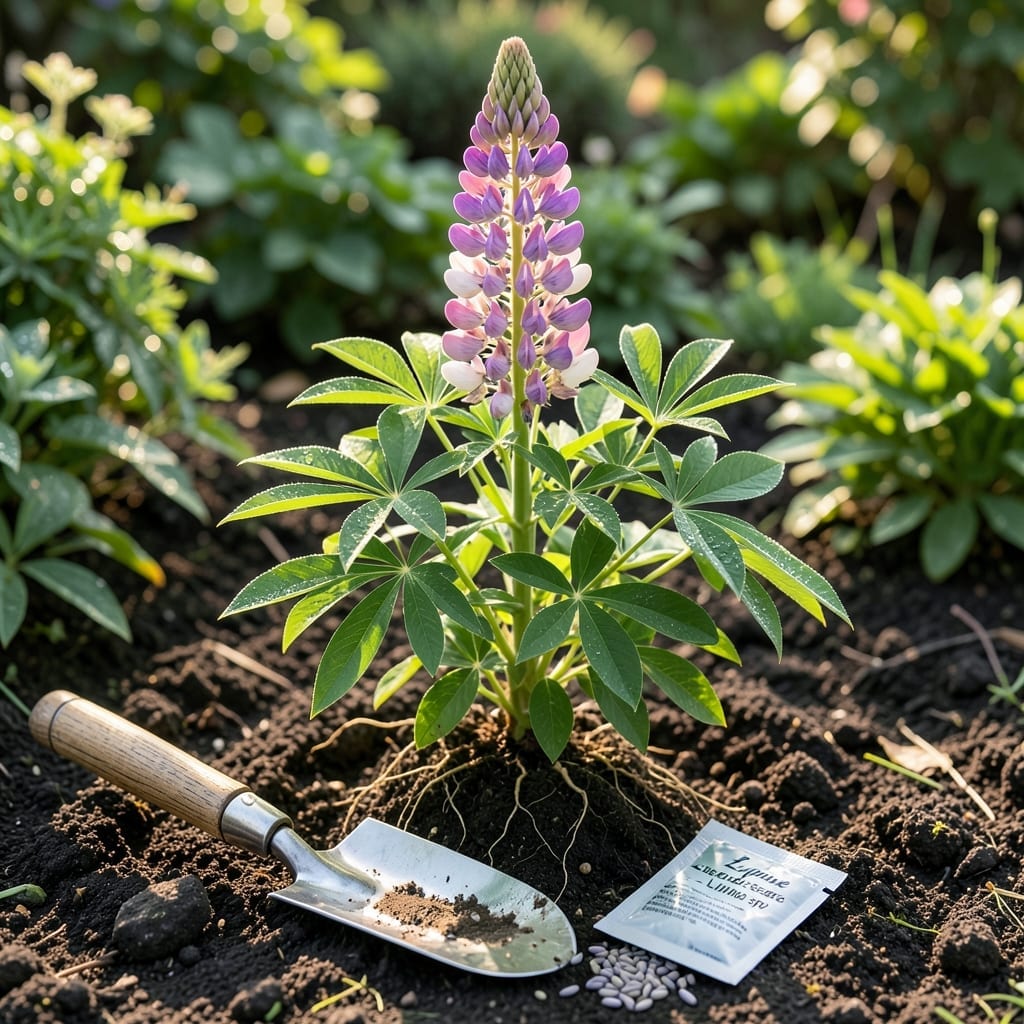
Timing is everything when it comes to growing beautiful 🌸 Lupine in Maine’s unique climate. Plant too early, and frost might claim your seeds. Wait too long, and you’ll miss the optimal growing window.
Maine’s 5a zone brings specific challenges and opportunities for gardeners. The difference between a thriving Lupine patch and a disappointing season often comes down to just a few weeks.
I’ve learned through experience that understanding your local conditions is the key to success. The right timing can transform your garden into a vibrant display of color.
Let me walk you through the best windows to plant Lupine seeds in Maine, and share the regional insights that will set you up for blooming success.
Maine’s USDA zones 3-6 create unique challenges for lupine seeds. The optimal planting windows depend on frost dates and soil temperature, which must reach 60-70°F for germination.
Coastal areas warm faster than inland regions, so adjust timing accordingly. I’ve found early spring and late summer work best for most Maine gardeners. ☀️
| Planting Window | Conditions | Best For |
|---|---|---|
| April-May | After last frost (May 15) | Spring planting |
| August-September | 6-8 weeks before first frost | Fall planting |
| March (indoors) | 6-8 weeks before last frost | Early start |
For spring planting, I recommend waiting until soil is workable and nighttime temps stay above 40°F. This usually means mid-April for southern Maine and early May for northern areas.
Fall planting offers advantages too. Seeds sown in late August to early September will stratify naturally over winter, often germinating earlier the following spring.
Remember that lupines prefer well-draining soil. In Maine’s clay-heavy regions, I always amend beds with compost or sand to improve drainage before planting.
The coastal areas of Maine can start 2-3 weeks earlier than inland locations due to milder temperatures. I’ve seen gardeners in Portland plant as early as late March with success.
For northern Maine (Zone 3-4), stick to late May for spring planting. The shorter growing season means every day counts, so I recommend starting seeds indoors in March for a head start.
Soil temperature is critical. Use a soil thermometer to check that temps are consistently above 60°F at planting depth. I’ve found this simple step dramatically improves germination rates.
Maine’s humid summers can lead to rot issues. To prevent this, I space seeds 12-18 inches apart and ensure good air circulation around plants. 🌱
Whether you choose spring or fall planting, consistency in moisture levels is key. Keep soil evenly moist but not waterlogged during the germination period.
Choosing between spring and fall planting for lupine in Maine depends on your goals. Spring planting from April to May gives seeds a full growing season to establish before winter.
Fall planting in August-September allows for natural cold stratification, which can boost germination rates the following year. ☀️
In my experience, spring planting works best for southern Maine where the growing season is longer. The warmer soil helps seeds germinate faster, and you can enjoy blooms the same year.
For northern Maine, fall planting can be advantageous. The cold winter naturally stratifies seeds, often leading to stronger plants the following spring.
I always recommend scarifying lupine seeds before planting, regardless of season. This simple step of nicking the seed coat can significantly improve germination rates in Maine’s challenging climate.
Remember that Maine’s late frosts can damage young lupine plants. If planting in early spring, be prepared to cover seedlings if a cold snap is forecasted. 🌱