
Beautiful Plants For Your Interior
Beautiful Plants For Your Interior
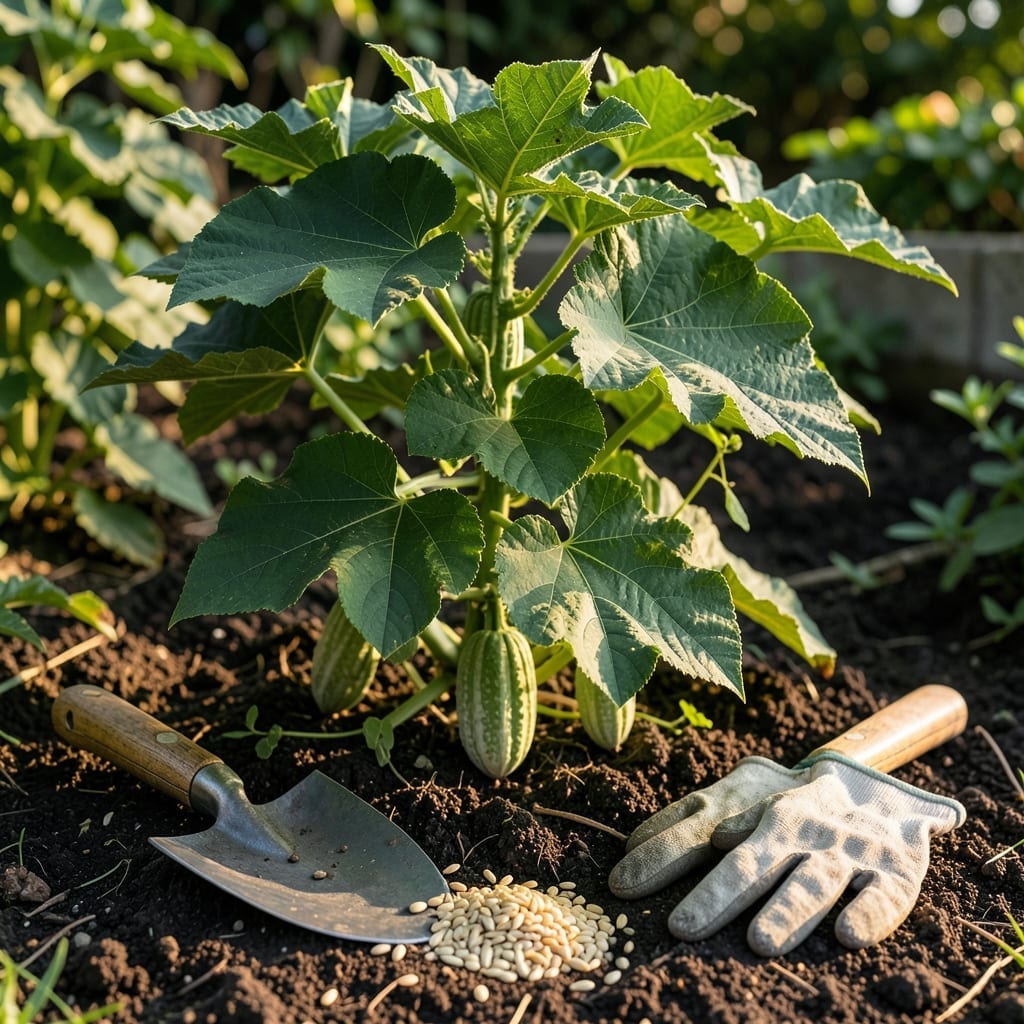
Timing is everything when growing Loofah 🥒 in Florida’s warm climate. Plant too early, and unexpected chills can stunt your vines. Plant too late, and the summer heat might overwhelm them.
As a gardener in zones 8b-10a, you have a unique advantage with a long growing season. But knowing the exact window to sow your seeds makes all the difference between a lackluster crop and a bountiful harvest.
I’ve tested different planting times and found that spring offers the perfect balance. The soil is warm enough, and the risk of frost is long gone, giving your loofah the best start.
Discover the precise months to plant and why they work so well for Florida’s conditions. Your future self—and your garden—will thank you.
Florida’s diverse climate means loofah planting times vary by region. In North Florida, wait until mid-April to avoid late frosts, as soil temps need to hit 70°F for germination. The growing season here is shorter, so timing is critical.
For Central Florida, late March to early April is ideal. The frost-free date arrives earlier, and warmer soils give seeds a head start. Coastal areas may plant 2 weeks sooner due to milder conditions.
| Region | Best Months | Soil Temp | Notes |
|---|---|---|---|
| North Florida | Mid-April to May | ≥70°F | Avoid late frosts |
| Central Florida | Late March to April | ≥70°F | Coastal: 2 weeks earlier |
| South Florida | February to March | ≥75°F | Year-round possible |
South Florida gardeners can plant as early as February. With no frost risk and warmer winters, loofah seeds thrive when sown in 75°F+ soils. Some even grow year-round with protection from heavy rains.
Inland areas in all regions may need to adjust for microclimates. Sandy soils warm faster but dry out quickly, so mulching helps retain moisture. I always check soil temperature with a thermometer at 4-inch depth before planting.
For coastal zones, the ocean’s influence moderates temperatures. Here, early planting is safe, but watch for salt spray if near the beach. I recommend windbreaks for young vines in exposed locations.
Loofah vines need 120-180 days to mature, so South Florida can enjoy multiple harvests. In North Florida, stick to one crop per year, planted after the last frost.
If you’re in Zone 9, like Orlando, March planting works well. For Zone 10, like Miami, February is perfect. Always harden off seedlings if starting indoors.
Remember, loofah hates wet feet. In Florida’s rainy season, raised beds or well-draining soil prevent root rot. I use compost to improve sandy soils and ensure proper drainage.
For the best results, trellis your vines early. Loofah plants grow 10-12 feet long and need strong support. I use cattle panels bent into arches for a sturdy, cost-effective solution.
Finally, monitor weather forecasts. A cold snap can set back young plants, so row covers are handy for North Florida gardeners. In South Florida, heat tolerance is key—choose disease-resistant varieties like ‘Smooth Loofah’ for best success.
Before planting loofah seeds in Florida, I always check for soil readiness. The minimum soil temperature should be 70°F for germination, which is critical for strong, healthy vines.
Use a soil thermometer to test at 4-inch depth in the morning. If it reads below 70°F, wait a few days and retest. Florida’s sandy soils warm up quickly, but they also drain fast, so moisture levels matter too.
Florida’s sandy soils often lack nutrients, so I amend with compost or aged manure before planting. This boosts fertility and helps retain moisture, which loofah vines need for their rapid growth.
Another test I use is the “squeeze test”. Grab a handful of soil and squeeze—if it holds shape briefly then crumbles, it’s perfect. If it stays in a tight ball, it’s too wet. If it falls apart immediately, it’s too dry.
For raised beds, I pre-warm the soil by covering with black plastic for a week before planting. This trick works especially well in North Florida where spring temps can be unpredictable.
Finally, watch the 10-day forecast. If nighttime temps will stay above 50°F, it’s safe to plant. I’ve found this simple check prevents many early-season losses in my own garden. ☀️