
Beautiful Plants For Your Interior
Beautiful Plants For Your Interior
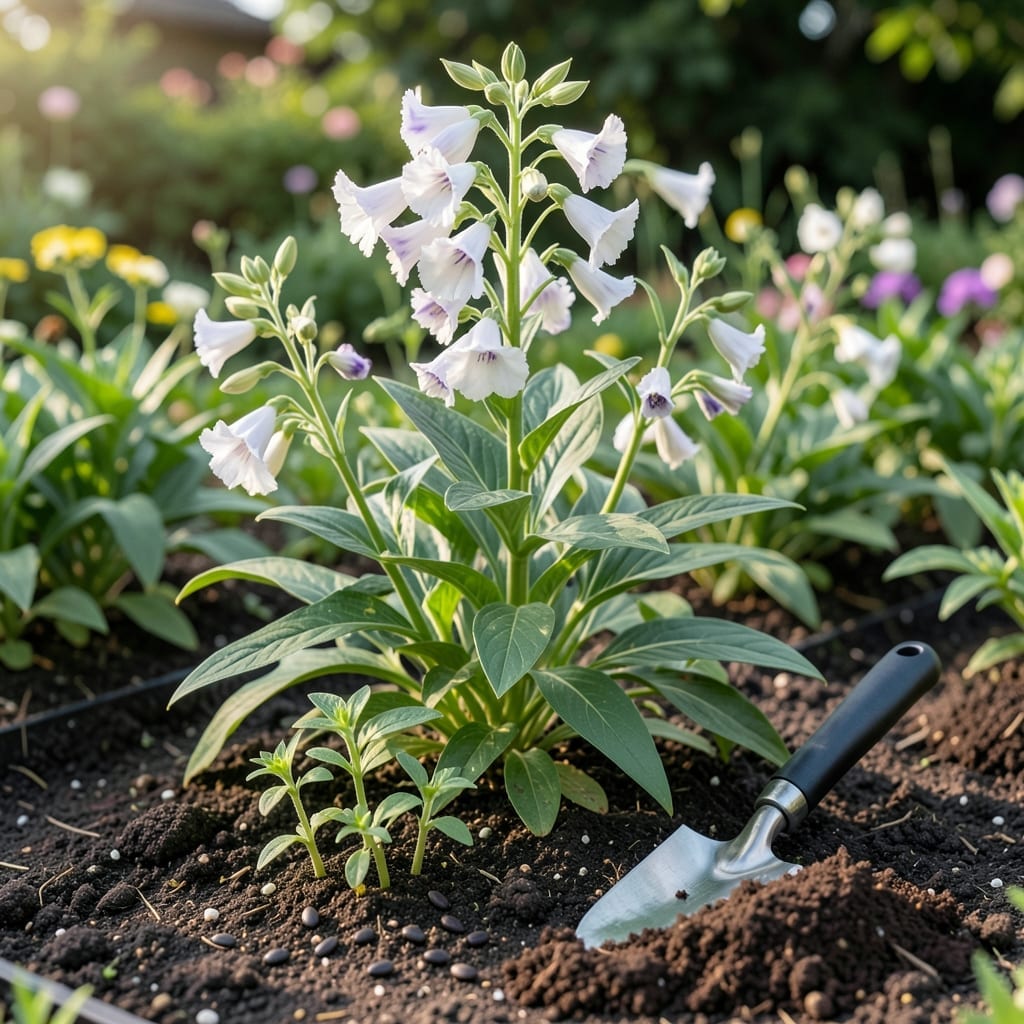
Lisianthus, with its delicate, rose-like blooms, can elevate any garden—but timing is everything. Plant too early or too late, and you risk stunted growth or missed flowering windows.
I’ve learned that getting the perfect start with 🌸 Lisianthus means understanding your climate and soil. This isn’t just about picking a date on the calendar—it’s about working with nature’s rhythm.
Whether you’re in zone 6 or adjusting for your local conditions, the right timing makes all the difference. Let me walk you through what worked for me and how you can achieve the same success.
Discover the simple secrets to vibrant Lisianthus blooms that will make your garden the envy of the neighborhood. It’s easier than you think.
Timing your lisianthus planting perfectly can mean the difference between lush blooms and struggling plants. This delicate flower thrives when the soil is warm and frost is a distant memory.
In most regions, spring planting after the last frost is ideal, but the exact window varies by USDA zone. Cooler zones need to wait longer, while warmer areas can start earlier.
| USDA Zone | Best Planting Time | Notes |
|---|---|---|
| Zones 3-4 | Late May | Avoid frost; soil must be 60°F+ |
| Zones 5-6 | Mid-April to May | After last frost; full sun preferred |
| Zones 7-8 | March to April | Early start; well-draining soil critical |
| Zones 9-11 | February to March | Cool season crop; avoid summer heat |
For zones 3-4, where frost lingers, I recommend waiting until late May when the soil has warmed to at least 60°F. Planting too early can stunt growth or kill young seedlings.
In zones 5-6, mid-April to May is your sweet spot. This timing allows lisianthus to establish roots before the summer heat kicks in, ensuring strong, healthy plants.
Gardeners in zones 7-8 can start as early as March. The mild winters and warm springs in these areas give lisianthus a head start, but ensure your soil is well-draining to prevent root rot.
If you’re in zones 9-11, February to March planting works best. These regions treat lisianthus as a cool-season crop, so avoid the intense summer heat which can stress the plants.
Regardless of your zone, always harden off seedlings before transplanting. This process acclimates young plants to outdoor conditions, reducing transplant shock and improving survival rates.
I’ve found that succession planting every 2-3 weeks can extend your blooming season. This technique ensures a continuous display of vibrant lisianthus flowers from early summer to fall.
Finally, remember that soil temperature is more important than air temperature. Use a soil thermometer to check that it’s consistently above 60°F before planting. This small step can save you from a season of disappointment. ☀️
If you’re deciding between starting lisianthus from seeds or using transplants, timing is the biggest factor. Seeds need a 12-16 week indoor start before the last frost, while transplants can go straight into the garden after frost danger passes.
Seed-starting gives you more variety options and can be cost-effective, but it requires patience and careful attention to light and moisture. Transplants, on the other hand, offer a head start with established roots.
| Method | Timing | Difficulty | Bloom Outcome |
|---|---|---|---|
| Seeds | 12-16 weeks before last frost | Moderate | Longer to bloom |
| Transplants | After frost danger | Easy | Faster blooms |
I find that transplants are ideal for beginners or those with short growing seasons. They eliminate the guesswork of germination and give you stronger plants right from the start.
For seed-starting, I recommend using a seedling heat mat to maintain consistent warmth, which can speed up germination. Keep the soil moist but not soggy to prevent damping off.
Transplants also allow you to stagger planting times for continuous blooms. If you start some from seed indoors and add transplants later, you can enjoy lisianthus flowers all season long.
Whichever method you choose, ensure your soil is well-draining and enriched with compost. Lisianthus thrives in full sun and will reward you with abundant, long-lasting blooms if timed correctly. ☀️
Remember, patience is key with lisianthus. Whether from seed or transplant, these beautiful flowers are worth the wait. 🌸