
Beautiful Plants For Your Interior
Beautiful Plants For Your Interior
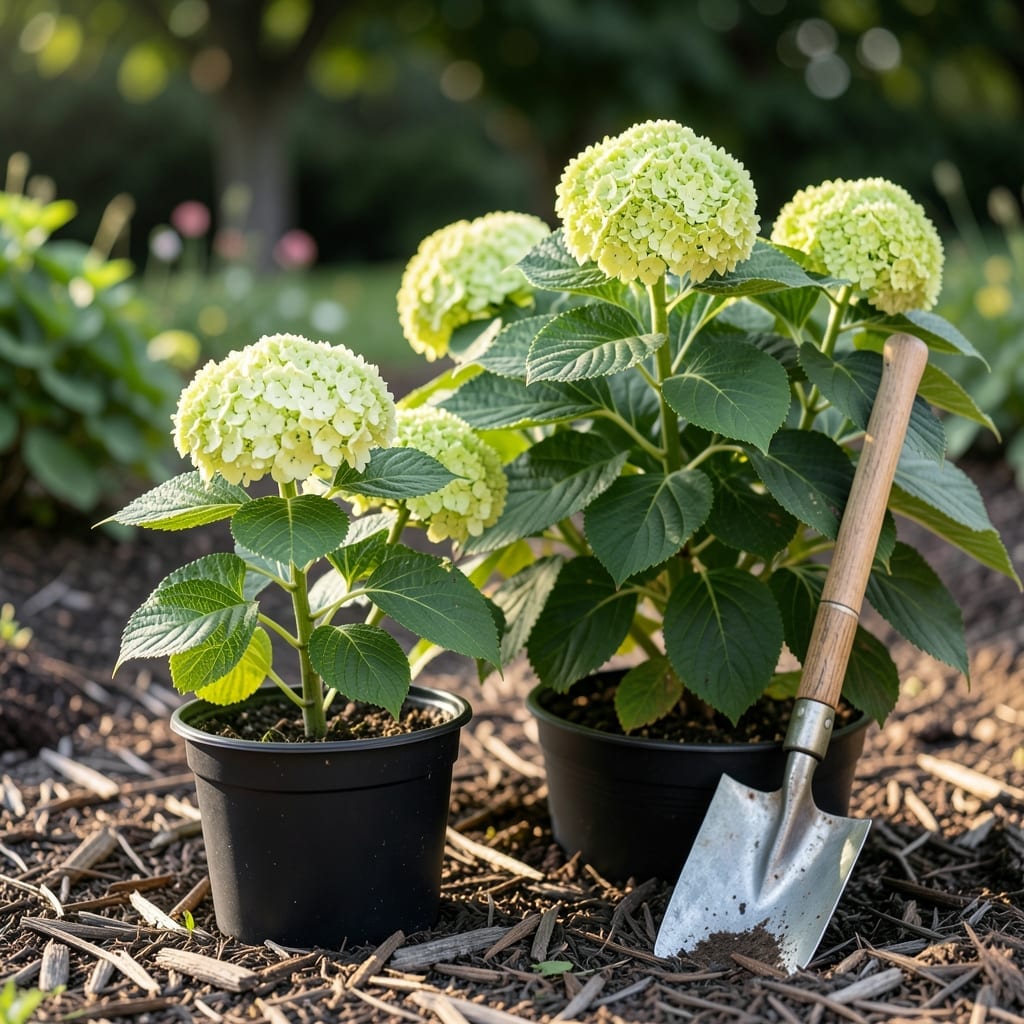
Timing is everything when it comes to planting the Limelight Hydrangea 🌸. Get it right, and you’ll be rewarded with lush, cone-shaped blooms that light up your garden from summer to fall.
Plant at the wrong time, and you risk stunted growth or a lackluster display. Whether you’re in zone 3-9, knowing the best window makes all the difference.
Discover how spring and fall planting each offer unique advantages, and learn which season suits your climate best for vibrant, thriving shrubs.
If you want your Limelight Hydrangea to thrive, timing is key. The best windows are early spring or early fall, when temperatures are mild and stress on the plant is minimal. This gives roots time to establish before extreme heat or cold sets in.
For most gardeners in USDA zones 3-9, planting in March to May or September to November works best. Avoid the peak of summer or the dead of winter, as these periods can shock the shrub and hinder growth.
| Season | Ideal Months | Key Benefit |
|---|---|---|
| Spring | March – May | Allows roots to establish before summer heat. |
| Fall | September – November | Cooler temps reduce transplant shock. |
| Avoid | June – August | Heat stress can damage young plants. |
In spring planting, aim for a time after the last frost date in your area. This ensures the soil is workable and warm enough for root development. The shrub will have the entire growing season to settle in and produce those stunning lime-green blooms by summer.
For fall planting, get the hydrangea in the ground at least 4-6 weeks before the first expected frost. This gives it enough time to develop a strong root system before winter dormancy. Fall planting often results in a head start the following spring.
If you live in a region with mild winters, like the southern U.S., fall planting can be especially advantageous. The cooler temperatures and autumn rains help reduce stress on the plant, allowing it to focus on root growth rather than foliage production.
Conversely, in colder climates (zones 3-5), spring planting is often the safer bet. The shrub will have the summer to establish itself, which is critical for surviving harsh winters. Always mulch heavily around the base in late fall to protect the roots from freezing temperatures.
No matter the season, soil preparation is non-negotiable. Limelight hydrangeas prefer well-draining, loamy soil rich in organic matter. Amend heavy clay or sandy soil with compost to improve texture and fertility before planting.
After planting, water deeply to help the soil settle around the roots, and maintain consistent moisture for the first few weeks. A 2-3 inch layer of mulch will help retain moisture and regulate soil temperature as your hydrangea gets established.
By following these timing and care tips, you’ll set your Limelight Hydrangea up for success, ensuring vibrant blooms and healthy growth year after year. 🌸
Planting Limelight Hydrangea is straightforward if you follow the right steps. I always start by choosing a location with partial shade and well-draining soil to ensure the shrub thrives. Morning sun with afternoon shade is ideal for most climates.
Before planting, I prepare the soil by mixing in compost or aged manure to improve fertility and drainage. This is especially important if your soil is heavy clay or sandy. A little extra effort here pays off with healthier plants.
For spring planting, I make sure the soil temperature is at least 50°F to encourage root growth. In fall, I aim to plant at least 4-6 weeks before the first frost to allow the roots to establish before winter.
Spacing is another key factor. I plant Limelight hydrangeas about 4-6 feet apart to give them room to grow without crowding. These shrubs can reach 6-8 feet tall and wide, so proper spacing ensures good air circulation and reduces disease risk.
After planting, I monitor the soil moisture closely. Limelight hydrangeas prefer consistently moist soil, so I water deeply once or twice a week, depending on rainfall. A 2-3 inch layer of mulch helps retain moisture and keeps weeds at bay.
Finally, I avoid fertilizing immediately after planting. Instead, I wait until the shrub has settled in, usually after 2-3 weeks. Then, I use a balanced fertilizer to promote healthy growth and vibrant blooms. With these steps, your Limelight Hydrangea will thrive in any season. 🌿