
Beautiful Plants For Your Interior
Beautiful Plants For Your Interior
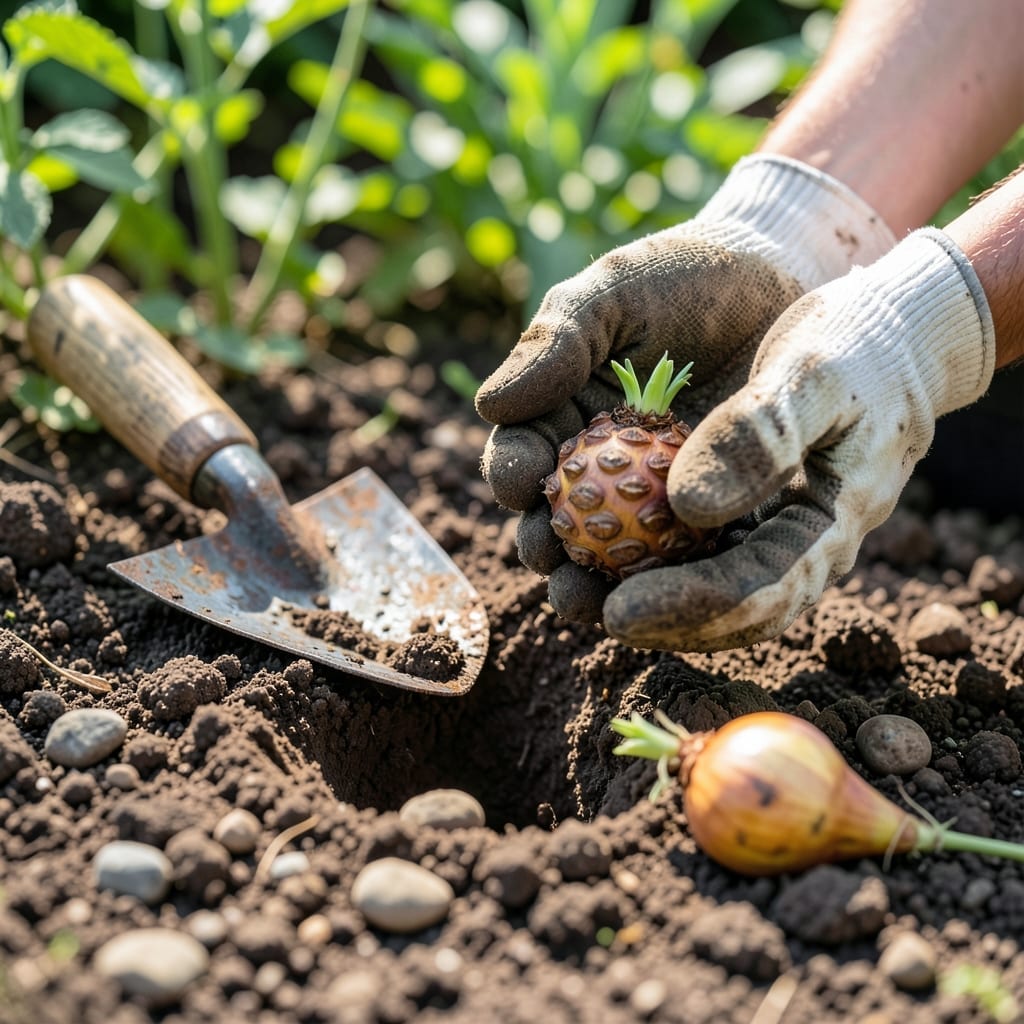
Timing is everything when it comes to planting lily bulbs. Plant too early or too late, and you risk weak blooms or no flowers at all.
The 🌷 Lily thrives when planted during its optimal window. For most gardeners in zone 6, this means getting bulbs in the ground between March and April.
I’ve learned that soil temperature and seasonal conditions play a huge role in success. Get it right, and you’ll be rewarded with stunning blooms from June to August.
Discover the exact timing and conditions that will give your lilies the best start for vibrant, healthy growth year after year.
I’ve found that spring and fall are the two best seasons for planting lily bulbs. The key is timing it right so the bulbs establish roots before extreme weather hits. In warmer climates, fall planting often works best, while colder regions benefit from spring planting.
For most gardeners in USDA zones 4-6, planting in early spring (March-April) or early fall (September-October) gives bulbs time to settle. Soil temperature should be above 50°F to encourage root growth without shocking the bulb.
| Season | Best For | Soil Temp | USDA Zones |
|---|---|---|---|
| Spring | Colder climates | 50-60°F | 4-6 |
| Fall | Warmer climates | 55-65°F | 7-9 |
| Early Winter | Mild regions | 50°F+ | 8-10 |
In spring planting, I always wait until after the last frost date for my area. This prevents the bulbs from being damaged by late cold snaps. The soil should be workable but not waterlogged from spring rains.
For fall planting, timing is crucial. Plant at least 4-6 weeks before the first hard frost. This gives the bulbs enough time to develop a strong root system before winter dormancy.
In milder climates (zones 7-9), I’ve had success planting as late as November. The bulbs get a head start on root growth during the cooler months, leading to earlier blooms the following year.
I always check the soil temperature with a simple thermometer. If it’s consistently above 50°F at a depth of 6 inches, it’s safe to plant. This is more reliable than just checking the air temperature.
Remember that Asiatic lilies and Oriental lilies have slightly different preferences. Asiatics are more cold-hardy and can be planted earlier in spring, while Orientals prefer warmer soil and do better with fall planting in cooler zones.
For the best results, I recommend marking your planting dates on a calendar. This helps track success year to year and adjust your timing based on your specific microclimate conditions.
No matter the season, always plant bulbs 4-6 inches deep and 6-12 inches apart. This gives them enough space to grow while staying stable in the soil.
With the right timing, you’ll be rewarded with strong stems and vibrant blooms that make all the planning worthwhile 🌷
I always start by preparing the soil before planting lily bulbs. The soil should be well-draining and enriched with organic matter like compost. This ensures the bulbs have the nutrients they need to establish strong roots.
For spring planting, I dig holes 4-6 inches deep and space them 6-12 inches apart. This depth protects the bulbs from late frosts while allowing for proper root development. I always place the bulb with the pointed end up and cover it gently with soil.
After planting, I water thoroughly to help settle the soil and remove air pockets. The key is to keep the soil consistently moist but not soggy for the first few weeks. This helps the bulbs establish their root systems quickly.
For fall planting, I add a layer of mulch after the first frost to protect the bulbs from freezing temperatures. This extra insulation can make a big difference in colder climates, ensuring the bulbs survive the winter.
I also mark the planting locations with small stakes or labels. This helps me remember where I’ve planted the bulbs and prevents accidental digging in those spots later. It’s a simple step that saves a lot of headaches.
With proper care and timing, you’ll see green shoots emerging in early spring, followed by stunning blooms in summer. The effort is always worth it when you see those first flowers open 🌷