
Beautiful Plants For Your Interior
Beautiful Plants For Your Interior
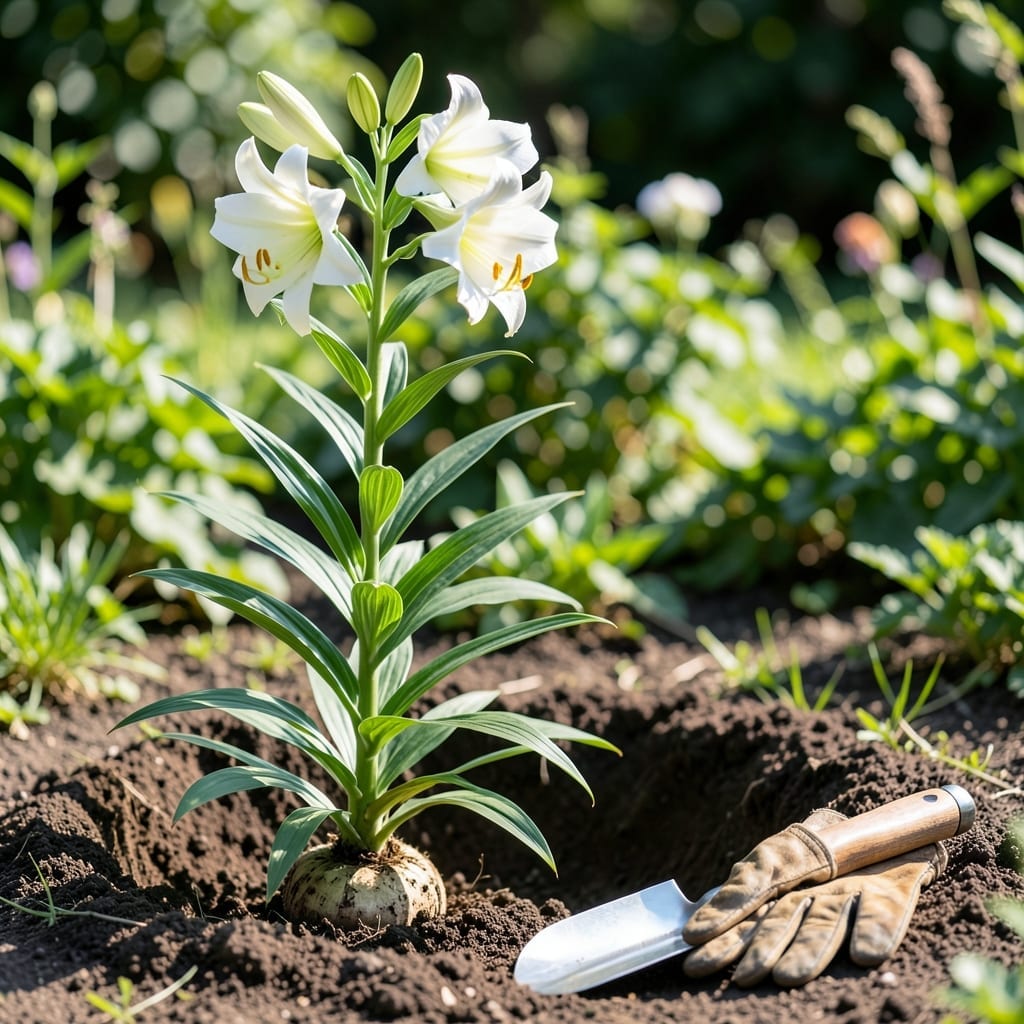
Timing is everything when planting Lily bulbs in Colorado, where unpredictable weather can make or break your garden. The Centennial State’s unique climate demands precision.
I’ve learned that getting this right means the difference between vibrant blooms and disappointment. Whether you’re a seasoned gardener or just starting out, knowing when to plant is the key.
The fall window from September to October offers ideal conditions for 🌷 Lily bulbs to establish roots before winter. This timing works perfectly in zones 5b-7a.
Let me walk you through the optimal schedule and preparation steps to ensure your garden thrives. You’ll discover how simple adjustments can lead to spectacular results.
Colorado’s unique climate demands precise timing for lily bulb planting. The state spans USDA Zones 3-7, with most gardeners in 5b-7a. This variation affects your schedule significantly.
I’ve found that fall planting from September to October works best for most regions. This gives bulbs time to establish roots before winter’s freeze.
| Season | Optimal Window | Key Requirement |
|---|---|---|
| Fall | September-October | 60°F soil temp |
| Spring | After last frost | Well-draining soil |
| Zone 3-4 | Early September | 4-6 weeks pre-frost |
For spring planting, wait until after the last frost, typically May 15 in most areas. The soil must warm to at least 60°F for proper root development.
In higher elevations (Zones 3-4), aim for early September planting. Lower zones (6-7) can extend into late October. Always check your local frost dates for precision.
The 4-6 week rule is crucial: bulbs need this time to establish roots before the ground freezes. This ensures they’ll survive winter and bloom beautifully next season.
Soil temperature is more important than air temperature. Use a soil thermometer to monitor conditions. If the soil is too cold, bulbs may rot or fail to root properly.
Colorado’s dry climate means you should water deeply after planting. This helps settle the soil and encourages root growth. Mulching with 2-3 inches of organic material protects against temperature swings.
Remember that lily bulbs planted in fall will bloom the following summer. Spring-planted bulbs may take an extra year to reach full size and produce abundant flowers.
For the best results, I recommend marking your calendar for both planting windows. This way, you won’t miss the optimal time for your specific Colorado location and climate zone. 🌷
Planting lily bulbs in Colorado requires careful site selection and soil prep. I always choose spots with full sun to partial shade, as lilies thrive with 6+ hours of sunlight daily.
The soil must be well-draining and enriched with compost. Colorado’s clay-heavy soil often needs amending with organic matter to improve drainage and fertility.
When planting, dig holes 3 times deeper than the bulb’s height. For example, a 2-inch bulb needs a 6-inch hole. This depth protects against Colorado’s temperature swings.
Spacing is equally important. I plant bulbs 8-12 inches apart to ensure good air circulation, which helps prevent fungal diseases in our sometimes humid summers.
After planting, water thoroughly to help roots establish. In Colorado’s dry climate, this first watering is critical. Then, apply a 2-3 inch mulch layer to conserve moisture.
For extra protection against winter freezes, I add an extra inch of mulch in late fall. This insulates the soil and keeps bulbs cozy during cold snaps. 🌷