
Beautiful Plants For Your Interior
Beautiful Plants For Your Interior
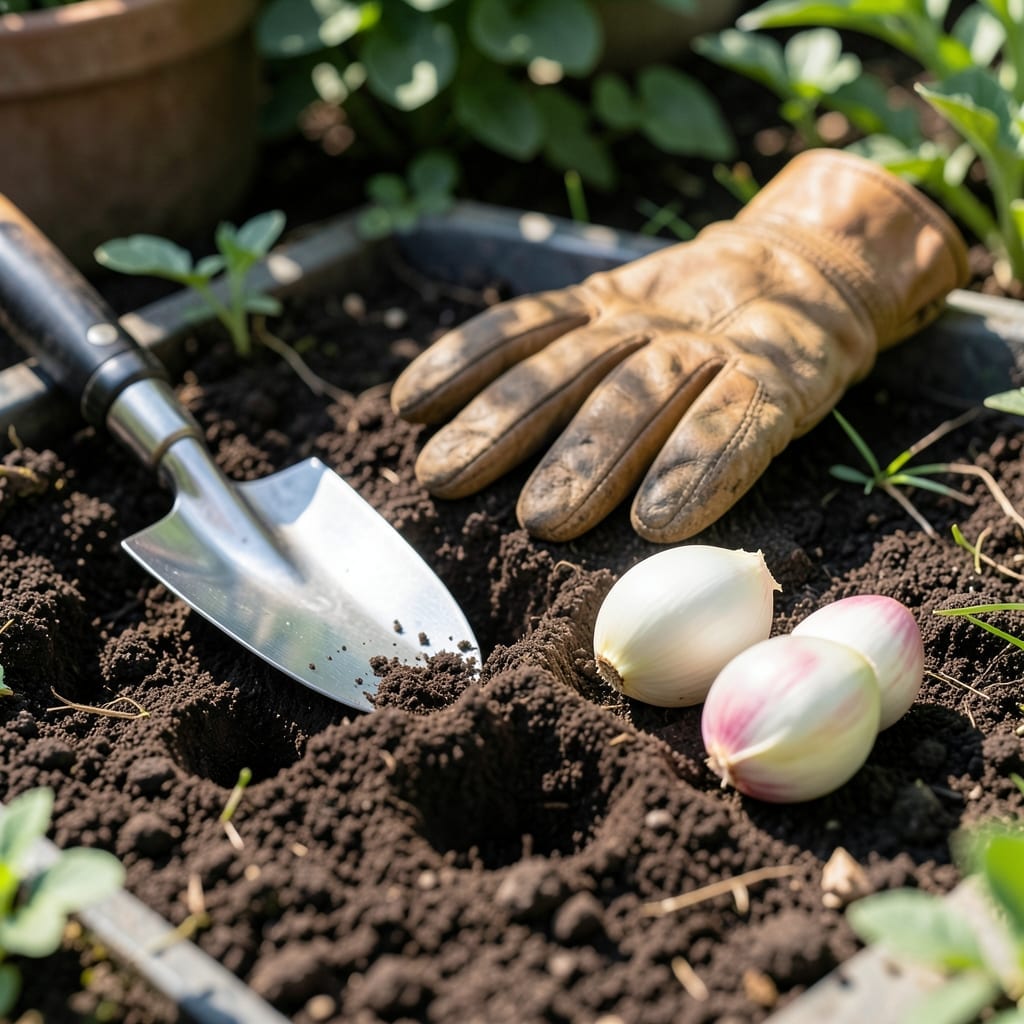
There’s nothing quite like seeing vibrant 🌷 Lily blooms lighting up your garden, but the magic starts long before those first petals appear. The timing of when you plant those bulbs makes all the difference.
I’ve learned that planting at the right moment sets your Lilies up for success. Too early or too late, and you might miss out on their full potential. It’s all about working with nature’s schedule.
Whether you’re in zone 6 or adjusting for your local climate, there’s an ideal window that gives your Lilies the best start. I’ll show you how to hit that sweet spot every time.
Discover the simple secrets to planting Lily bulbs that will reward you with stunning flowers season after season. Let’s make your garden the envy of the neighborhood.
Timing your lily bulb planting perfectly means understanding your climate zone. In most regions, you have two ideal windows: early spring or fall. This flexibility lets you work with your local weather patterns for best results.
The spring planting window typically runs from March to April, while fall planting is best from September to October. These periods give bulbs time to establish strong root systems before their active growing seasons.
| Season | Best For | Soil Temp |
|---|---|---|
| Spring | Warmer climates | 50-60°F |
| Fall | Cooler regions | 45-55°F |
| Early Winter | Mild zones | 40-50°F |
For USDA Zone 6 gardeners, I recommend planting in early fall for the most reliable results. This gives bulbs time to settle before winter dormancy. The soil should be well-draining and enriched with compost.
In warmer climates (Zones 7-9), you can plant as late as November. The bulbs will establish roots during mild winters. Just ensure they get 6+ hours of daily sunlight for optimal growth.
For colder regions (Zones 3-5), aim for early spring planting as soon as the ground is workable. This prevents winter frost damage. Adding mulch after planting helps protect against temperature fluctuations.
Remember that soil temperature is more important than calendar dates. Use a soil thermometer to check conditions. Bulbs need consistent moisture after planting but should never sit in waterlogged soil.
I’ve found that Asiatic lilies do especially well with fall planting, while Oriental varieties often prefer spring. Always check your specific variety’s preferences for the best timing.
If you’re unsure about your zone, your local cooperative extension office can provide tailored advice. They often have region-specific planting calendars that account for microclimates.
No matter when you plant, always choose healthy, firm bulbs and inspect them for signs of damage or disease. This simple step can prevent many common problems down the road.
🌷Getting lily bulbs in the ground properly ensures they’ll thrive and produce those gorgeous colorful blooms we all love. The key is in the details—depth, spacing, and soil prep matter more than you might think.
I always start by choosing a sunny spot with well-draining soil. Lilies hate soggy roots, so if your soil is heavy clay, amend it with compost or sand before planting.
After planting, I
If you’re planting in containers, use a pot with drainage holes and a quality potting mix. Lilies in pots may need more frequent watering since soil dries out faster in containers.
For the best results, I recommend planting in early spring or early fall. This gives bulbs time to establish roots before extreme summer heat or winter cold sets in.
Finally, mark your planting spots with garden stakes or labels. It’s easy to forget where bulbs are, especially in fall planting, and you don’t want to accidentally dig them up.
☀️