
Beautiful Plants For Your Interior
Beautiful Plants For Your Interior
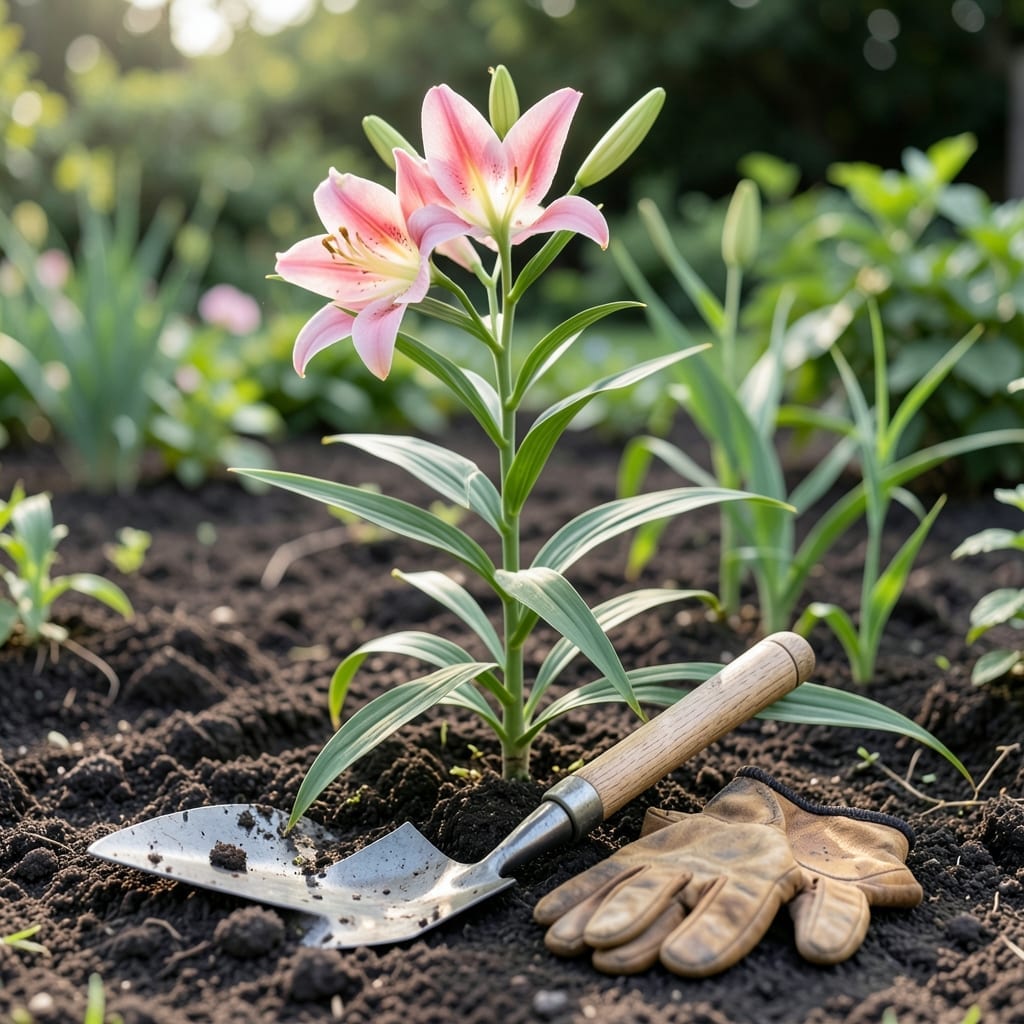
Timing is everything when planting Lily bulbs in Texas—plant too early or too late, and you risk stunted blooms or wasted bulbs. The Lone Star State’s unique climate demands precision.
I’ve learned the hard way that fall is the sweet spot for 🌷 Lilies here. Get it right, and you’ll be rewarded with vibrant, healthy flowers come spring.
Whether you’re in North Texas or the Gulf Coast, the window is tight but predictable. Miss it, and you’ll spend next season playing catch-up.
Discover the exact months to plant and why they matter. Your garden will thank you.
Texas spans USDA zones 6-10, meaning lily planting times vary widely. In North Texas (Zone 6-7), I plant bulbs in late September to avoid early frosts, while South Texas (Zone 9-10) gardeners can wait until November for cooler soil.
Central Texas (Zone 8) offers a sweet spot—I aim for mid-October planting. East Texas’s humidity requires well-draining soil to prevent bulb rot, so I always amend clay-heavy beds with compost before planting.
| Region | USDA Zone | Best Planting Months | Key Consideration |
| North Texas | 6-7 | Sept-Oct | Avoid early frosts |
| Central Texas | 8 | Oct-Nov | Moderate climate |
| East Texas | 8-9 | Oct-Nov | Improve drainage |
| South Texas | 9-10 | Nov-Dec | Wait for cooler soil |
For Asiatic lilies, I plant in early fall to establish roots before winter. Oriental lilies prefer slightly warmer soil, so I delay until mid-fall in cooler zones. Always check your local frost dates—Texas’s first frost can vary by 3-4 weeks even within a zone.
In drought-prone areas, I water deeply after planting to settle soil around bulbs. Mulching with 2-3 inches of organic matter helps retain moisture and insulates bulbs during temperature swings. This is especially critical in West Texas, where dry winds can desiccate bulbs.
For container-grown lilies, I follow the same timeline but monitor soil moisture more closely. Pots dry out faster than in-ground beds, so I check daily during the first week after planting. Use well-draining potting mix to prevent waterlogging, which is fatal to lily bulbs.
If you’re in Zone 10 (far South Texas), you might plant lilies in late winter instead. I’ve found January-February planting works well here, as bulbs need 12-14 weeks of cool temperatures to break dormancy. This mimics their natural vernalization process.
Remember that microclimates matter—urban areas like Houston or Dallas may have warmer pockets due to heat islands. I always observe my specific garden’s conditions rather than relying solely on zone generalizations.
For the best results, I test soil temperature with a soil thermometer. 60°F at 6-inch depth is ideal for planting. This ensures bulbs root quickly without risking heat stress or rot from cold, wet soil. 🌷
Planting lilies in Texas starts with understanding the soil conditions. Our state’s clay-heavy soil can be tricky, so I always recommend amending with compost or sand to improve drainage before planting. This ensures bulbs don’t rot in soggy ground.
For best results, plant bulbs 4-6 inches deep and space them 8-12 inches apart. This depth protects them from Texas heat while allowing roots to establish before winter. Always choose a sunny location with at least 6 hours of light daily.
I’ve found that fall planting works best in most Texas regions. The cooler temperatures help bulbs establish roots before summer heat arrives. In South Texas, you might plant as late as December, while North Texas gardeners should finish by November.
After planting, water deeply once to settle the soil. Then, maintain weekly watering unless rains do the job. Avoid overwatering—lilies prefer moist but not soggy conditions, especially in our humid areas.
For drought-prone regions, consider mulching with straw to conserve moisture. I’ve also had success with drip irrigation to deliver water directly to roots without wasting a drop in Texas’ dry spells.
Remember, Texas lilies thrive with minimal fuss once established. A little pre-planting prep and proper timing will reward you with stunning blooms for years to come. ✂️