
Beautiful Plants For Your Interior
Beautiful Plants For Your Interior
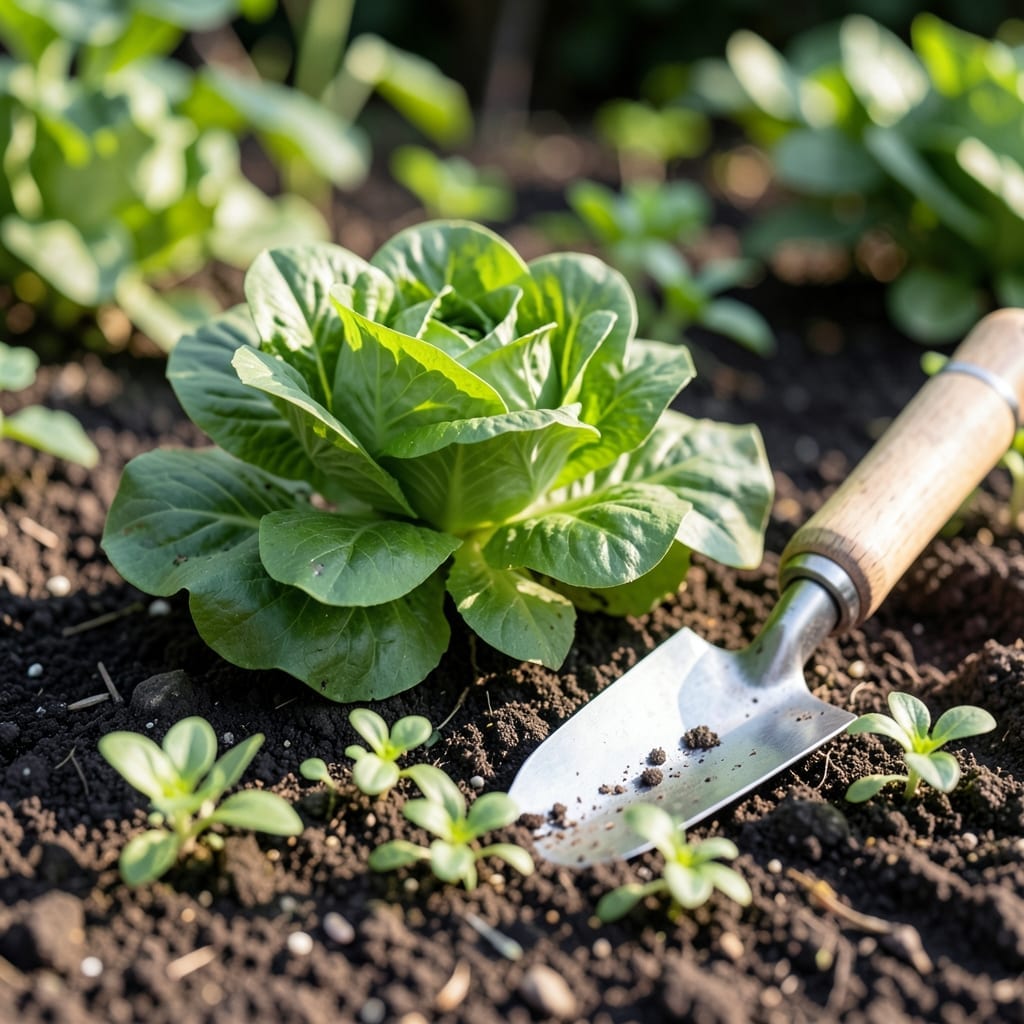
Timing is everything when growing crisp, flavorful 🥬 Lettuce in Washington State’s diverse climate zones. Plant too early or too late, and you risk bolted greens or stunted growth.
From the misty Puget Sound to the drier eastern regions, each area has its own rhythm. I’ve learned the hard way that following a one-size-fits-all calendar just doesn’t work here.
What if you could align your planting with 7b-9a microclimates for the best results? The good news is, you absolutely can with the right approach.
Let me walk you through the most effective windows and techniques to get your Lettuce thriving, no matter where you are in the state.
Washington’s diverse climate zones mean lettuce planting times vary dramatically. In Western WA, mild winters allow early spring planting as soon as soil is workable, often late February to March. Eastern WA gardeners must wait until mid-April after the last frost risk passes.
The Puget Sound region offers a sweet spot with March to April and August to September windows. For fall crops, plant 6-8 weeks before the first frost, typically by late August in most areas.
| Region | Spring Planting | Fall Planting | Last Frost Date |
|---|---|---|---|
| Western WA | Late Feb – March | Aug – Early Sept | March 15 |
| Puget Sound | March – April | Aug – Sept | April 15 |
| Eastern WA | Mid April – May | Late July – Aug | May 1 |
I always check soil temperature before planting—lettuce seeds germinate best at 40-80°F. Use a soil thermometer to confirm temps are above 40°F for at least 3 consecutive days. In cooler areas, cold frames can jumpstart the season.
For succession planting, I sow new seeds every 2-3 weeks until early summer. This ensures a continuous harvest rather than one big flush. Loose-leaf varieties like Black Seeded Simpson are perfect for this method.
In hot summer months, lettuce tends to bolt (go to seed). To prevent this, I plant in partial shade or use shade cloth to reduce heat stress. Butterhead and Romaine types handle warmth better than crisphead varieties.
Frost dates are critical for fall planting. Count backward from your area’s first frost date and plant seeds 6-8 weeks prior. This gives plants time to mature before cold weather hits. I’ve found August 15 works well for most of Western WA.
For Eastern WA gardeners, the shorter growing season means starting seeds indoors in late March for transplanting after frost. Hardy varieties like Winter Density can tolerate light frosts, extending the harvest window.
I also pay attention to microclimates in my garden. South-facing walls or raised beds warm up faster in spring, allowing earlier planting. Conversely, low-lying areas stay cooler longer and may need later sowing.
Remember that consistent moisture is key for lettuce. I water deeply 2-3 times per week, more in sandy soils. Drip irrigation works best to keep foliage dry and prevent disease. 🌱
Washington’s weather keeps gardeners on their toes, but I’ve found succession planting is the secret to a continuous lettuce harvest. By sowing new seeds every 2-3 weeks, you’ll always have fresh greens ready.
For those sudden heat waves or cold snaps, protective measures like shade cloth or cold frames can save your crop. These simple tools help regulate temperature and moisture.
I’ve had great success with container gardening for lettuce. It allows me to move plants to the best light and shelter them from harsh conditions. Even a small balcony can yield a bountiful crop.
Another trick is using row covers in early spring or late fall. They act like a mini greenhouse, trapping heat and protecting tender leaves from frost damage. Just
Watering consistently is key, especially during dry spells. Lettuce prefers moist but not soggy soil, so I check the top inch of soil daily and water as needed.
By combining these techniques, you can enjoy fresh homegrown lettuce from early spring through late fall, no matter what Washington’s weather throws at you 🌱