
Beautiful Plants For Your Interior
Beautiful Plants For Your Interior
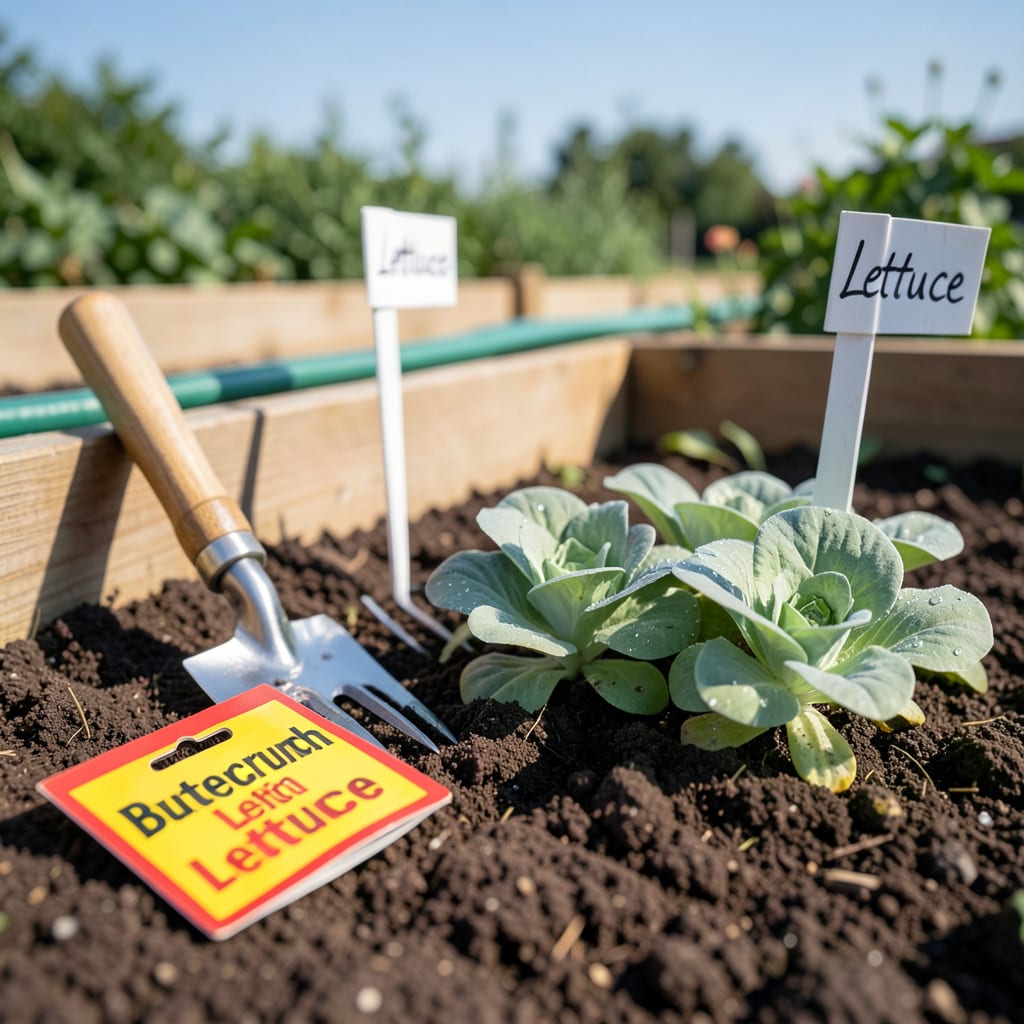
Nothing beats the taste of homegrown lettuce—crisp, fresh, and picked right from your garden. But in North Carolina, timing is everything. Plant too early, and frost might ruin your crop; wait too long, and the summer heat will turn those tender leaves bitter.
I’ve spent years perfecting the art of growing 🥬 lettuce in NC’s unpredictable climate, and I’ll let you in on the secrets. Whether you’re in the mountains or along the coast, you’ll learn the exact windows for spring and fall planting—so you can enjoy perfect harvests every time.
North Carolina’s diverse climate means one-size-fits-all planting advice just doesn’t work. From the coastal plains to the mountain peaks, your lettuce planting schedule shifts dramatically. I’ve tested these windows myself—trust me, nailing the timing makes all the difference.
The key? Work backward from your last frost date. In most of NC, that’s around April 15, but coastal gardeners get a head start. Soil temperature matters too—aim for 45–50°F for germination. Let’s break it down by region.
| Region | Spring Planting | Fall Planting | Notes |
|---|---|---|---|
| Coastal NC (Zone 8a) | Feb 15–Mar 15 | Sep 1–Oct 1 | Mild winters allow earliest starts. Watch for slugs in humid areas. |
| Piedmont (Zone 7a–7b) | Mar 1–Apr 1 | Aug 15–Sep 15 | Last frost ~April 10–15. Use row covers for early starts. |
| Mountains (Zone 5b–6b) | Mar 15–Apr 15 | Aug 1–Sep 1 | Cooler temps mean later planting. First frost can hit by Oct 1. |
For spring lettuce, I always sow seeds 2–3 weeks before the last frost. That gives seedlings time to establish before heat sets in. In the fall, count backward from your first frost date—you want mature plants before temperatures dip below 25°F.
Pro tip: Succession planting is your best friend in NC. Sow a new batch every 10–14 days until mid-May for spring, or early September for fall. This staggers your harvest and prevents gluts. I use a shade cloth in late spring to extend the season by a few weeks.
Not all lettuce varieties thrive equally here. For heat-tolerant options, try ‘Jericho’ or ‘Black Seeded Simpson’. These handle NC’s humid summers better than most. In cooler mountain areas, ‘Winter Density’ or ‘Arctic King’ excel in fall plantings.
Soil prep matters too. Lettuce loves loose, well-draining soil with plenty of organic matter. I mix in compost before planting and keep the pH between 6.0–6.8. If your soil is heavy clay (common in Piedmont), consider raised beds for better drainage.
Watch the 10-day forecast before direct sowing. If nighttime temps will dip below 40°F, hold off or use frost blankets. Seedlings can handle light frosts, but prolonged cold stunts growth. In fall, a cold frame can buy you an extra 2–3 weeks of harvest time.
Remember, urban heat islands (like Raleigh or Charlotte) can be 5–10°F warmer than surrounding areas. Adjust your planting dates 1–2 weeks earlier in cities. Rural gardens often follow the standard regional dates more closely.
Finally, don’t forget about microclimates in your own yard. A south-facing bed warms up faster than a shady north side. I’ve had lettuce thrive in partial shade during NC’s intense May sun—just monitor soil moisture closely.
By tailoring your approach to NC’s three distinct regions and watching those temperature swings, you’ll be harvesting crisp, sweet lettuce while others struggle with bitter, bolted plants. Now grab those seeds—your best lettuce season starts with perfect timing! 🌱
North Carolina’s temperature swings can cut your lettuce season short—but with a few smart tricks, I’ve stretched my harvests by weeks. The secret? Working with the weather, not against it. Here’s how to outsmart NC’s finicky climate.
First, shade cloth is your summer ally. When temps climb above 75°F, lettuce bolts fast. I drape 30–50% shade cloth over my beds by late May, keeping soil temps cooler. Coastal gardeners might need it earlier than mountain folks.
For fall lettuce, timing is everything. I start seeds indoors in late July (yes, really!) to transplant in August. This gives plants a head start before cooling temps slow growth. Use row covers at night if early frosts threaten.
Don’t overlook container gardening—it’s a game-changer in NC. I grow lettuce in shallow pots on my patio, moving them to shade as needed. Use a lightweight potting mix with extra perlite for drainage. Containers dry out faster, so check moisture daily.
Watch for pests like slugs (coastal areas) and aphids (statewide). I sprinkle diatomaceous earth around seedlings and use beer traps for slugs. Humidity also invites fungal issues—space plants 8–10 inches apart for airflow.
Here’s my pro move: Interplant lettuce with taller crops like tomatoes or trellised cucumbers. The shade from larger plants buys lettuce extra weeks in late spring. Just keep an eye on competition for water and nutrients.
Finally, harvest strategically. Pick outer leaves first (let the center keep growing) or cut whole heads 1 inch above soil—some varieties regrow! In fall, harvest before hard frosts (below 25°F) turn leaves mushy. With these tricks, I’ve harvested lettuce from March through December in my Piedmont garden. 🌿
Even experienced gardeners in North Carolina can trip up when growing lettuce. I’ve made (and fixed!) these mistakes myself—so you don’t have to. The biggest issue? Ignoring NC’s microclimates. What works in Asheville won’t fly in Wilmington.
First up: planting too late in spring. Lettuce bolts fast when temps hit 75°F+. I’ve seen perfect heads turn bitter overnight in May. Coastal gardeners, your window closes by mid-April—mountain folks get until early May. Always check your local frost dates!
1. Overcrowding seeds: Thin to 8–10 inches apart—crowded plants bolt faster and invite pests.
2. Skipping soil prep: Heavy clay? Mix in compost + perlite or use raised beds. Lettuce hates wet feet!
3. Afternoon watering: Wet leaves overnight = fungal parties. Water before 10 AM to let foliage dry.
Another classic blunder: wrong variety for the season. Planting ‘Buttercrunch’ in July? It’ll bolt before you blink. For summer, stick with heat-tolerant types like ‘Jericho’ or ‘Magenta’. Fall calls for cold-hardy ‘Winter Density’.
NC’s humidity is a double-edged sword. It keeps soil moist but also invites slugs and downy mildew. I lost an entire bed to slugs in coastal NC before learning this trick: beer traps (buried cups of stale beer) work better than pesticides. For mildew, space plants widely and water the soil, not leaves.
Don’t forget about soil pH. Lettuce prefers 6.0–6.8. Test your soil—Piedmont’s red clay often runs acidic. A sprinkle of lime in winter balances it. Too alkaline? Add sulfur or pine needles. I test mine every spring with a $10 kit from the co-op.
Finally, harvesting too late ruins all your hard work. Lettuce turns bitter and tough once it bolts. Harvest when leaves are 6–8 inches tall, or cut whole heads at the base. Morning is best—leaves are crispest then. Store unwashed in a bag with a paper towel to absorb moisture. 🪴
Summer heat is tough on lettuce, but it’s possible with the right approach. Opt for heat-tolerant varieties like ‘Jericho’ or ‘Magenta’ and use 30–50% shade cloth to block intense afternoon sun. Coastal gardeners may have slightly better luck than inland areas.
Lettuce needs consistent moisture, especially in NC’s variable weather. Water every 2–3 days in spring/fall, or daily during hot spells. Always water in the morning to prevent fungal issues. Drip irrigation works best to keep leaves dry.
Use row covers or frost blankets when temps dip below 28°F. For extra protection, try a DIY cold frame made from old windows. Mountain gardeners should be especially vigilant—frost can strike suddenly in higher elevations.
Bolting happens when lettuce gets stressed by heat or inconsistent watering. In NC, plant early spring or late fall to avoid summer heat. Choose slow-bolting varieties and keep soil evenly moist. Harvest leaves regularly to delay bolting.
Yes, but refresh the soil between plantings. Mix in 1–2 inches of compost and check pH (ideal: 6.0–6.8). NC’s clay-heavy soil benefits from added organic matter. Avoid replanting in the same spot immediately to prevent disease buildup.
