
Beautiful Plants For Your Interior
Beautiful Plants For Your Interior
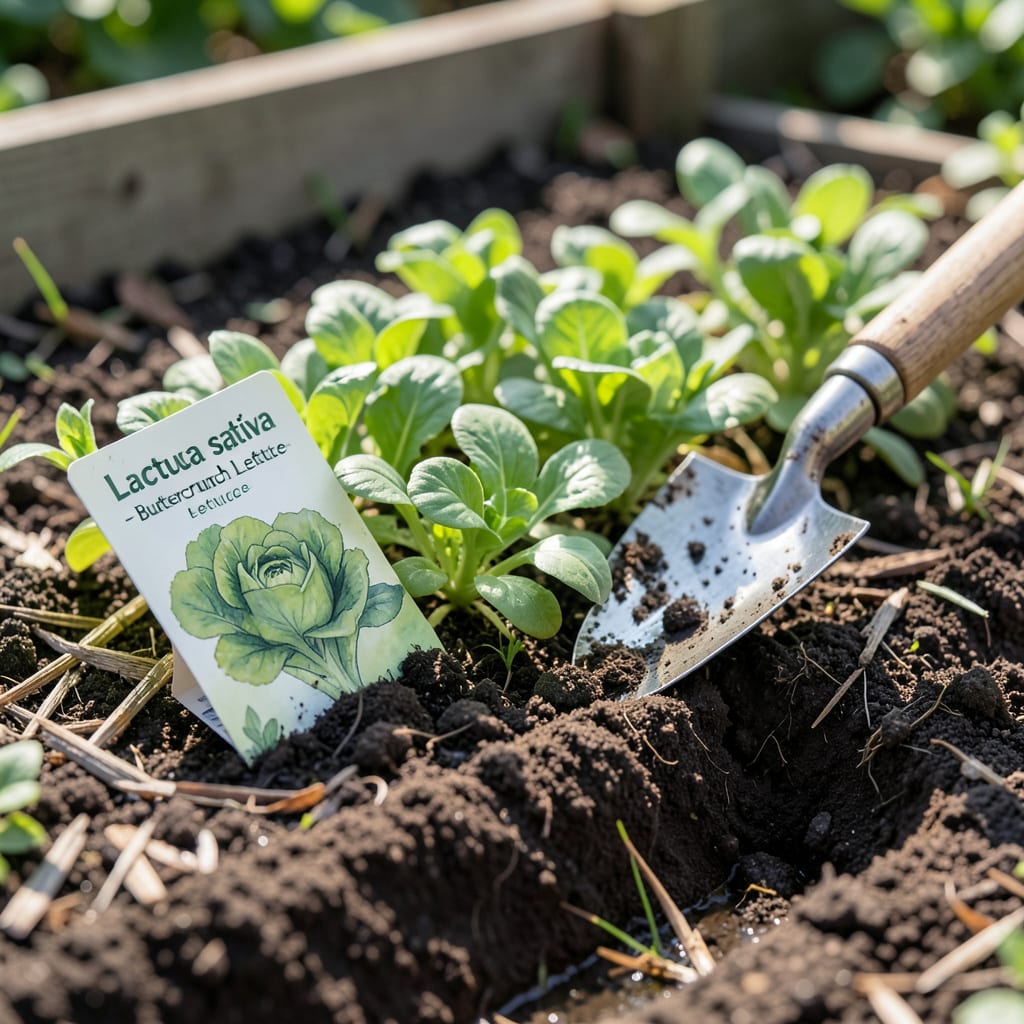
Missouri’s unpredictable weather can turn lettuce planting into a guessing game—plant too soon, and frost might wipe out your crop. Wait too long, and summer heat could send your 🥬 bolting before you get a single salad. But here’s the good news: with the right timing, you can enjoy fresh lettuce nearly year-round.
I’ve tested the best planting windows across Missouri’s zones, from St. Louis to rural farms, and the secret lies in working with—not against—the seasons. Whether you’re a first-time gardener or looking to refine your approach, I’ll show you exactly how to nail those spring and fall plantings for a bounty of crisp, homegrown leaves.
Missouri’s diverse climate zones (mostly 5b-7a) mean lettuce planting isn’t one-size-fits-all. In Northern Missouri, you’ll battle colder springs and earlier frosts, while Southern Missouri gardeners enjoy a longer window. The key? Watch your last frost date—typically April 15 in St. Louis but as late as May 1 in Kansas City.
Soil temperature is your best friend here. Lettuce seeds germinate best at 40–75°F, so I always check with a soil thermometer before sowing. If you’re eager to start early, row covers or cold frames can give you a 2–3 week head start. Just avoid soggy soil—lettuce hates “wet feet.”
💡 Pro Tip: For fall crops, count backward from your first frost date (Oct 15 in most of MO) and plant 6–8 weeks prior.
Spring planting is all about beating the heat. I aim to harvest my lettuce before temperatures hit 80°F, which means starting seeds indoors in late February for transplanting or direct-sowing by mid-March in warmer zones. If you miss the window, try shade cloth (30–50%) to buy extra time.
Fall lettuce is often sweeter and more reliable. The trick? Soil prep in August. I work in compost a few weeks before planting to ensure quick germination. For succession planting, sow new seeds every 10–14 days until early September. This staggers harvests and avoids gluts.
Don’t forget variety selection! In Missouri’s humid summers, I swear by ‘Jericho’ (heat-resistant) and ‘Buttercrunch’ (slow-bolting). For fall, ‘Winter Density’ handles cold snaps like a champ. Always check the days-to-maturity—opt for 45–55 days in spring, 30–40 days for fall.
One mistake I see often? Overcrowding. Lettuce needs 6–12 inches between plants for airflow, which prevents fungal diseases like downy mildew. If space is tight, use container gardens with well-draining potting mix and harvest outer leaves to extend production.
For urban gardeners, balconies and patios work great with 5-gallon containers. Just ensure they get 4–6 hours of sun daily and keep soil moist. I’ve grown ‘Salad Bowl’ lettuce in window boxes with success—just watch for aphids and blast them off with water.
If you’re dealing with clay-heavy soil (common in MO), amend with sand and compost before planting. Lettuce roots are shallow, so mulch with straw to retain moisture and regulate temperature. Avoid plastic mulch—it can overheat roots in summer.
Finally, pest watch: Slugs love lettuce as much as we do. I use beer traps or diatomaceous earth around beds. For rabbit pressure, a simple chicken wire cloche saves my crops every time. Happy planting—your salad bowl awaits! 🥬
Missouri’s rollercoaster weather demands lettuce varieties that can handle cold snaps and humid heat waves. After years of trial and error, I’ve found the winners. For early spring, ‘Winter Density’ is my go-to—it laughs at light frosts and stays crisp. Meanwhile, ‘Buttercrunch’ offers buttery leaves that resist bolting when temps climb.
When summer heat threatens, I switch to heat-tolerant champions like ‘Jericho’ (a slow-bolting romaine) or ‘Black Seeded Simpson’, which thrives even in 90°F spikes. These varieties buy you extra weeks before they turn bitter. For fall plantings, ‘Oakleaf’ and ‘Salad Bowl’ mature quickly and sweeten with cooler temps.
💡 Pro Tip: Mix fast-growing (30-day) and slow-bolting (60-day) varieties for continuous harvests.
For container gardeners, ‘Salad Bowl’ and ‘Little Gem’ are compact powerhouses. They fit in 5-gallon pots and tolerate partial shade—perfect for balconies. If you’re dealing with clay soil, ‘Looseleaf’ varieties like ‘Red Sails’ adapt better than head lettuces, which need looser dirt.
Timing matters too! Early spring calls for 45–55-day varieties (e.g., ‘Nevada’), while fall plantings should focus on 30–40-day types (e.g., ‘Baby Oakleaf’). I always check the days-to-maturity on seed packets and adjust for Missouri’s short fall window. A succession planting schedule every 2 weeks keeps my salad bowl full.
Watch for pest pressure—slugs adore tender lettuce. I interplant with ‘Arugula’ (a natural deterrent) or use copper tape around beds. For rabbit issues, a low tunnel with floating row covers works wonders. And if powdery mildew strikes, space plants 12 inches apart and water at the base—never overhead.
Don’t forget flavor profiles! ‘Red Leaf’ adds peppery notes, while ‘Bibb’ brings buttery sweetness. For urban gardeners, ‘Tom Thumb’ is a tiny but mighty mini-romaine. Experiment with mixes—like ‘Mesclun blends’—for gourmet salads in 30 days. With the right varieties, Missouri’s mood swings become your lettuce-growing advantage! 🌱
Count backward from your region’s first frost date (around October 15 for most of Missouri). Plant 6-8 weeks before that date, so aim for late August to early September. This gives plants time to mature before cold weather slows growth.
Use 30-50% shade cloth to block intense afternoon sun, and choose heat-tolerant varieties like ‘Jericho’ or ‘Black Seeded Simpson’. Mulch with straw to keep roots cool, and water deeply in the early morning to prevent wilting.
Use a south-facing window or grow lights, and plant in containers with well-draining potting mix. Keep soil moist and maintain temperatures between 60-70°F. Harvest outer leaves regularly for continuous production.
Bolting usually happens when plants experience heat stress or inconsistent watering. In Missouri, plant early spring or late summer to avoid peak heat. Use shade cloth and keep soil evenly moist. Choose slow-bolting varieties like ‘Buttercrunch’ for better results.
Look for leaves that reach 4-6 inches in length and feel tender. For head varieties, wait until the center feels firm but not hard. Harvest in the morning for the crispest leaves, and use clean scissors to cut just above the soil line.
