
Beautiful Plants For Your Interior
Beautiful Plants For Your Interior
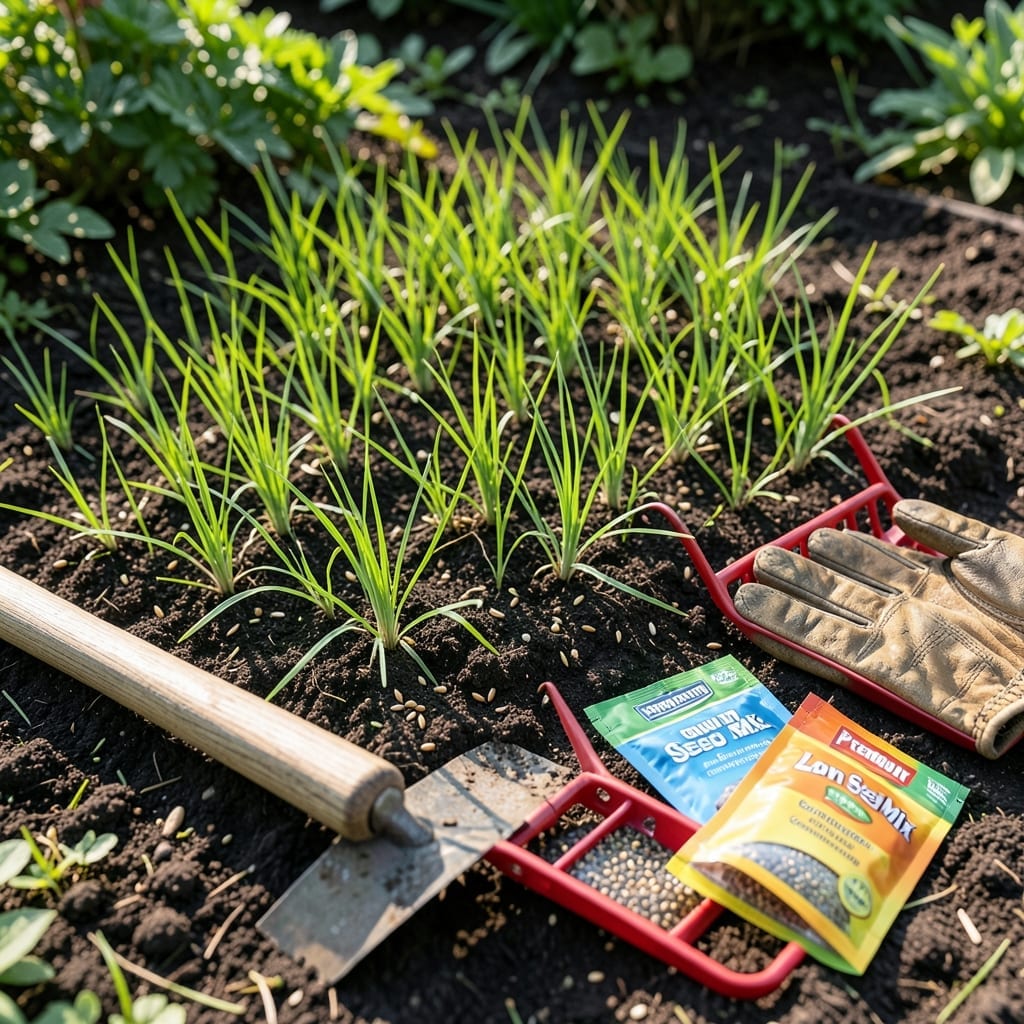
Timing is everything when it comes to planting Lawn Grass 🌱 in the fall. Get it right, and you’ll enjoy a thick, vibrant lawn come spring—get it wrong, and you risk wasted effort and patchy growth.
In Zone 6, the window between August and October is prime, but the exact timing depends on more than just the calendar. Soil temperature and frost dates play a huge role in success.
I’ve seen too many people plant too late, only to watch their seeds struggle through winter. The key is giving your Lawn Grass enough time to establish roots before the cold sets in.
Discover the best practices to ensure your fall seeding thrives, from soil prep to post-planting care. Let’s get your lawn off to the right start.
Fall is the perfect season for planting lawn seed because the cooler temperatures and consistent moisture create ideal germination conditions. I’ve found that early fall, specifically late August to mid-September, is the sweet spot for most regions.
This timing allows seeds to establish roots before winter dormancy. The soil temperature stays warm enough to support growth while the air is cool, reducing stress on new seedlings. Plus, weeds are less competitive this time of year.
| Specification | |
|---|---|
| Ideal Months | August-October |
| Soil Temp | 50-65°F |
| Frost Timeline | 4-6 weeks before first frost |
| Sunlight Needs | 6+ hours daily |
In northern climates, aim to plant by early September to give grass 6-8 weeks to establish before the first frost. I’ve seen lawns struggle when seeded too late, as cold soil slows germination.
For southern regions, you can push planting to late September or early October. The warmer soil extends the growing window, but avoid planting if nighttime temps drop below 50°F consistently.
Soil preparation is just as critical as timing. I always test soil pH first—lawn grass thrives in slightly acidic soil (pH 6.0-7.0). Add lime or sulfur to adjust if needed before seeding.
Aerate compacted soil and remove debris to ensure good seed-to-soil contact. I like to add a thin layer of compost to boost nutrients. This step improves germination rates significantly in my experience.
After planting, maintain consistent moisture without overwatering. I water lightly daily for the first 2 weeks, then transition to deeper, less frequent watering as roots develop. This mimics natural rainfall patterns.
Don’t forget about post-planting care. I avoid heavy foot traffic on new lawns for 6-8 weeks. The first mow should happen when grass reaches 3-4 inches, but never remove more than 1/3 of the blade at once.
Regional variations matter too. In transition zones, like the Midwest, timing can shift based on microclimates. I always check local extension office guidelines for precise frost dates.
With the right timing and care, your fall-planted lawn will establish strong roots and come back thicker and healthier next spring 🌱
Planting lawn seed in fall gives it a head start before winter. I always aim for early September in Zone 6, when soil is still warm but air temps are cooling.
The key is preparing your soil properly first. Remove debris, loosen the top 2-3 inches, and level the surface for even seed distribution.
Fall Planting Steps:
For seed selection, choose a mix suited to your climate. In cooler regions, Kentucky Bluegrass or Fescue work well. Always check the label for fall planting suitability.
Watering is critical—keep soil consistently moist but not soggy. I use a light sprinkler twice daily for the first week, then taper off as seeds sprout.
Post-planting care includes avoiding heavy foot traffic. New seedlings are fragile, so I keep pets and kids off the area for at least 2-3 weeks.
Finally, apply a starter fertilizer high in phosphorus to promote root growth. This gives your lawn the best chance to thrive before winter dormancy.
With proper timing and care, your fall-planted lawn will reward you with lush green growth next spring 🌱