
Beautiful Plants For Your Interior
Beautiful Plants For Your Interior
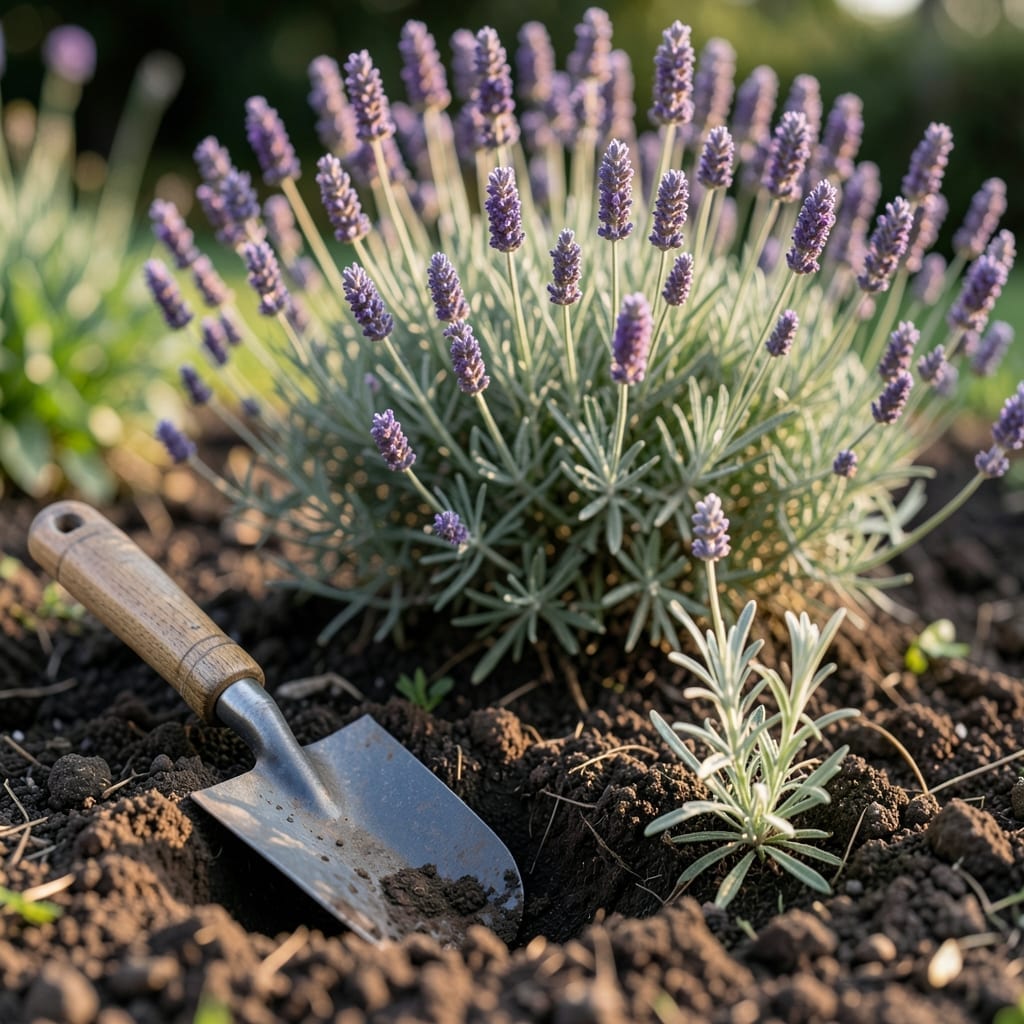
Timing is everything when planting Lavender 💜 in Washington State’s diverse climate zones. Plant too early or late, and your fragrant blooms may struggle to thrive.
Washington’s unique weather patterns mean one size doesn’t fit all for this delicate herb. Whether you’re in the rainy west or the drier east, knowing your zone makes all the difference.
I’ll show you the most important windows to plant for vibrant, healthy growth. These are the moments when your Lavender will establish strong roots before summer heat or winter chill sets in.
Discover how to work with Washington’s seasons, not against them, for blooms that will make your garden the envy of the neighborhood.
Washington’s diverse USDA zones (4-9) mean lavender planting times vary significantly. In Western WA (Zones 7-9), I recommend early spring planting as soon as soil warms to 60°F. This typically falls between mid-March and early April ☀️
For Eastern WA (Zones 4-6), wait until late April to early May after the last frost. The Columbia Basin’s arid climate allows for slightly earlier planting than the Spokane area, where frost lingers longer 🌡️
🌱 Washington Lavender Planting Guide by Zone
| Zone | Planting Window | Last Frost Date | Soil Temp |
|---|---|---|---|
| 4-6 (Eastern) | Late April – Early May | May 15 | 60°F+ |
| 7-9 (Western) | Mid-March – Early April | March 15 | 60°F+ |
In Zone 7b (Seattle area), I’ve found late March works well if we’ve had a mild winter. The Puget Sound’s marine influence moderates temperatures, but drainage is crucial during our wet springs 💧
Fall planting can work in Zones 7-9 if done 6-8 weeks before first frost. This gives roots time to establish before winter. In Zone 8 (Olympia), aim for early September planting.
For Zone 6 (Wenatchee), I’d avoid fall planting entirely. The shorter growing season and harsh winters make spring planting the safer choice. Container planting can extend the season for these areas ✂️
Soil temperature is more important than calendar dates. I always check with a soil thermometer before planting. Lavender roots need that 60°F minimum to prevent rot in our cool, wet springs.
In Zone 9a (Vancouver area), you can push planting to early March. But watch for late frosts—I’ve lost young plants to unexpected April cold snaps before 🌿
For high elevation areas in any zone, add 2-3 weeks to these timelines. The Cascade Mountains create microclimates that can be 5-10°F cooler than nearby valleys.
Remember that English lavender (Lavandula angustifolia) handles our cooler climates better than Spanish or French varieties. I always recommend ‘Munstead’ or ‘Hidcote’ for Washington gardens.
Finally, if you’re unsure about your specific location, consult the WSU Extension office. They have hyper-local data that can fine-tune these recommendations for your exact microclimate 🌳
Preparing the right foundation is crucial for lavender to thrive in Washington’s varied climate. I always start by testing soil pH—lavender prefers a slightly alkaline environment between 6.5 and 7.5. This step ensures your plants won’t struggle with nutrient uptake.
Drainage is non-negotiable for this Mediterranean native. In our rainy Puget Sound region, I recommend raised beds or sandy loam to prevent waterlogged roots. Eastern WA’s drier climate still benefits from well-draining soil to avoid rot.
Steps for Perfect Lavender Soil Prep:
Sunlight is another key factor. Lavender demands full sun—at least 6-8 hours daily. In Western WA, I position plants where they’ll catch morning sun to dry dew quickly, reducing fungal risks.
For Eastern WA gardeners, the intense summer sun is ideal, but young plants may need temporary shade during peak heat. I’ve found that mulching with gravel helps maintain soil temperature and moisture balance.
Don’t overlook microclimates in your yard. A south-facing wall can create a warmer pocket perfect for lavender, while low-lying areas may stay too damp. I always scout my garden for these natural advantages before planting.
Finally, remember that less is more with lavender. Over-fertilizing or overwatering will do more harm than good. Stick to minimal supplements and let this resilient plant do what it does best—thrive with minimal fuss.
☀️