
Beautiful Plants For Your Interior
Beautiful Plants For Your Interior
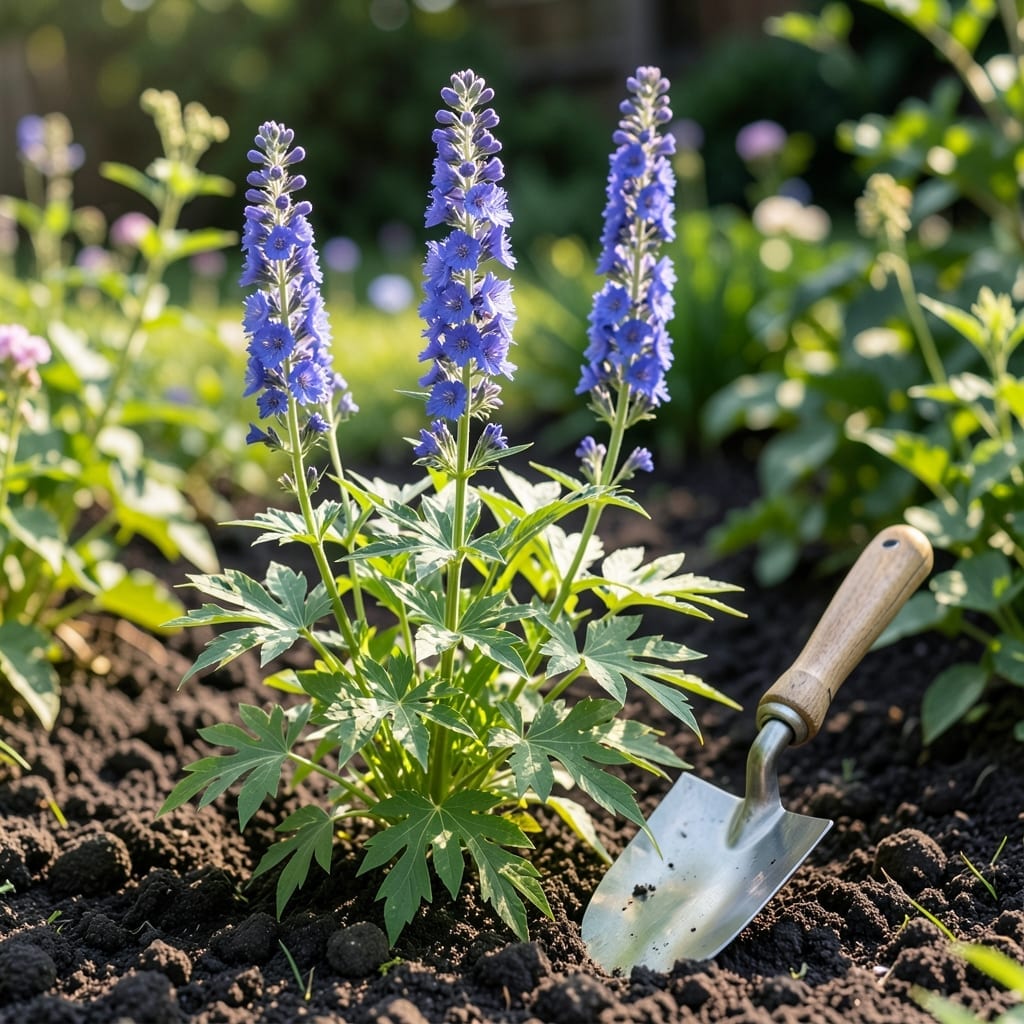
Timing is everything when it comes to growing Larkspur 🌸, the stunning annual known for its towering spikes of vibrant blooms. Plant too early or too late, and you might miss out on a spectacular summer display.
I learned this the hard way when my first attempt resulted in weak, sparse flowers. The difference the right schedule makes is amazing.
Whether you’re in zone 6 or adjusting for your local climate, nailing the timing transforms your garden. These tall, colorful beauties thrive when planted at just the right moment.
Discover how to align your planting with nature’s rhythm for the most vibrant blooms. Let’s get your Larkspur off to the perfect start.
Getting larkspur planting timing right means understanding your USDA hardiness zone first. These tall, colorful annuals thrive when sown at the optimal temperature for germination, typically between 60-70°F soil temperature. 🌱
In cooler zones like 3-5, I recommend planting larkspur seeds in early spring as soon as the soil can be worked. For warmer zones 7-9, fall planting often works better to avoid summer heat stress. 🌿
| USDA Zone | Planting Window | Notes |
|---|---|---|
| 3-5 | Early Spring | Sow after last frost date |
| 6-7 | Spring or Fall | Both seasons work well |
| 8-9 | Fall | Avoid summer heat |
| 10+ | Winter | Cool season planting |
For zone 6 gardeners like me, the ideal window is March to April or September to October. I’ve found that spring planting gives me summer blooms, while fall planting produces early spring flowers. ✂️
The soil temperature is crucial for larkspur germination. I always check with a soil thermometer to ensure it’s at least 60°F before sowing. In my experience, seeds planted in cold soil often rot or fail to sprout.
In warmer climates, I’ve seen gardeners successfully plant larkspur in winter for early spring blooms. The key is ensuring the seeds don’t dry out during germination. A light mulch can help maintain moisture.
For fall planting, I recommend sowing seeds 6-8 weeks before your first expected frost. This gives them enough time to establish roots before winter dormancy. In my garden, this usually means planting by mid-September.
Remember that larkspur prefers well-draining soil and full sun. I always amend my planting area with compost before sowing to improve both drainage and fertility. This simple step makes a noticeable difference in plant vigor.
If you’re in a mild winter area, you might get away with winter planting. However, in my experience, the best results come from sticking to the recommended windows for your specific zone.
Finally, I’ve learned that consistency is key with larkspur. Whether you choose spring or fall planting, stick to a schedule and give your seeds the best possible start for those stunning flower spikes. 🌷
Planting larkspur seeds outdoors is straightforward if you follow a few key steps. I always start by choosing a sunny location with well-draining soil to prevent waterlogging, which can rot the seeds before they sprout.
Once the last frost date has passed in spring, or in early fall for cooler climates, it’s time to sow. Larkspur thrives in cool soil, so avoid planting during the heat of summer.
After sowing, I
Larkspur prefers full sun but can tolerate partial shade, especially in hotter regions. In my experience, plants in sunnier spots produce taller, sturdier stems and more abundant blooms.
Avoid over-fertilizing, as too much nitrogen can lead to leafy growth at the expense of flowers. A light application of balanced fertilizer at planting time is usually sufficient.
With proper timing and care, your larkspur will reward you with stunning spikes of blooms from early summer to fall. I love watching them attract pollinators like bees and butterflies to my garden 🌸