
Beautiful Plants For Your Interior
Beautiful Plants For Your Interior
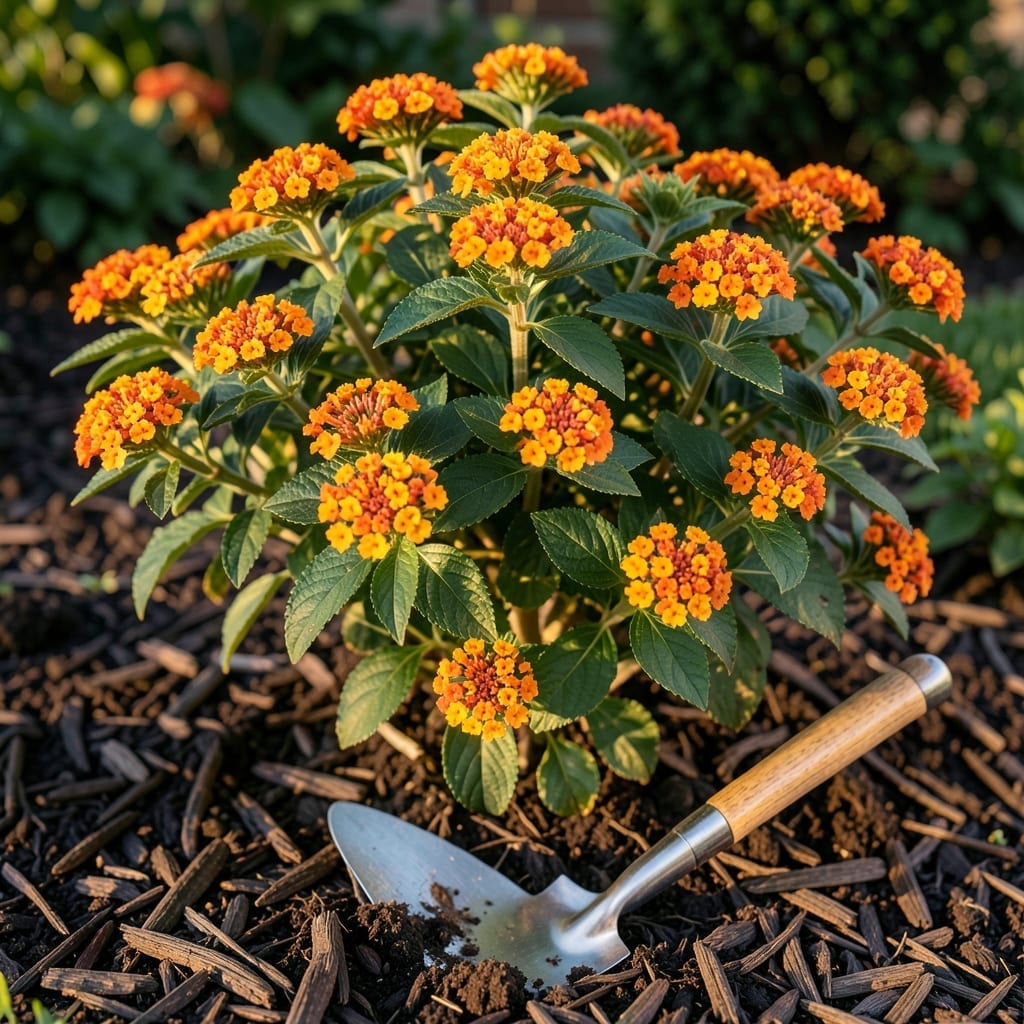
Timing is everything when planting lantana in North Carolina—get it right, and you’ll enjoy vibrant, heat-loving 🌸 blooms all season long.
This drought-tolerant perennial thrives in NC’s climate, but planting too early or late can spell disaster. I’ve seen more than a few gardeners make this mistake.
Understanding the optimal window for zones 7b-8a will set you up for success. The key lies in waiting for the right conditions.
Let me walk you through the best approach to ensure your Lantana establishes strong roots and bursts into color when it matters most.
North Carolina spans USDA zones 7a-8b, and timing your lantana planting correctly makes all the difference. I always recommend waiting until the soil warms and the risk of frost has passed.
For most of NC, mid-April through May is the sweet spot. This gives your lantana the warm soil it craves while avoiding late-season cold snaps.
| Zone | Planting Window | Last Frost Date |
|---|---|---|
| 7a | April 15 – May 15 | April 10 |
| 7b | April 10 – May 10 | April 5 |
| 8a | March 25 – April 25 | March 25 |
| 8b | March 20 – April 20 | March 20 |
In zone 7a, the last frost typically hits around April 10, so I’d plant lantana no earlier than mid-April. This ensures the soil is warm enough for root development.
For zone 8b, you can start as early as late March. The warmer climate allows for an earlier start, but keep an eye on unexpected cold fronts.
Lantana thrives in full sun and well-draining soil. If you’re planting in containers, ensure they have drainage holes to prevent root rot. I’ve found that morning planting reduces transplant shock. ☀️
The ideal soil temperature for lantana is 60°F or warmer. Use a soil thermometer to check—it’s a small investment that pays off in healthy plants.
If you’re eager to get a head start, you can begin lantana seeds indoors 6-8 weeks before the last frost. This gives you a jump on the growing season, especially in cooler zones.
Fall planting is possible in NC, but it’s riskier. If you try it, aim for early September to give roots time to establish before the first frost. Mulching heavily can help protect young plants from cold.
Remember, lantana is drought-tolerant once established, but it needs consistent moisture during its first few weeks in the ground. I recommend deep watering 2-3 times per week initially.
Watch for pest pressures like whiteflies or aphids, which are common in NC’s humid summers. Regular inspections and neem oil treatments can keep them at bay.
To get the most from your lantana in NC, start by preparing well-draining soil with plenty of organic matter. I always mix in compost before planting to boost fertility and moisture retention.
Spacing is key for air circulation and disease prevention. I plant my lantana 18-24 inches apart to give each plant room to spread without competing for nutrients.
🌱 Top 5 NC Lantana Growing Tips:
Lantana thrives in NC’s humid summers, but it needs consistent moisture during its first growing season. I water my plants deeply once a week, increasing to twice weekly during extreme heat.
For brighter blooms, I use a balanced fertilizer with a 10-10-10 ratio. Apply it every 4-6 weeks during the growing season, but avoid over-fertilizing as it can reduce flowering.
Watch out for powdery mildew in humid conditions. I prevent this by watering at the base and ensuring good air circulation between plants. A little prevention goes a long way.
With proper care, your lantana will reward you with vibrant colors from late spring through fall. The key is consistent care and attention to NC’s unique growing conditions. ✂️