
Beautiful Plants For Your Interior
Beautiful Plants For Your Interior
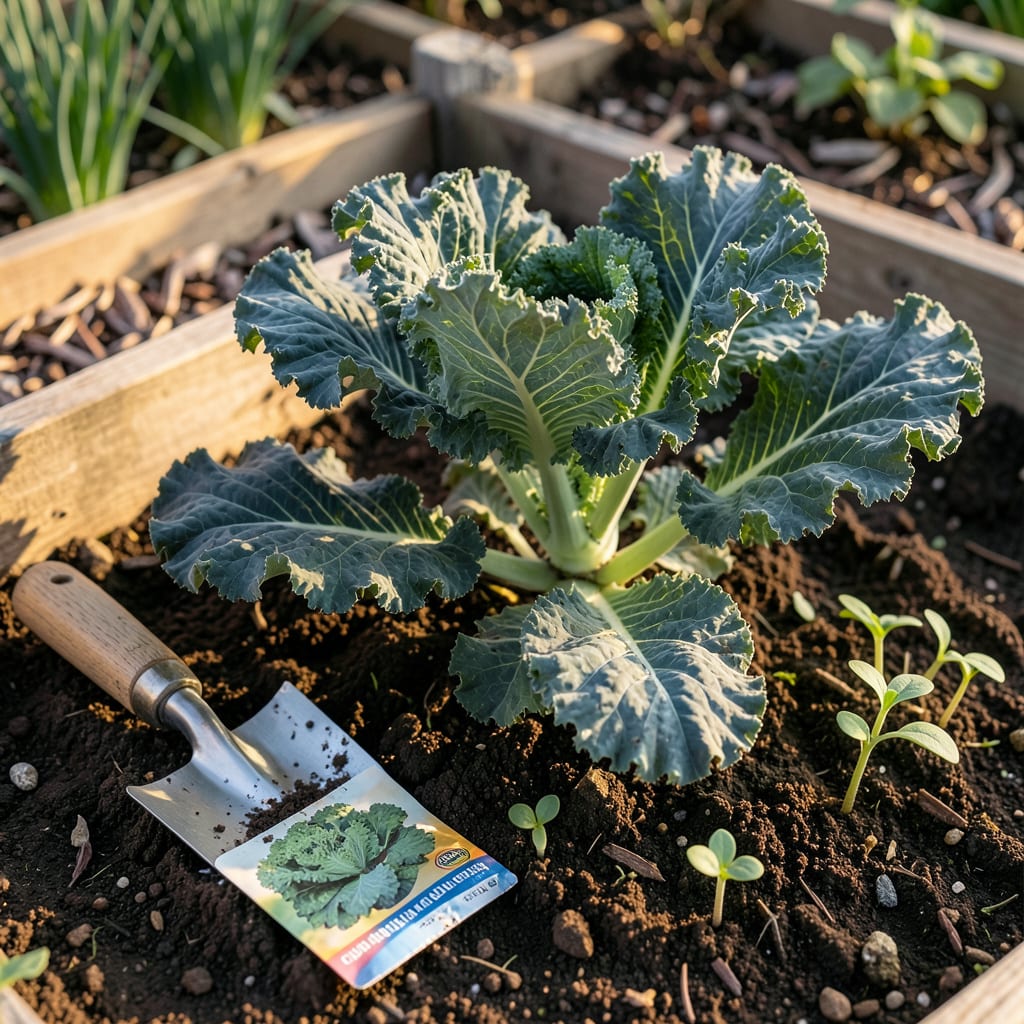
Timing your kale planting in Zone 7 can mean the difference between bitter, tough leaves and sweet, tender harvests. I’ve seen gardeners struggle with bolting spring crops or stunted fall growth—all because they missed the ideal windows by just a few weeks.
Here’s the good news: with the right schedule, you can enjoy crisp kale from early spring through winter. I’ll break down the exact months to plant, how frost dates impact flavor, and why your fall crop might just outshine your spring one. Let’s get that 🥬 thriving.
If you’re growing kale in Zone 7, timing is your secret weapon. This cool-season crop thrives when temperatures stay between 40–75°F, making both spring and fall ideal. But here’s the catch: plant too late in fall, and your kale won’t mature before winter. Start too early in spring, and heat will turn those tender leaves bitter and bolted.
Zone 7 gardeners actually get two prime planting windows—one in early spring (February to March) and another in late summer (August to September). The key is working backward from your last frost date (April 15) for spring and your first frost date (November 1) for fall. Let me break down exactly when to sow those seeds for maximum sweetness and yield.
| Planting Window | When to Plant | Harvest Time | Key Notes |
|---|---|---|---|
| Early Spring | Feb 15–Mar 15 | May–June | Sow 4–6 weeks before last frost (April 15). Use row covers if late frosts threaten. |
| Late Summer | Aug 15–Sep 15 | Oct–Dec | Plant 6–8 weeks before first frost (Nov 1). Fall kale is sweeter after light frosts! |
| Winter Overwintering | Oct 1–15 | Spring (Mar–Apr) | Use cold-hardy varieties like ‘Winterbor’. Mulch heavily for protection. |
Pro Tip: Succession plant every 2–3 weeks in fall for continuous harvests through winter.
For spring planting in Zone 7, I always aim to sow seeds indoors 6–8 weeks before our last frost (around April 15) or direct-sow outdoors 4–6 weeks prior. This gives plants enough time to mature before temperatures climb above 75°F, which triggers bolting. If you’re direct-seeding, wait until soil temps hit at least 40°F—kale seeds won’t germinate well in colder ground.
The fall planting window is where Zone 7 gardeners really shine. I start seeds indoors in late July or direct-sow in mid-August, about 10–12 weeks before our first frost. This timing ensures plants are well-established but not overgrown when cold weather hits. Remember, kale actually improves in flavor after light frosts, so don’t rush to harvest—let those leaves sweeten up!
One mistake I see gardeners make is planting all their kale at once. Instead, I recommend succession planting—sow a new batch every 2–3 weeks from mid-August through September. This staggers your harvest so you’re not overwhelmed with kale all at once. Plus, if one planting gets hit by pests or weird weather, you’ve got backups ready to go.
If you’re feeling adventurous, try overwintering kale in Zone 7. Varieties like ‘Winterbor’ or ‘Red Russian’ can survive temperatures down to 10°F with proper protection. I plant these in early October, mulch heavily with straw, and use row covers on the coldest nights. Come spring, they’ll bolt to seed, but you’ll get months of harvests from a single planting.
Soil temperature matters more than you might think. For spring planting, I use a soil thermometer to confirm temps are consistently above 40°F before sowing. In fall, watch for soil temps below 85°F—kale seeds struggle to germinate in hot soil. A quick trick? Lay a piece of shade cloth over your planting area for a few days to cool the soil before sowing in late summer.
Don’t forget about day length—it dramatically affects kale’s flavor and growth. Spring-planted kale often bolts quickly because increasing daylight triggers flowering. Fall-planted kale, however, benefits from shortening days, which encourages leafy growth and sweeter flavors. If you’re planting in spring, choose bolt-resistant varieties like ‘Lacinato’ or ‘Dwarf Blue Curled’ to extend your harvest window.
Finally, keep an eye on the 10-day forecast when planning your plantings. If a surprise late frost is predicted in spring, be ready with frost blankets or cloches. In fall, an unexpected heatwave might mean delaying planting by a week. Flexibility is key—Zone 7’s weather can be unpredictable, but with these timing guidelines, you’ll be set up for kale success all season long.
Getting a long, productive kale harvest in Zone 7 isn’t just about timing—it’s about working with our climate’s quirks. I’ve found that small tweaks like succession planting and smart season extension can double or even triple your harvest window. Here’s how I keep my kale thriving from fall through spring.
One game-changer is using row covers strategically. In fall, I drape lightweight fabric over my kale beds when nighttime temps dip below 28°F. This protects tender leaves while still allowing light and water through. Come spring, I switch to shade cloth when temperatures climb above 70°F to prevent bolting.
Zone 7 Bonus: ‘Winterbor’ kale can survive 10°F with protection—perfect for overwintering!
Soil preparation makes a huge difference in Zone 7’s variable climate. I amend my beds with compost and a balanced fertilizer (like 5-10-10) before planting. Our clay-heavy soils benefit from added organic matter to improve drainage—especially important for fall plantings when we get heavy rains. A quick soil test is worth it; kale prefers a pH of 6.0–7.0.
Watering consistency is key, but don’t overdo it. I water deeply once a week (about 1 inch total), adjusting for rain. In fall, morning watering is crucial—wet leaves overnight invite fungal diseases. My trick? Use a soaker hose on a timer to deliver water directly to roots while keeping foliage dry.
Pest management in Zone 7 often means battling cabbage worms and aphids. I plant companion flowers like nasturtiums and alyssum to attract beneficial insects. For immediate problems, a sharp blast from the hose dislodges aphids, while BT (Bacillus thuringiensis) spray handles caterpillars without harming pollinators.
Don’t overlook the power of microclimates in your yard. South-facing beds warm up faster in spring, while north-facing spots stay cooler longer—perfect for extending fall harvests. I’ve had great success planting kale along my home’s foundation where it gets afternoon shade in summer but reflects heat in winter.
Finally, keep experimenting with varieties. In Zone 7, I’ve found ‘Lacinato’ handles spring heat best, while ‘Red Russian’ grows quickly for early fall harvests. For winter production, nothing beats ‘Winterbor’‘s cold tolerance. Try a few types each season to see what thrives in your specific microclimate.
Not all kale is created equal—especially in Zone 7’s unpredictable climate. I’ve tested dozens of varieties over the years and found that matching the right type to our seasons makes all the difference. Some thrive in our spring heat waves, while others laugh at winter’s 10°F freezes.
For spring planting, you need varieties that resist bolting when temperatures climb. My top pick is ‘Lacinato’ (also called Dinosaur Kale) because it handles 75°F+ days better than most. Its dark blue-green leaves stay tender longer, and the bumpy texture makes it less appealing to pests like cabbage worms.
| Variety | Best Season | Cold Tolerance | Days to Harvest | Flavor Profile |
|---|---|---|---|---|
| Winterbor | Fall/Winter | 10°F | 55–65 | Sweetens after frost, crisp texture |
| Lacinato | Spring/Fall | 20°F | 60–70 | Earthy, nutty, holds texture in heat |
| Red Russian | Early Fall | 15°F | 50–60 | Tender, sweet, flat leaves |
| Dwarf Blue Curled | Spring | 25°F | 55–65 | Mild, slightly peppery, bolt-resistant |
Zone 7 Tip: For winter harvests, plant ‘Winterbor’ in October and protect with 12″ of mulch + row covers.
When winter rolls around, ‘Winterbor’ becomes my go-to. This variety survives Zone 7 winters with minimal protection, and its flavor actually improves after frost. I plant it in early October, mulch with 4–6 inches of straw, and cover with row fabric during hard freezes. The leaves stay sweet and tender even when temperatures dip to 10°F.
For quick harvests, I love ‘Red Russian’—it matures in just 50 days and has a milder flavor that kids prefer. The flat leaves are easier to clean than curly varieties, and it’s perfect for baby leaf harvests. Plant it in late August for October harvests, or in March for an early spring crop before the heat sets in.
If you’re new to growing kale in Zone 7, I recommend starting with ‘Lacinato’ for spring and ‘Winterbor’ for fall. These two varieties cover most of our growing season and handle our climate extremes well. Once you’ve mastered these, experiment with others like ‘Scarlet’ (purple leaves) or ‘Premier’ (extra cold-hardy) to add variety to your garden.
Remember that microclimates in your yard can affect which varieties perform best. I’ve noticed that ‘Red Russian’ does better in my slightly shadier north-facing beds, while ‘Winterbor’ thrives in the sunnier south-facing area. Keep notes on what works where—your garden’s unique conditions might favor different varieties than your neighbor’s.
Planting before soil reaches 40°F risks poor germination. Even worse, early-sown kale exposed to 75°F+ temperatures will bolt quickly, turning leaves bitter. Wait until February 15–March 15 for direct sowing in Zone 7.
Almost! With protection, kale thrives fall through spring. Summer’s heat is the challenge. Use 50% shade cloth and plant heat-tolerant varieties like ‘Lacinato’ for summer harvests. Expect slower growth in peak heat.
Sow by October 15 for winter production. Varieties like ‘Winterbor’ survive 10°F with mulch. Later plantings won’t size up before growth slows. Use row covers to extend the window by 2–3 weeks.
Yes! Zone 7a’s first frost (Oct 20–30) comes 2–3 weeks earlier than 7b. Shift fall planting 1 week earlier in 7a. Spring dates are similar, but 7a gardeners should watch for late frosts through April.
Light frosts convert starches to sugars—nature’s antifreeze! Varieties like ‘Red Russian’ develop deeper flavor after 25°F exposure. Spring kale grows fast but lacks this sweetness boost from cold nights.
