
Beautiful Plants For Your Interior
Beautiful Plants For Your Interior
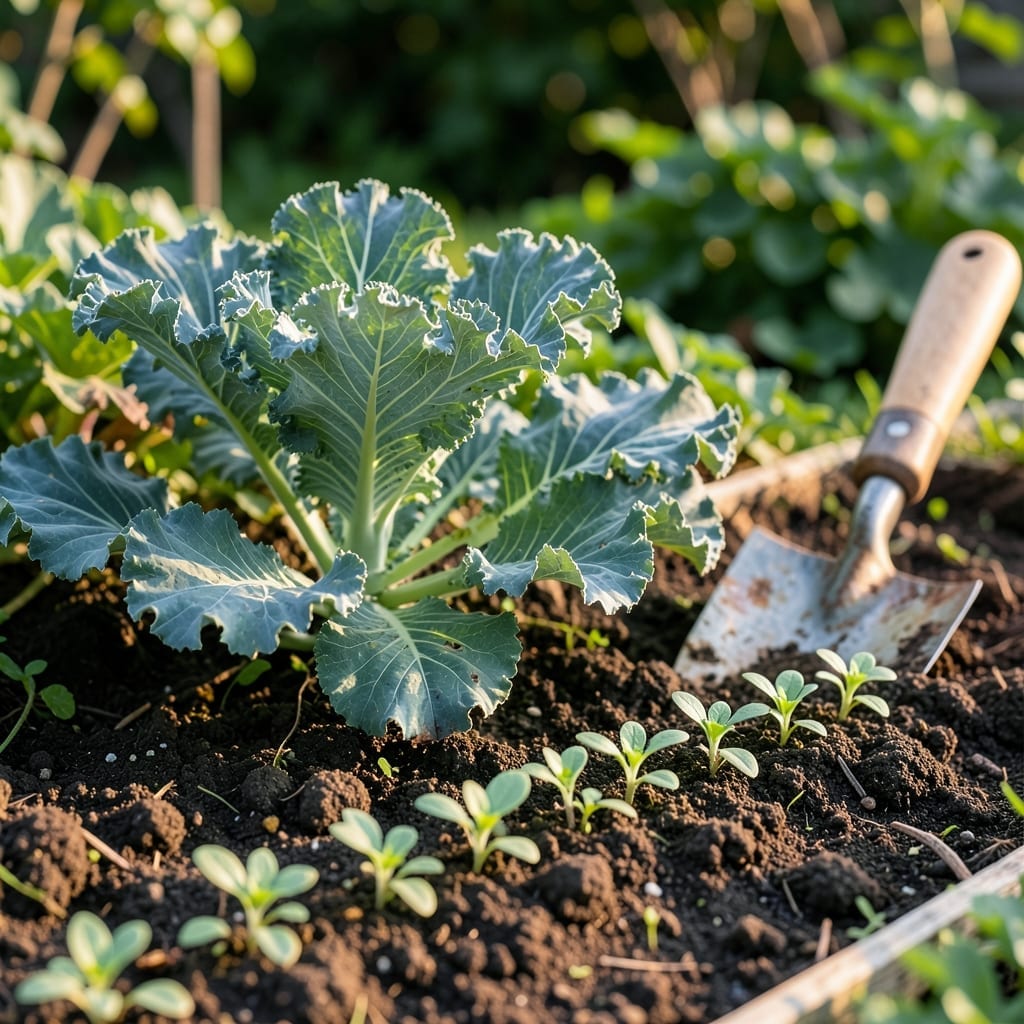
Timing your kale planting in the fall can mean the difference between bitter, tough leaves and sweet, tender harvests that thrive in cooler weather.
I’ve learned that getting this timing right is the key to a bountiful crop. The 🥬 kale plant loves the crisp autumn air, and planting it at the perfect moment ensures it matures just as the temperatures drop.
For those in Zone 6, that window is narrow but crucial. You’ll want to get those seeds or seedlings in the ground before the first frost sneaks up on you.
Discover how to nail the timing, so you can enjoy fresh, homegrown kale straight through winter.
Getting your kale planted at the right time in fall is crucial for sweet, tender leaves that thrive in cooler weather. The key is timing it so plants mature before hard frost hits but still benefit from cool temperatures that enhance flavor.
I’ve found that planting 6-8 weeks before your first expected frost gives kale enough time to establish strong roots while avoiding the bitterness that comes from heat stress or premature cold snaps.
| USDA Zone | Planting Window | First Frost Date |
|---|---|---|
| 3-4 | Late July to Early August | Mid-September |
| 5-6 | Mid to Late August | Mid-October |
| 7-8 | Early to Mid-September | Mid-November |
| 9-10 | Late September to Early October | Late November to December |
*Adjust for local microclimates and unexpected early frosts.
In cooler zones (3-4), I start seeds indoors in July to get a head start before transplanting. This ensures plants are well-established before the first frost, which can arrive as early as mid-September in some areas.
For zones 5-6, mid-to-late August is ideal. Kale loves the cool nights and mild days of early fall, which help develop its sweet, earthy flavor. Just be sure to monitor soil moisture, as fall can bring dry spells.
Gardeners in zones 7-8 can plant through mid-September. The warmer soil helps seeds germinate quickly, and the milder winters mean you can often harvest kale well into December or even beyond.
In zones 9-10, fall planting extends into October. Here, heat tolerance is less of an issue, but I recommend shade cloth for young plants if late summer heat lingers. Kale thrives in the cooler temperatures of late fall and winter.
No matter your zone, succession planting every 2-3 weeks ensures a continuous harvest. Start with early varieties like Dwarf Blue Curled for quick growth, then follow with cold-hardy types like Winterbor or Red Russian for later picks.
I always harden off seedlings before transplanting, especially in fall. The temperature swings can shock young plants, so I gradually expose them to outdoor conditions over 7-10 days for best results.
Finally, mulch heavily around your kale plants as temperatures drop. A 2-3 inch layer of straw or leaves protects roots and retains soil warmth, giving your crop a fighting chance against early frosts 🌱
I always start by testing my soil pH for kale, aiming for 6.0-7.0 to ensure sweet, tender leaves. Kale thrives in loamy, well-draining soil with plenty of organic matter, so I mix in aged compost.
For fall planting, I direct sow kale seeds about ¼ inch deep and 12-18 inches apart. If I’m short on time, I use transplants from a nursery, which gives me a head start before cooler weather.
I
If pests like cabbage worms or aphids are a problem, I use floating row covers to protect my young plants. This also helps prevent frost damage during unexpected early cold snaps.
For faster growth, I sometimes use a balanced fertilizer like 5-10-10 to give my kale a nutrient boost. But I avoid over-fertilizing, which can lead to bitter leaves instead of the sweet flavor I want.
Finally, I monitor the weather forecast closely. If a hard frost is expected, I cover my kale with frost cloth to extend the growing season and enjoy fresh harvests well into winter. 🌱