
Beautiful Plants For Your Interior
Beautiful Plants For Your Interior
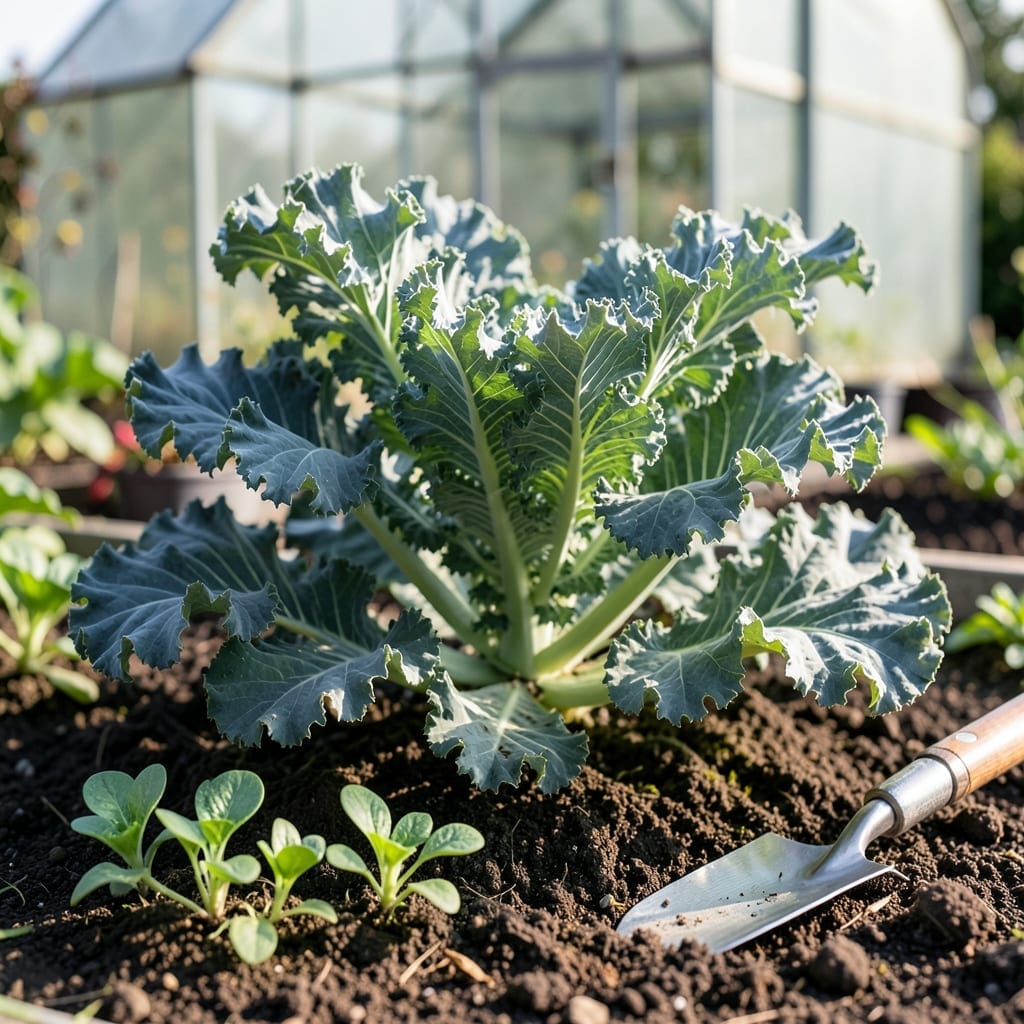
Timing is everything when planting Kale 🥬 in Pennsylvania—plant too early or too late, and you risk stunted growth or bitter leaves.
As a cool-weather crop, this leafy green thrives in specific windows. The good news? You’ve got two prime opportunities each year to get it right.
Whether you’re in zone 6a-7b or elsewhere in PA, nailing the schedule means sweeter, more tender harvests. I’ll break down exactly when to start for both spring and fall.
Discover how to align your planting with Pennsylvania’s climate for the best results, from frost dates to seasonal shifts.
Pennsylvania spans USDA zones 4 through 7, which means your exact kale planting dates depend on your specific location. I’ve found that cool-season crops like kale thrive when planted at the right time in these zones. 🌱
In zone 6a-7b, which covers much of central and southern PA, you can start spring kale as early as late February under protection or direct sow in March to early April. For fall harvests, aim for late July to early August planting. 🌿
| Zone | Spring Planting | Fall Planting |
|---|---|---|
| 4-5 | April 1-15 | July 15-30 |
| 6a-6b | March 15-April 1 | August 1-15 |
| 7a-7b | March 1-15 | August 15-30 |
Kale is frost-tolerant, so I often push the spring planting a bit earlier in zone 7. Just be ready to cover seedlings if a late frost threatens. The soil temperature should be at least 40°F for germination.
For fall planting, count backward from your first frost date. Kale needs 6-8 weeks to mature before frost hits. In Philadelphia (zone 7b), that means seeding by mid-August for a November harvest. ✂️
In northern PA (zones 4-5), the growing season is shorter. Start seeds indoors in early March for transplanting in April. For fall, direct sow by July 15 to avoid early frosts.
I always remind gardeners that kale flavor improves after a light frost. The cold temperatures sweeten the leaves, making them less bitter. That’s why fall kale is often more delicious than spring-grown. 🌡️
If you’re unsure of your exact zone, use the USDA Plant Hardiness Zone Map. For Pittsburgh (zone 6a), spring planting starts March 20, while Erie (zone 5b) should wait until April 10. Always adjust for microclimates in your yard.
Remember, succession planting works well with kale. I sow a new batch every 2-3 weeks in spring and late summer for continuous harvests. This technique ensures I have fresh kale for months, not just a single harvest.
Finally, soil preparation is key. Kale prefers well-draining soil with plenty of organic matter. I amend my beds with compost before planting and keep the soil consistently moist but not waterlogged. 💧
Both spring and fall offer great opportunities for growing kale in Pennsylvania, but each season has unique benefits. Spring planting gives you an early harvest, while fall crops often taste sweeter after a light frost.
I’ve found that fall planting tends to produce more tender leaves with fewer pest issues. However, spring planting lets you enjoy fresh greens earlier in the year.
For the best results, I start seeds indoors about 4-6 weeks before the last frost for spring. For fall, I direct sow 6-8 weeks before the first expected frost.
Pro tip: Use row covers to protect young plants from pests and extend your growing season in both spring and fall. This simple step can make a huge difference in your harvest.
Fall kale often wins for flavor, but spring planting lets you enjoy greens sooner. Consider doing both to maximize your Pennsylvania kale harvest throughout the year. ✂️
Remember that soil temperature is key—kale germinates best in 50-75°F soil. In PA, this often means waiting until late summer for fall planting.