
Beautiful Plants For Your Interior
Beautiful Plants For Your Interior
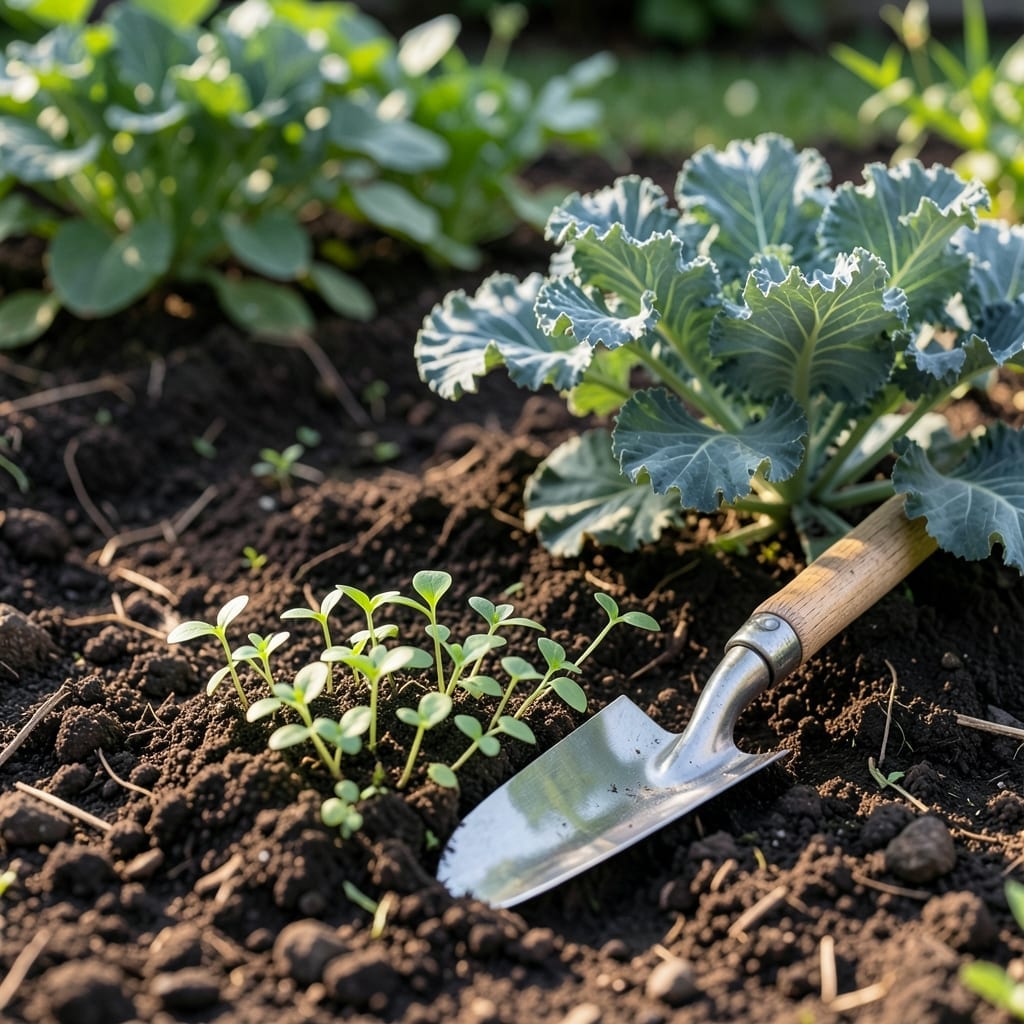
Kale thrives in Ohio’s climate, but timing your planting is everything—plant too early or too late, and you’ll miss out on this superfood’s peak flavor and growth.
Ohio’s Zone 6a weather offers two prime windows for 🥬 Kale. Whether you’re a seasoned gardener or just starting, nailing the timing means a bountiful harvest.
I’ve tested different planting schedules, and what I’ve learned can save you from common mistakes. The key is aligning with frost dates and soil conditions.
Discover how to maximize your Kale yield with the perfect spring and fall planting strategies.
Timing your kale planting in Ohio can make or break your harvest. As a Zone 6a gardener, I’ve found that spring and fall offer the best windows for this cold-hardy crop. The key is aligning with frost dates and soil readiness.
For spring, aim to plant 4-6 weeks before the last frost, typically around April 15. This gives your kale a head start before the heat sets in. Fall planting should happen 6-8 weeks before the first frost, usually by mid-August. ☀️
| Season | Planting Window | Key Consideration |
|---|---|---|
| Spring | March – April | 4-6 weeks before last frost |
| Fall | August – September | 6-8 weeks before first frost |
| Soil Temp | 40-75°F | Ideal for germination |
Spring-planted kale thrives in cool temperatures but can bolt if exposed to heat. I always monitor the soil temperature—kale seeds germinate best between 40-75°F. Use a soil thermometer to check before planting.
Fall planting often yields sweeter, tender leaves because the plants mature in cooler weather. Plus, a light frost can enhance the flavor. I’ve noticed my fall kale is more vibrant and crisp than spring harvests.
In Ohio, the last frost date is around April 15, and the first frost hits near October 15. These dates are your guideposts. Planting too early in spring risks frost damage, while late fall planting may not give your kale enough time to mature.
For succession planting, I sow new seeds every 2-3 weeks during the planting windows. This ensures a continuous harvest rather than a single flush of leaves. It’s a game-changer for keeping fresh kale on hand. 🌱
If you’re new to growing kale, start with transplants from a local nursery. They’re easier to manage and give you a head start. Just be sure to harden them off before planting outdoors to avoid shock.
Remember, kale is forgiving but not invincible. Extreme heat or cold can stress the plants. I’ve lost a few crops to unexpected temperature swings, so always have a backup plan like row covers or shade cloth. 🌿
Finally, keep your soil consistently moist but well-drained. Kale doesn’t like soggy roots, but it does need regular watering, especially during dry spells. A layer of mulch helps retain moisture and keeps the soil temperature steady.
Ohio’s weather can be a wildcard, but I’ve found that with the right strategies, you can keep your kale harvest going strong. Row covers are my go-to for shielding plants from unexpected early frosts or heavy rains. They create a microclimate that protects your crop while still allowing sunlight and water to penetrate.
For even more control, cold frames or hoop tunnels can extend your growing season by weeks. These structures trap heat during the day and retain warmth at night, which is perfect for Ohio’s chilly springs and falls. I’ve had success growing kale nearly year-round using these methods.
Another trick I swear by is succession planting. By sowing new seeds every 2-3 weeks, you ensure a steady supply of fresh kale. This works especially well in Ohio’s spring and fall, when temperatures are mild but can shift quickly.
If you’re dealing with a heatwave, don’t panic. Kale can handle a bit of warmth, but it thrives in cooler temps. I recommend providing afternoon shade with a shade cloth to keep the soil from drying out too fast. This small step can make a big difference in plant health.
For those who want to push the limits, fall planting is often the best time in Ohio. Sow seeds 6-8 weeks before the first frost, and you’ll be rewarded with sweeter, more tender leaves after a light frost. It’s like nature’s own flavor enhancer.
Finally, always keep an eye on the weather forecast. Ohio’s unpredictable swings can catch even seasoned gardeners off guard. With a little planning and these strategies, you’ll be harvesting kale long after others have called it quits for the season.
🌿