
Beautiful Plants For Your Interior
Beautiful Plants For Your Interior
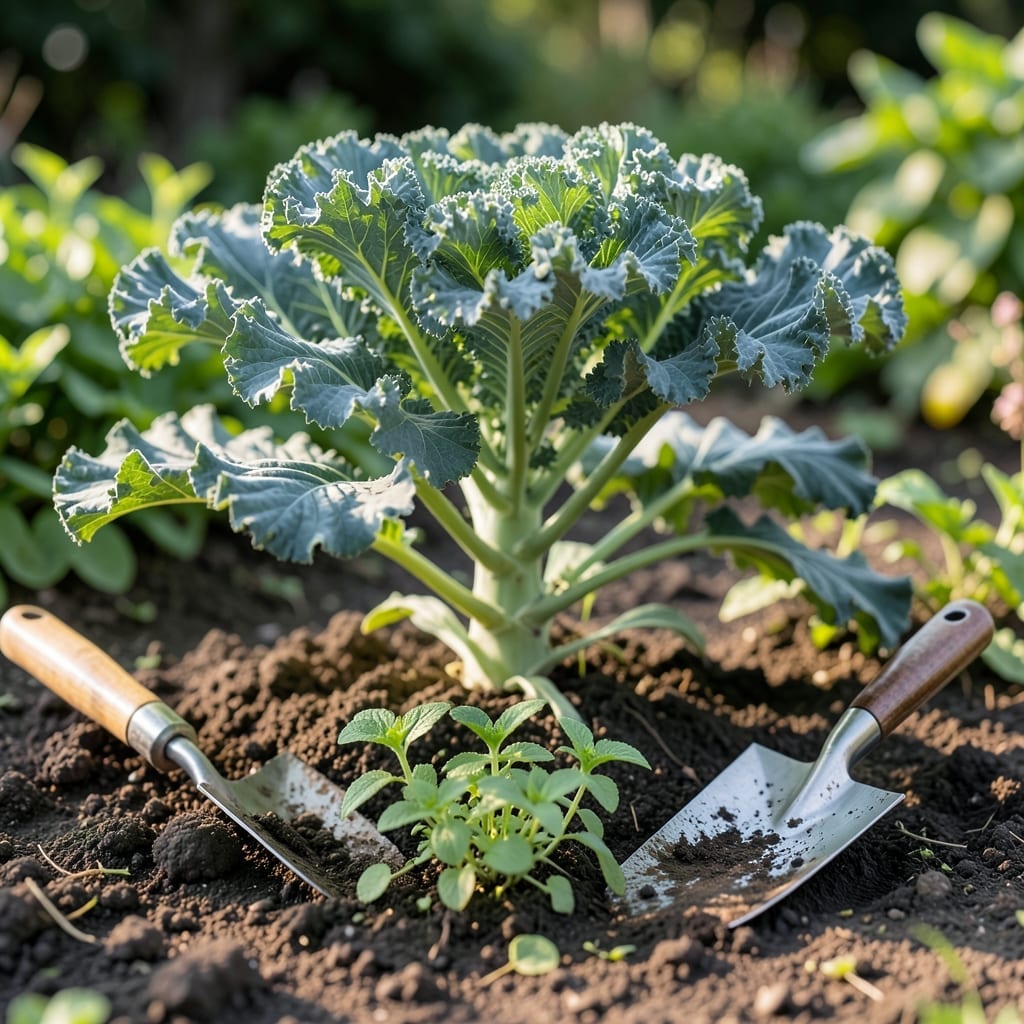
Timing is everything when growing Kale 🥬 in Northern California’s unique microclimates. Plant too early or late, and you might miss the sweetest harvests this cold-hardy green offers.
Our region’s varied zones from coastal fog to inland valleys create distinct planting opportunities. Whether you’re in Zone 9a-9b or higher elevations, there’s a perfect window for your crop.
I’ll guide you through the exact seasonal windows that work best for your specific area. You’ll discover how to time plantings for continuous harvests from fall through spring.
From frost dates to soil prep, we’ll cover all the essentials to ensure your Kale thrives. Let’s get your garden started right with these zone-specific insights.
Northern California’s diverse microclimates create unique windows for kale planting. I’ve found that timing varies dramatically between coastal fog zones and inland valleys, affecting when your plants will thrive. 🌿
The coastal regions (Zones 9-10) enjoy mild winters, allowing for near-year-round kale cultivation. Meanwhile, inland areas (Zones 7-9) experience hotter summers and cooler winters, requiring more precise timing. ☀️
| Region | USDA Zone | Spring Planting | Fall Planting | Notes |
|---|---|---|---|---|
| Coastal | 9-10 | Jan-Mar | Aug-Oct | Mild winters allow extended seasons |
| Inland | 7-9 | Feb-Apr | Sep-Oct | Avoid summer heat; use shade cloth |
| Mountain | 4-7 | Apr-May | Jul-Aug | Short season; start indoors early |
In coastal areas, I recommend starting kale seeds in January for early spring harvests. The cool, foggy summers here mean you can even plant in late summer for a winter crop. The ocean’s influence keeps temperatures stable. 🌱
For inland gardeners, the window shifts later. I’ve had best results planting in February to avoid late frosts and again in September when temperatures cool. Heat stress is a real concern, so I always use shade cloth during peak summer. ☀️
Mountain regions present the shortest growing season. I start seeds indoors in March for transplanting in April, and plant a second crop in July for fall harvest. Frost protection is essential here, as early frosts can arrive by October. 🌡️
Remember that microclimates can shift these windows. A sunny south-facing slope might allow for earlier planting, while low-lying areas may stay cooler longer. I always check my local frost dates for precision. ✂️
Soil temperature matters too. Kale seeds germinate best in 60-75°F soil. In cooler mountain areas, I use black plastic mulch to warm the soil faster in spring. This simple trick can give you a 2-week head start. 🌿
For all regions, succession planting works wonders. I sow new seeds every 2-3 weeks during the planting window to ensure a continuous harvest. This method prevents having too much kale at once while extending your season. 🌱
Lastly, don’t forget about variety selection. Lacinato and Winterbor are my top choices for Northern California. They handle our temperature swings better than other types and maintain sweetness even after light frosts. ✅
In Northern California, kale thrives with the right timing and care. I’ve found that succession planting every 2-3 weeks keeps my harvests continuous. This works especially well in our mild coastal climates.
For fall harvests, start seeds 6-8 weeks before the first frost. In inland areas, this might mean planting in late summer. The cooler weather enhances leaf sweetness and tenderness.
Coastal gardeners can often grow kale year-round, thanks to moderate temperatures. I recommend staggering plantings to avoid gluts. This way, you’ll always have fresh leaves ready for harvest.
In colder mountain regions, cold frames or greenhouses can extend the season by several weeks. I’ve had success with unheated cold frames that protect plants down to 20°F.
Don’t forget to monitor soil temperature. Kale prefers 45-75°F for germination. In summer, I start seeds indoors to avoid heat stress when transplanting.
With these strategies, you can enjoy fresh kale for up to 10 months a year in Northern California. It’s all about working with your local microclimate and adjusting as needed. 🌿