
Beautiful Plants For Your Interior
Beautiful Plants For Your Interior
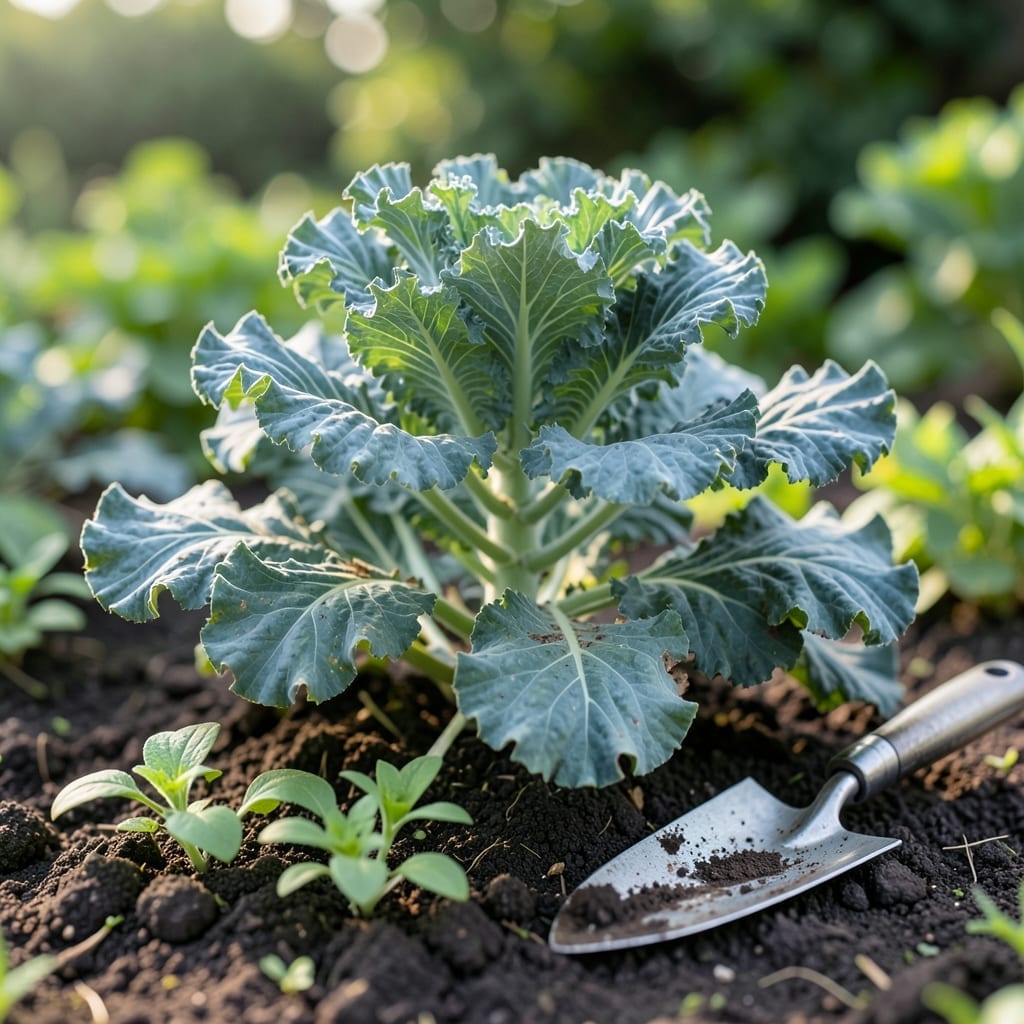
Timing is everything when it comes to planting kale 🥬 in Missouri. This cold-hardy green thrives in cooler temperatures but can struggle if sown at the wrong time.
I’ve learned that getting the timing right means the difference between a lackluster crop and a bountiful harvest. Missouri’s climate offers two ideal windows for planting.
Whether you’re a seasoned gardener or just starting out, knowing these optimal periods will set you up for success. The key is working with Missouri’s unique growing conditions.
Discover how to align your planting schedule with nature’s rhythm for the best results with your kale crop.
Missouri’s USDA zones 5-6 give gardeners two prime windows for kale planting. This cold-tolerant crop thrives when temperatures stay between 40-75°F, making spring and fall ideal.
For spring planting, I start seeds 4-6 weeks before the last frost date, which is around April 15 for most of the state. This timing lets plants establish before summer heat arrives.
| Season | Planting Window | Harvest Time |
|---|---|---|
| Spring | Feb-April | April-June |
| Fall | Aug-Sept | Oct-Nov |
In northern Missouri, I’ve found that late February to early March works best for spring crops. The soil is still cool, which prevents bolting and encourages sweet, tender leaves.
For fall planting, I direct-sow seeds 6-8 weeks before the first frost, typically around October 15. This gives plants time to mature before winter’s deep freeze.
Southern Missouri gardeners can push these dates slightly earlier in spring and later in fall due to their milder climate. I always check my local frost dates for precision.
Kale tolerates light frost, and I’ve noticed it often tastes sweeter after a cold snap. For continuous harvests, I use succession planting, sowing new seeds every 2-3 weeks through early fall.
Soil temperature matters too. Kale seeds germinate best at 60-65°F, so I use a soil thermometer to check conditions before planting. If the soil is too cold, I start seeds indoors.
Remember that moisture consistency is key during germination. I keep the soil evenly damp but not waterlogged to prevent rot. A light mulch helps retain moisture and regulate soil temperature.
For the best results, I choose cold-hardy varieties like Winterbor or Lacinato, which handle Missouri’s temperature swings beautifully. These types often survive light freezes with protection.
By following these seasonal guidelines, I consistently get healthy kale plants that produce abundant leaves for fresh eating throughout the growing season. ☀️
I’ve found that succession planting is the secret to enjoying kale all season long in Missouri. This method involves planting new seeds in staggered intervals to ensure a continuous harvest.
For spring crops, I sow the first batch in early March, then follow up with new plantings every 2-3 weeks until mid-April. This approach keeps my garden producing as the weather warms.
In fall, I begin my succession plantings in late July and continue through early September. The key is giving each batch enough time to mature before the first frost hits around October 15.
I always choose fast-maturing varieties like Red Russian or Dwarf Blue Curled for succession planting. These types reach harvest size in 30-40 days, perfect for quick turnarounds.
Soil preparation is crucial between plantings. I amend the soil with compost and ensure it stays consistently moist but well-drained. A balanced fertilizer helps replenish nutrients for the next batch.
For the best results, I keep a garden journal to track planting dates and harvest times. This helps me refine my schedule each year based on Missouri’s unpredictable weather patterns. 🌱