
Beautiful Plants For Your Interior
Beautiful Plants For Your Interior
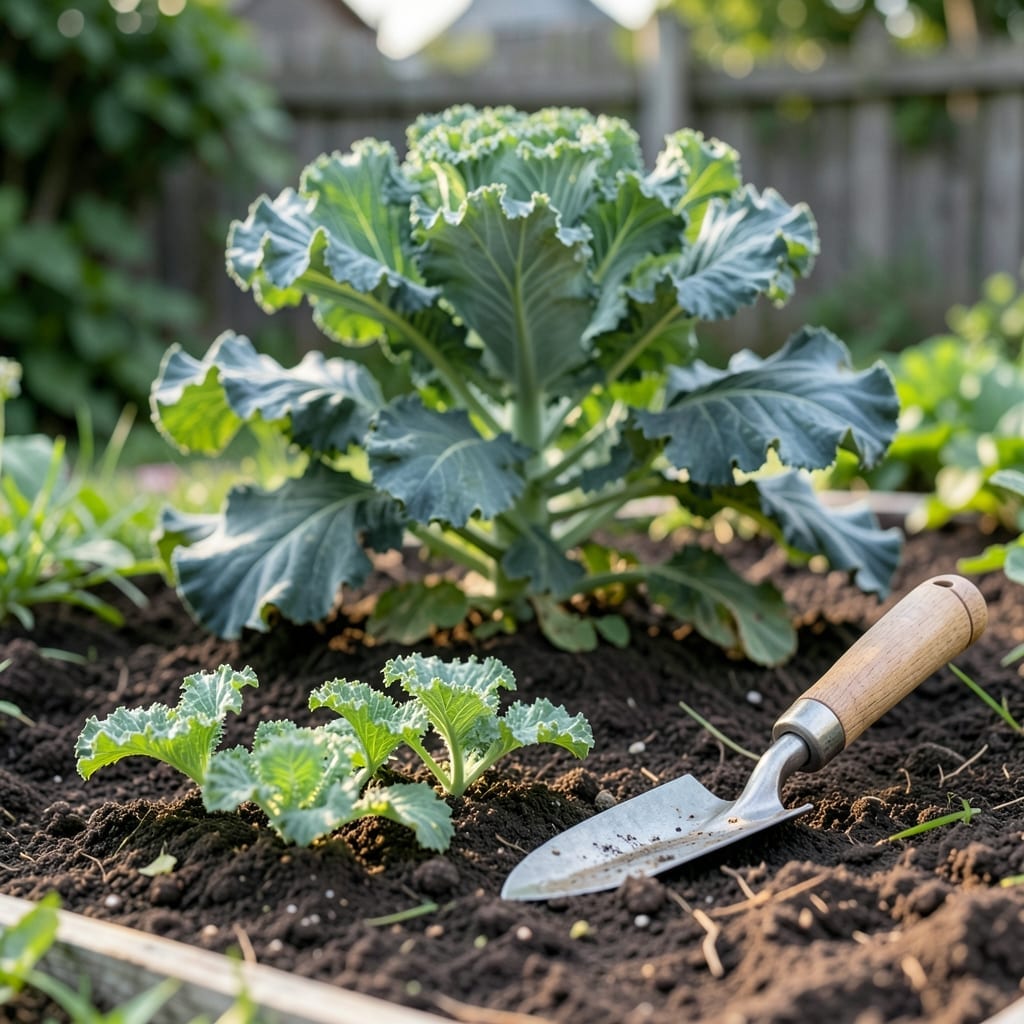
Timing is everything when it comes to growing Kale 🥬 in Massachusetts. Plant too early or too late, and you risk stunted growth or bolted leaves.
But get it right, and you’ll enjoy sweet, tender harvests from spring through winter. The key is knowing your 5b-7a zone’s unique rhythm.
I’ve learned the hard way that March and August offer the perfect windows for planting. These moments align with nature’s schedule, not ours.
Let me share the exact timing and techniques that transformed my kale from struggling to thriving. You’ll be amazed at the difference.
Massachusetts spans USDA zones 5b to 7a, which means your kale planting dates vary slightly by region. In zone 5b (western MA), spring planting starts late March to early April. Zone 7a (coastal areas) allows for earlier starts in mid-March.
For fall planting, aim 6-8 weeks before your first frost. In most of MA, that means sowing seeds from mid-August to early September. Kale thrives in cool weather and tolerates light frosts, making it perfect for extended harvests.
| Zone | Spring Planting | Fall Planting | Notes |
|---|---|---|---|
| 5b | Late March – Early April | Mid-August | Coldest MA zone |
| 6a-6b | Mid-March – Early April | Late August | Central MA |
| 7a | Early March | Early September | Coastal areas |
I always check my local frost dates for precision. The last spring frost in most of MA is around April 15, but coastal areas may see it a week earlier. For fall, the first frost typically hits October 15-30, depending on your zone.
Microclimates matter too. If you’re near the coast, your milder temperatures allow for earlier planting. Inland gardeners should wait until soil temps reach 40°F for spring planting. I use a soil thermometer to be sure.
For spring kale, I start seeds indoors 4-6 weeks before transplanting outdoors. This gives them a head start. In fall, direct sowing works well because the soil is still warm, aiding quick germination.
Kale’s frost tolerance is legendary—it actually gets sweeter after frost. I’ve harvested tender leaves well into December in protected spots. Just be sure to mulch heavily as temperatures drop.
In zone 5b, I protect young plants with row covers if late frosts threaten. In zone 7a, I can often skip this step. The key is monitoring weather and being ready to adapt.
Don’t forget soil preparation. Kale loves well-draining soil rich in organic matter. I amend my beds with compost before planting. A pH of 6.0-7.0 is ideal for best growth.
For the longest harvest window, I practice succession planting. I sow new seeds every 2-3 weeks from March through September. This ensures a continuous supply of fresh leaves.
🌱I’ve found that spring kale tends to be milder in flavor, while fall-planted kale develops a sweeter, richer taste after frost exposure. This is because cooler temperatures enhance sugar production in the leaves.
Pest pressure also differs between seasons. In spring, watch for cabbage worms and aphids. Fall plantings often face fewer pests, though slugs can still be an issue in damp conditions.
| Factor | Spring Planting | Fall Planting |
|---|---|---|
| Flavor | Mild, fresh | Sweeter, richer |
| Pest Risk | Moderate (cabbage worms) | Lower (fewer pests) |
| Yield | Good, but may bolt | High, extended harvest |
For spring planting, I start seeds indoors in early March and transplant when soil reaches 40°F. This gives me a head start before the heat of summer causes bolting.
Fall planting is my favorite because it’s so forgiving. I direct sow seeds in late August and often get multiple harvests before winter. The plants grow slowly in cool weather, producing tender leaves for months.
I use succession planting for both seasons. In spring, I sow new seeds every 2-3 weeks until early May. For fall, I start in mid-August and continue through early September.
Remember, fall kale can survive light frosts, but hard freezes will kill it. I extend my harvest by covering plants with row fabric when temperatures drop below 25°F. This simple step can give me extra weeks of fresh greens. 🌱