
Beautiful Plants For Your Interior
Beautiful Plants For Your Interior
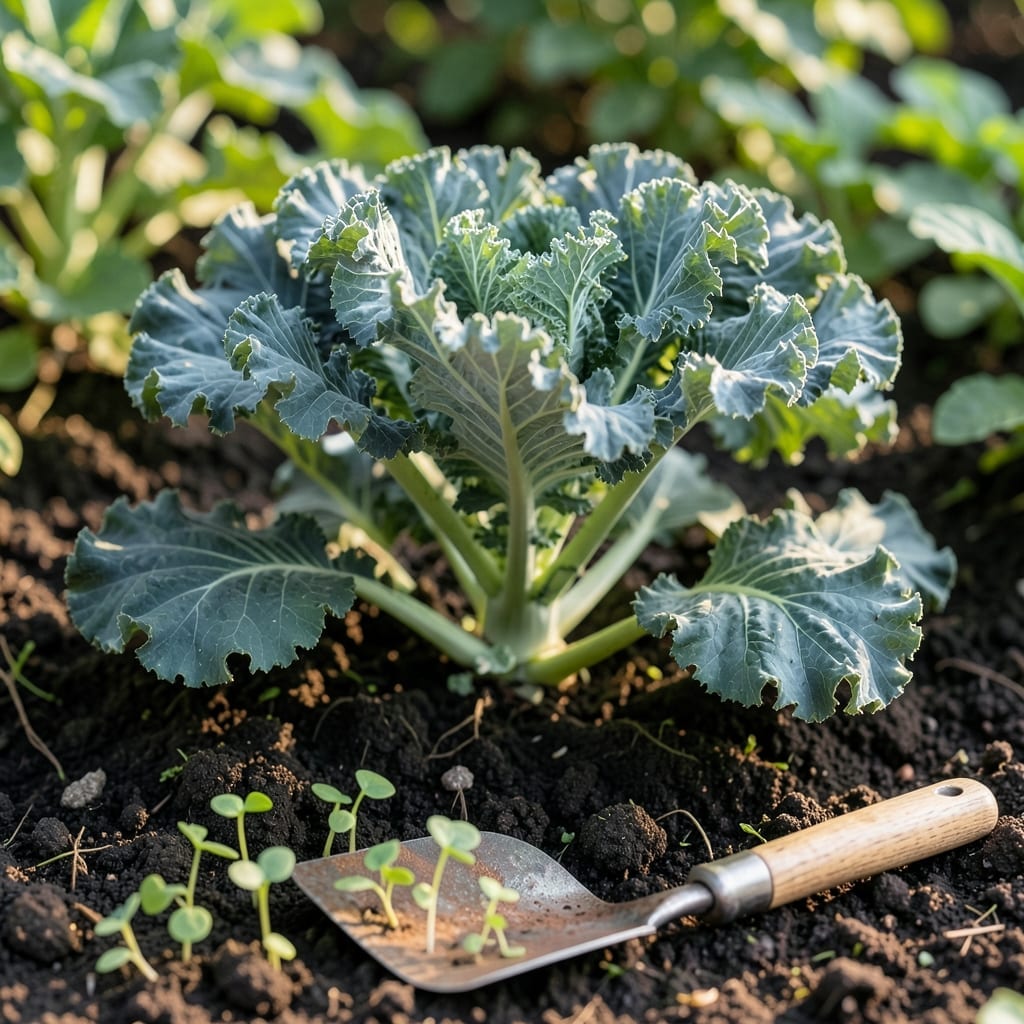
Timing is everything when growing Kale in Alabama’s unique climate. Plant too early or too late, and you risk bitter leaves or stunted growth.
But hit the sweet spot, and you’ll enjoy tender, flavorful harvests for months. I’ve learned that Alabama’s 7b-8a zones offer two perfect windows for planting this hardy green.
Whether you’re a seasoned gardener or just starting out, knowing these optimal times can make all the difference. The fall season especially brings out the best in 🥬.
Discover how to align your planting schedule with Alabama’s climate for the most delicious results. Let’s dig in.
Alabama’s diverse climate means kale planting times vary by region. In northern Alabama, aim for late August to early September for fall crops and late February to early March for spring harvests. The cooler temperatures help prevent bolting and enhance sweetness. 🌱
The central region follows a similar schedule but can push fall planting to mid-September. Spring plantings here should start in early February to avoid late frosts. Always check your local frost dates for precision. 🌿
| Region | Fall Planting | Spring Planting | Key Notes |
|---|---|---|---|
| Northern Alabama | Late August–Early September | Late February–Early March | First frost: November 15 |
| Central Alabama | Early–Mid September | Early–Mid February | Last frost: March 15 |
| Southern Alabama | Mid–Late September | Mid–Late January | Milder winters, longer growing season |
In southern Alabama, the warmer climate allows for later fall plantings (mid to late September) and earlier spring starts (mid to late January). The longer growing season here gives you more flexibility. Just watch for heatwaves that can stress young plants. ✂️
For optimal results, I always prepare the soil first. Kale thrives in well-draining, fertile soil with a pH of 6.0–7.0. Mix in compost or aged manure before planting to boost nutrient content. This step ensures strong root development and healthier plants. 🪴
If you’re direct sowing seeds, plant them ¼ to ½ inch deep and 12–18 inches apart. For transplants, space them 18–24 inches apart to allow for air circulation. This spacing helps prevent fungal diseases like powdery mildew. ☀️
Remember, kale is frost-tolerant, and a light frost can even improve its flavor. In northern Alabama, protect young plants with row covers if an early frost is forecasted. In the south, shade cloth can help during unexpected heat spikes. 💧
For spring plantings, start seeds indoors 4–6 weeks before your last frost date. This gives them a head start and ensures they’re ready to transplant when the soil warms. Harden off seedlings by gradually exposing them to outdoor conditions. 🌱
Watering consistently is key, especially during dry spells. Kale needs 1–1.5 inches of water per week. Use drip irrigation or a soaker hose to keep the foliage dry and reduce the risk of disease. Morning watering is ideal. 🌿
Finally, mulch around plants with straw or shredded leaves to retain moisture and suppress weeds. This also helps regulate soil temperature, keeping roots cool in summer and warm in winter. A little effort here goes a long way! 🪴
Alabama’s humid subtropical climate creates unique challenges for kale cultivation. The heat and humidity of summer can cause bitter leaves and bolting, while cold snaps in winter can sweeten the flavor. 🌱
I’ve found that cool temperatures between 60–70°F produce the sweetest, most tender kale. Alabama’s fall and early spring seasons are perfect for this, as they avoid the extreme heat that stresses plants. 🌿
Key Takeaway
Alabama’s fall planting (Aug–Oct) yields the sweetest kale due to cooler nights and reduced bolting risk.
In northern Alabama, the first frost around November 15 signals it’s time to harvest or protect your kale. The cold temperatures can enhance flavor, but prolonged freezes may damage leaves. Use row covers to extend the season. ✂️
For southern Alabama, the milder winters allow for longer growing seasons. However, unexpected heatwaves can still stress plants. I recommend shade cloth during peak afternoon sun to prevent wilting. ☀️
Humidity is another factor to watch. High moisture levels can lead to fungal diseases like powdery mildew. To combat this, space plants properly and water at the base to keep foliage dry. Morning watering is ideal. 💧
If you’re growing kale in central Alabama, the transition between seasons can be tricky. I’ve had success by planting in late summer for a fall harvest and again in early spring for a second crop. This dual approach maximizes your yield. 🪴
Finally, soil moisture is critical. Alabama’s clay-heavy soils can retain too much water, so amending with compost or sand improves drainage. This prevents root rot and keeps plants healthy. 🌿