
Beautiful Plants For Your Interior
Beautiful Plants For Your Interior
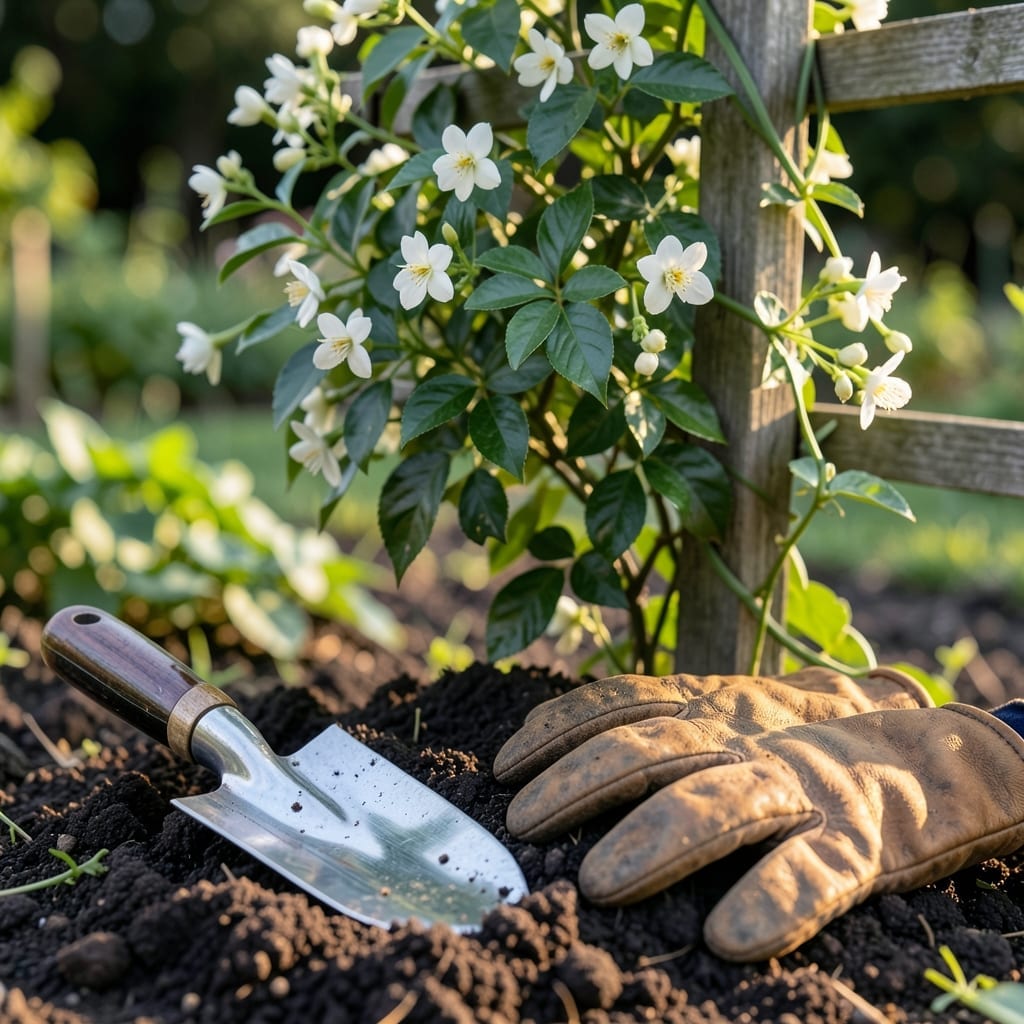
Timing is everything when planting Jasmine in Arizona’s extreme climate—plant too early or too late, and your fragrant vines may struggle to survive.
The desert’s intense heat and unpredictable frost can make or break your gardening success. I’ve learned the hard way that getting this right means the difference between thriving 🌸 blooms and a sad, wilted mess.
Luckily, there’s a sweet spot that works perfectly for our unique 9b zone. You’ll want to aim for a window that avoids both the harsh summer and any lingering winter chills.
Discover the exact months to plant and how to set your Jasmine up for success in Arizona’s challenging but rewarding landscape.
Planting jasmine in Arizona requires perfect timing to beat the intense heat and frost risks. The state’s low desert and high desert zones demand different approaches for success.
In Phoenix and Tucson, the ideal window is February through April. This avoids summer scorching and winter freezes that can stress young plants.
| Location | Best Months | Key Consideration |
| Phoenix (Low Desert) | Feb–Apr | Avoid 100°F+ summers |
| Tucson (Low Desert) | Feb–Apr | Monsoon prep by May |
| Flagstaff (High Desert) | May–June | Wait for frost to pass |
For Flagstaff’s high desert, wait until May or June when frost danger has fully passed. The cooler nights here mean jasmine needs warmer soil to establish roots.
Confederate Jasmine thrives in Arizona’s low desert, tolerating heat up to 110°F once established. Plant it in early spring for best root development before summer.
Asian Jasmine prefers partial shade in Arizona. It’s drought-tolerant but needs consistent moisture the first year. March planting gives it a head start.
Always check your local frost dates. In USDA Zone 9b, the last frost is typically February 15, but microclimates can shift this by weeks.
Soil prep is critical. Amend with compost and ensure good drainage to prevent root rot in Arizona’s clay-heavy soils. A raised bed can help in poor-draining areas.
After planting, mulch heavily with organic material to retain moisture and regulate soil temperature. This is non-negotiable in Arizona’s extreme temperature swings.
Remember, afternoon shade is a lifesaver for jasmine in Arizona summers. Even heat-tolerant varieties will scorch without protection from the 3 PM sun.
With the right timing and care, your jasmine will reward you with fragrant blooms and lush growth despite the desert challenges 🌿
Not all jasmine varieties thrive equally in Arizona’s desert. Choosing the right type for your climate zone is half the battle for healthy growth and fragrant blooms.
Confederate Jasmine (Trachelospermum jasminoides) is the top pick for low desert areas like Phoenix. It handles 110°F heat and needs full sun to partial shade.
Asian Jasmine (Trachelospermum asiaticum) prefers partial shade and moist soil. It’s drought-tolerant once established but needs consistent watering the first year in Arizona’s dry climate.
For high desert areas like Flagstaff, Spanish Jasmine can work if planted in sheltered spots. It’s less heat-tolerant but handles cooler nights better than other varieties.
Each variety has unique soil needs. Confederate Jasmine thrives in well-draining soil with compost amendments. Asian Jasmine prefers slightly acidic to neutral pH.
Ground cover or climbing vine? Asian Jasmine spreads low, while Confederate Jasmine climbs trellises beautifully. Choose based on your landscape goals.
No matter the type, morning sun and afternoon shade are key in Arizona summers. Even the hardiest jasmine will struggle in peak heat without protection 🌻